VOCs
- โชว์สินค้าทั้งหมด
- No categories
May 13, 2026
Volatile Organic Compounds (VOCs): What They Are, Why They Matter, and How to Measure Them
The Invisible Chemicals Around Us
They’re in the paint on your walls, the fuel in your car, the cleaning products under your sink — and quite possibly, the air you’re breathing right now. Volatile Organic Compounds (VOCs) are a family of chemicals so pervasive that most people encounter them daily without realizing it.
VOCs are liquid or solid chemical compounds with low boiling points, meaning they evaporate easily at room temperature and enter the air we breathe. While some are relatively harmless, others pose serious risks to human health and the environment — making accurate detection, measurement, and control essential for industries, regulators, and communities alike.
Meet the Key Players: Common Types of VOCs
Benzene
A colorless aromatic hydrocarbon found in petrol, diesel, paints, and solvents. Benzene is classified as a known human carcinogen, with established links to leukemia and damage to the nervous system. Even low-level, long-term exposure carries significant health risks.
Formaldehyde
A colorless, pungent gas that dissolves readily in water. Widely used in wood-based manufacturing (plywood, particleboard) and household cleaning products, formaldehyde causes respiratory irritation, eye and skin reactions, and is associated with increased cancer risk with prolonged exposure.
Toluene
A benzene-like hydrocarbon with an added methyl group, found in petrol, solvents, and paints. Exposure to toluene can cause dizziness, headaches, and neurological impairment — particularly in poorly ventilated environments.
Xylene
A hydrocarbon with two methyl groups, used extensively in paint production, solvents, and fuels. Xylene exposure affects the eyes, respiratory system, and nervous system, and can be especially hazardous in occupational settings.
Where Do VOCs Come From?
VOC emissions come from a surprisingly wide range of sources — both natural and human-made:
Natural Sources
Decomposing organic matter — When plants and animals break down, bacteria release VOCs such as methane and ethylene as byproducts
Natural seepage — Petroleum deposits and geothermal activity can release VOCs naturally into the atmosphere
Combustion Sources
Industrial fuel burning — Power generation, manufacturing facilities, and industrial boilers burning oil, coal, or gas release significant VOC emissions
Vehicle exhaust — Fossil fuel-powered vehicles are a major source of urban VOC pollution, contributing to smog formation and air quality degradation
Industrial Sources
Manufacturing processes — Production of paints, solvents, rubber, plastics, and specialty chemicals involves extensive use of VOCs
Industrial operations — Equipment cleaning, maintenance, and chemical handling all generate VOC releases that must be carefully managed
Everyday Sources
Household products — Wall paints, cleaning agents, bleaches, fuels, and dry-cleaning fluids all contain VOCs that off-gas into indoor air
Home appliances — Printers, air conditioners, and other devices can emit low levels of VOCs during operation
The Health Impact: What VOC Exposure Does to the Body
Table
Health Effect
Symptoms & Consequences
️ Irritation
Eye, nose, and throat irritation — often the first sign of exposure
Respiratory problems
Breathing difficulties, airway constriction, worsening of asthma
Neurological effects
Dizziness, confusion, insomnia, and memory impairment
⚠️ Cancer risk
Certain VOCs (notably benzene) are classified carcinogens with documented links to leukemia
Environmental Consequences: Beyond Human Health
VOCs don’t just affect people — they damage the world around us:
Air Quality
VOCs react with nitrogen oxides in sunlight to form photochemical smog — the hazy, harmful air pollution common in urban areas. This ground-level ozone damages respiratory systems and reduces visibility.
Water Quality
When VOCs enter water bodies through spills or runoff, they become toxic to aquatic life — disrupting ecosystems and contaminating drinking water sources.
Soil Quality
VOCs that leach into soil inhibit plant growth and degrade soil health, with long-term consequences for agriculture and natural ecosystems in contaminated areas.
Controlling VOC Emissions: A Multi-Layer Approach
1. Standards and Legislation
Thailand has established regulatory limits for key VOCs in ambient air — for example:
Benzene: ≤ 1.7 µg/m³ annually
Vinyl Chloride: ≤ 10 µg/m³ annually
The Pollution Control Department enforces industry-specific VOC emission limits, backed by legally binding regulations.
2. Monitoring and Reporting
Continuous air quality monitoring in high-risk zones — near industrial facilities and fuel storage sites — tracks VOC levels in real time
Industry self-auditing ensures ongoing compliance and transparency in emissions reporting
⚙️ 3. Source Control
Vapor recovery systems at fuel storage facilities and service stations capture VOC emissions before they escape into the atmosphere
Process optimization in manufacturing reduces VOC usage and improves efficiency — achieving the same output with lower chemical inputs
4. Public Awareness and Participation
Community education on VOC risks and safe product use empowers people to reduce personal exposure
Environmental governance frameworks that include public participation create shared accountability for air quality in communities
How VOCs Are Measured: The Science of Detection
Accurate VOC measurement is the foundation of effective control — and the methods vary depending on whether you’re testing air, water, or soil.
VOC Measurement in Air
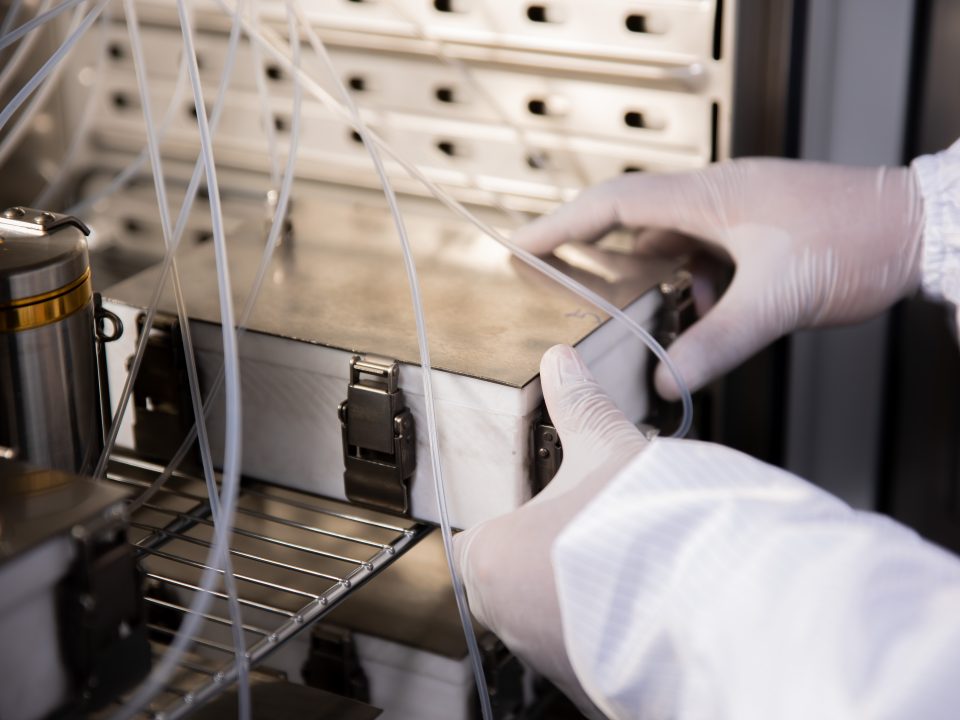
Sample Collection Air samples are collected using adsorption tubes or continuous sampling systems, where VOCs are captured at low temperatures onto an adsorbent material for later analysis.
Key Technologies:
Table
Technology
How It Works
PID (Photoionization Detector)
Uses a UV lamp to ionize organic gases, enabling rapid real-time concentration measurements in the field
GC-MS (Gas Chromatography–Mass Spectrometry)
Separates and identifies individual VOC compounds with high precision — the gold standard for laboratory air analysis
Result: Real-time concentration data that enables immediate response to pollution events and supports regulatory compliance monitoring.
VOC Measurement in Water
Sample Collection Water samples are collected in sealed, airtight containers to prevent evaporation during transport to the laboratory — a critical step that preserves sample integrity.
Key Technologies:
Table
Technology
How It Works
GC-MS
Analyzes VOCs in water after sample preparation (e.g., salting out to concentrate compounds) for precise identification and quantification
HSGC (Headspace Gas Chromatography)
Forces dissolved VOCs to volatilize into the headspace above the sample, then analyzes the vapor — ideal for water matrices
Result: Accurate VOC concentration data essential for drinking water safety assessments and environmental compliance monitoring.
VOC Measurement in Soil
Sample Collection Soil samples are collected from multiple locations and sealed immediately in airtight containers to minimize VOC loss through evaporation — maintaining the reliability of results.
Key Technologies:
Table
Technology
How It Works
SPE (Solid Phase Extraction)
Isolates and purifies VOC compounds from the soil matrix before analysis
GC-MS
Identifies and quantifies VOC contaminants in soil with high sensitivity and specificity
Result: Soil VOC data enables comprehensive environmental risk assessment — particularly critical for sites with a history of industrial activity, fuel spills, or chemical contamination.
Why Professional VOC Analysis Matters
Whether you’re an industrial operator managing emissions compliance, an environmental consultant assessing a contaminated site, or a manufacturer verifying product safety, accurate VOC analysis requires both sophisticated instrumentation and experienced scientific interpretation.
The consequences of getting it wrong — regulatory penalties, health liabilities, environmental damage — are far greater than the cost of getting it right.
ALS Testing Services (Thailand) Co., Ltd. _ Your VOC Analysis Partner
ALS Testing Services (Thailand) Co., Ltd. provides comprehensive VOC analysis across air, water, and soil matrices — powered by advanced analytical technology and a team of experienced specialists.
Our capabilities include:
✅ GC-MS analysis for precise VOC identification and quantification
✅ Headspace GC for liquid and water-phase VOC testing
✅ Field and laboratory sampling support
✅ Results delivered to international standards with full technical interpretation
Tel: +(66) 2700 9665
Email: pathumthani@alsglobal.com
From regulatory compliance to product safety verification — contact ALS Testing today for VOC analysis you can rely on.
Read moreMay 6, 2026
ESG Is No Longer Just a Trend — It Is a Business Imperative
Environmental, Social, and Governance (ESG) reporting has moved from a voluntary best practice to a core business requirement. Investors, regulators, customers, and the public now expect organizations to back their sustainability claims with data that can actually be verified.
For industrial organizations, one of the most critical — and often underestimated — environmental indicators is Volatile Organic Compounds (VOCs). These invisible chemical compounds touch all three pillars of ESG, making accurate VOCs analysis far more than a technical exercise.
What Are VOCs — and Why Do They Matter for ESG?
Volatile Organic Compounds (VOCs) are chemicals that evaporate easily at room temperature. They are released during manufacturing processes, fuel combustion, and a wide range of industrial activities — often without being seen or smelled until concentrations reach harmful levels.
Their relevance to ESG spans all three dimensions:
Table
ESG Pillar
How VOCs Connect
Environment
VOCs monitoring reflects how effectively an organization controls its air emissions and environmental impact
Social
Exposure to VOCs directly affects worker health and safety — a core social responsibility
Governance
Accurate, traceable VOCs reporting demonstrates organizational transparency and accountability
VOCs data is not just a technical concentration value. It is evidence of how seriously an organization takes its responsibility to people and the planet.
Accuracy Is Everything — Here Is Why
Getting VOCs analysis right requires two things working together: proper sample collection and laboratory-grade analysis.
Portable field instruments like PID detectors are useful for quick, on-site readings — but they cannot identify specific compounds or produce the defensible results required for formal ESG reporting.
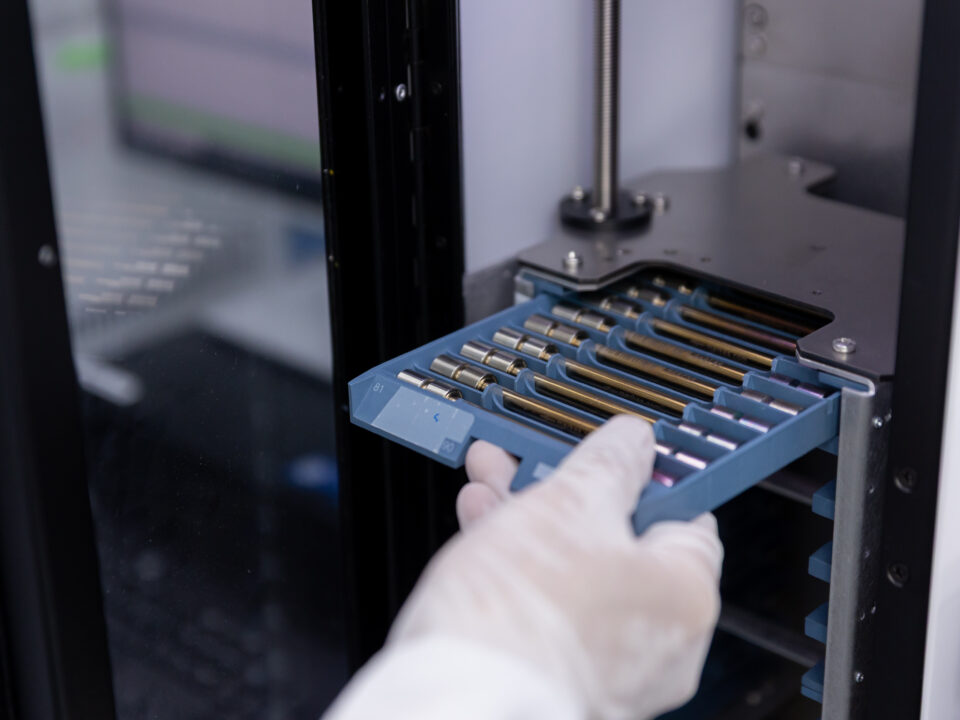
For that, laboratory analysis is essential. The most widely used technologies include:
GC-MS (Gas Chromatography–Mass Spectrometry) — the gold standard for identifying and quantifying individual VOC compounds with precision
HSGC (Headspace Gas Chromatography) — optimized for analyzing VOCs in water samples
SPE (Solid Phase Extraction) — used to prepare soil and water samples before GC-MS analysis
But technology alone is not enough. The accuracy of results also depends on:
How samples are collected and preserved
The chain of custody maintained during transport
The laboratory’s internal quality control systems
Weak processes at any of these stages can produce misleading data — and in an ESG context, misleading data carries real consequences.
VOCs Across Three Environmental Media
VOCs do not stay in one place. They migrate through air, water, and soil — which means effective monitoring requires a tailored approach for each medium.
️ Air
Air samples are collected using sorbent tubes or continuous sampling methods, then analyzed by GC-MS to identify specific compounds and concentrations. VOCs air monitoring is essential for:
Controlling workplace air quality
Assessing emission levels in and around industrial facilities
Meeting occupational health and environmental regulations
Water
Because VOCs evaporate rapidly, water sampling demands airtight containers and careful handling to prevent loss before analysis. Using HSGC combined with GC-MS delivers precise results critical for:
Evaluating water quality near industrial sites
Assessing safety for consumption or discharge
Supporting environmental impact assessments
Soil
In areas with a history of industrial activity, multi-point soil sampling ensures comprehensive coverage. Samples undergo SPE preparation before GC-MS analysis, providing data essential for:
Long-term environmental risk assessment
Contamination source identification
Regulatory compliance and site remediation planning
The Laboratory’s Role in Building ESG Credibility
In the ESG framework — particularly under Environment and Governance — environmental data must be both accurate and traceable. This is where the laboratory becomes a strategic partner, not just a service provider.
A credible accredited laboratory delivers:
✅ Rigorous quality control at every stage of analysis ✅ Calibrated instruments maintained to international standards ✅ Systematic documentation that creates a clear audit trail ✅ Results that hold up — whether submitted to regulators, included in ESG reports, or shared with investors and partners
When VOCs data comes from a reliable, accredited source, it transforms from raw numbers into verifiable proof of environmental stewardship.
Data That Means Something
In the age of ESG, the numbers in your sustainability report are scrutinized more carefully than ever. They need to be:
Accurate — reflecting what is actually happening in your operations
Traceable — supported by documented methodology and chain of custody
Credible — produced by laboratories recognized locally and internationally
A concentration value is just a number. Verifiable, well-documented VOCs data is evidence — of accountability, of transparency, and of a genuine commitment to sustainability.
Organizations that invest in rigorous VOCs analysis are not just checking a compliance box. They are building the data foundation that ESG credibility requires.
Learn more about VOCs analysis services: www.alstesting.co.th/volatile-organic-compounds-vocs
Read moreMay 6, 2026
The Invisible Threat in Every Factory
Dust.
Fumes.
Chemical vapors.
They are present in nearly every manufacturing environment — and most of the time, you cannot see them.
As air pollution and industrial health concerns grow globally, workplace safety is no longer just a regulatory checkbox. Employees, business owners, and the public are paying closer attention to what workers breathe every day. Regulations are tightening. Standards are rising. And for good reason.
In many production processes, the real danger is not the accident you can see — it is the hazard you cannot.
Vapors released from solvents, paints, and adhesives
Fine dust and particles generated from grinding, cutting, or friction
Invisible residues and contaminants that accumulate on work surfaces over time
None of these cause immediate, dramatic symptoms. But prolonged exposure quietly damages the respiratory system, the nervous system, and overall health — often before anyone realizes there is a problem.
Factories that want to grow sustainably need tools that make these invisible risks visible. That is exactly what VOCs testing and FT-IR analysis are designed to do.
Two Tests, One Powerful Combination
VOCs Testing — What Is in the Air?
VOCs (Volatile Organic Compounds) testing measures the concentration of airborne organic chemicals in the workplace — production floors, enclosed processing areas, and anywhere chemical use is involved.
The results give factories clear, actionable intelligence:
Which areas carry the highest inhalation risk
When contamination levels spike above safe thresholds
Where to improve ventilation or adjust processes
Perhaps most importantly, having real numbers eliminates uncertainty. When employees ask “Is the air here safe?”, management can answer with data — not reassurances.
FT-IR Analysis — What Is That Dust?
FT-IR (Fourier Transform Infrared Spectroscopy) takes a different but equally important angle. Rather than measuring air quality, it identifies the chemical identity of solid particles, residues, and contamination found in the workplace.
FT-IR works by analyzing how a material absorbs infrared light — producing a unique chemical “fingerprint” for each substance. Even from a tiny sample, or from dust invisible to the naked eye, FT-IR can accurately identify:
Plastics, rubber, and resins
Fibers and polymer materials
Chemical residues and unknown contaminants
Knowing exactly what the dust is allows factories to:
Pinpoint the true source of contamination
Adjust production processes or switch to safer materials
Reduce product defects and production waste
Better Together
VOCs and FT-IR are highly effective individually — but together, they provide a complete picture.
Table
VOCs Testing
FT-IR Analysis
Focus
Air quality
Particle & residue identity
Answers
What are workers breathing?
What is this dust or contaminant?
Key Benefit
Health risk assessment
Root cause identification
When used in combination, factories gain insight into both the air their people breathe and the materials their processes produce — enabling smarter, more targeted improvements across health, safety, and production quality.
Long-Term Benefits That Go Beyond Compliance
Better Production Quality
When you know exactly where contamination comes from, you can control it. Fewer defects. More consistent output. Greater confidence from customers and partners.
Lower Operating Costs
Solving problems with precise data eliminates costly guesswork — less rework, fewer unplanned line stoppages, and less wasted raw material.
A Workforce That Trusts You
When employees see that air quality and contamination are being actively monitored, they feel valued — not overlooked. That trust translates into stronger engagement, fewer grievances, and lower turnover over time.
Audit-Ready, Every Day
VOCs and FT-IR results serve as verifiable, scientific documentation of systematic risk management — whether facing regulatory inspections, occupational health audits, or assessments from business partners and clients.
From Invisible Risk to Informed Action — with ALS Testing
Creating a truly safe workplace is not a one-time exercise. It is an ongoing commitment built on reliable data.
By combining VOCs and FT-IR testing, factories can transform hidden risks into actionable insights — enabling precise adjustments to ventilation systems, material choices, and work procedures that protect both people and processes.
ALS Testing — a globally accredited laboratory operating in Thailand — brings world-class VOCs and FT-IR testing to your doorstep. No overseas sample submissions. No complicated logistics. Just internationally standardized results that give your factory the clarity it needs to keep improving.
Because workplace safety should not be a policy on paper. It should be part of how your business grows.
Read more