Anion Testing
- โชว์สินค้าทั้งหมด
- No categories
May 6, 2026
ICE vs. EV: A New Kind of Risk
The shift from combustion engines (ICE) to electric vehicles (EV) changes more than the power source — it changes the entire risk profile.
ICE systems fail through mechanical wear — predictable, repairable.
EV systems fail through electrical faults and thermal instability — sudden, dangerous, and potentially irreversible.
Even a few microns of contamination can trigger a battery short circuit, leading to thermal runaway — and potentially fire or explosion.
Why ISO 16232 Now Matters for Safety
The updated VDA 19.1 (3rd Edition, 2025), developed by 40+ leading automotive companies, elevates ISO 16232 from a quality standard to a functional safety requirement, introducing:
Particle analysis below 50 microns
SEM/EDX inspection techniques
Standardized dry extraction methods
Failure assessment for battery and electronic components
How Contamination Causes EV Failures
In high-voltage EV systems (400–800V), small conductive particles can cause:
Short circuits
Electrical arcing
Insulation breakdown
Leakage currents
These failures occur without warning — making cleanliness a safety-critical design requirement, not just a quality checkpoint.
ICE vs. EV: Quick Comparison
Table
Factor
ICE
EV (High Voltage)
Main Risk
Mechanical wear
Short circuit / Thermal instability
Critical Particle Size
> 100 µm
< 50 µm
Primary Impact
Performance loss
Arcing, insulation failure
ISO 16232 Role
Quality standard
Functional safety standard
ISO 16232 in the EV Supply Chain
ISO 16232 is evolving from a measurement tool into a full process control framework:
Cleanliness limits tied to failure mechanisms
Integrated with PFMEA / DFMEA
Supported by real-time monitoring and traceability
The Road to Zero Contamination
To stay competitive, organizations should:
✅ Embed cleanliness into product design from day one ✅ Invest in SEM/EDX and real-time inspection tools ✅ Build data-driven process controls ✅ Train personnel and foster a quality-first culture
FAQ
Why are small particles more dangerous in EVs? High-voltage systems have lower insulation tolerance. Particles under 50 µm can instantly cause short circuits and trigger thermal runaway.
How does cleanliness relate to Functional Safety? Contamination can initiate electrical bridging and insulation failure — making it a direct concern under ISO 26262.
Where should organizations start? Define cleanliness requirements based on failure mechanisms, then integrate them into design, manufacturing, and inspection — supported by SEM/EDX and traceability systems.
What are the long-term benefits of compliance? Fewer recalls, reduced thermal and electrical failures, longer system lifespan, and stronger trust from OEM customers.
Read moreMay 6, 2026
Introduction
In the modern automotive industry, component precision and reliability are paramount — particularly with the growing adoption of intelligent braking systems, high-pressure fuel systems, and electric vehicles. One critical aspect often overlooked is technical cleanliness: the control of micron-level particles that can cause blockages, wear, and damage to critical systems, ultimately leading to costly product recalls.
Establishing a Cleanliness Lab aligned with Tier 1 Automotive standards is therefore not merely a compliance requirement — it is a strategic risk management initiative.
What is a Cleanliness Lab?
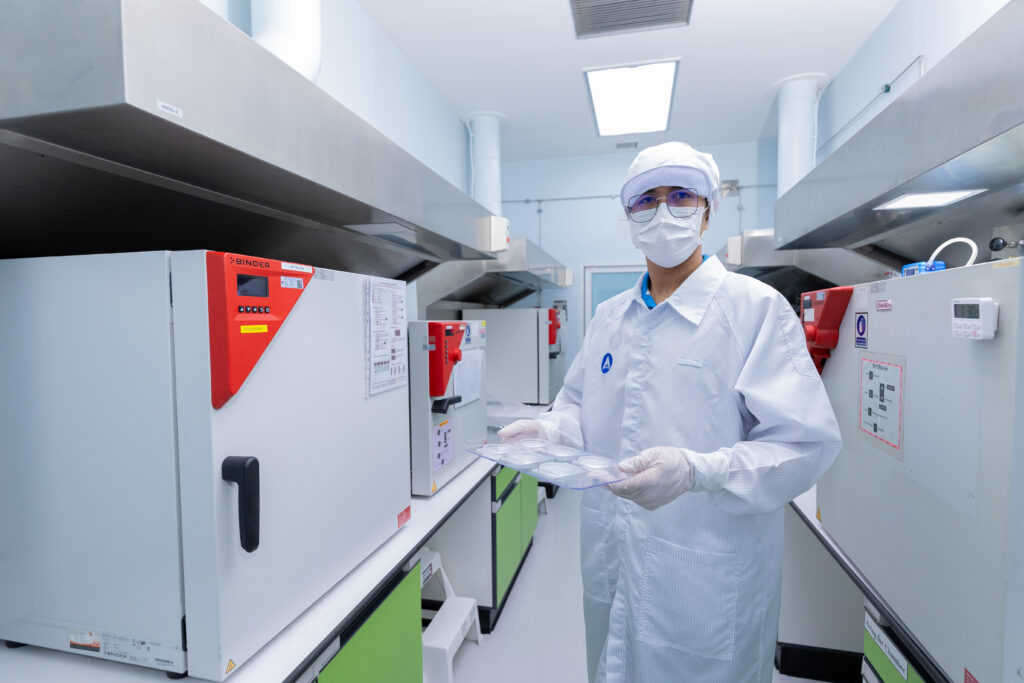
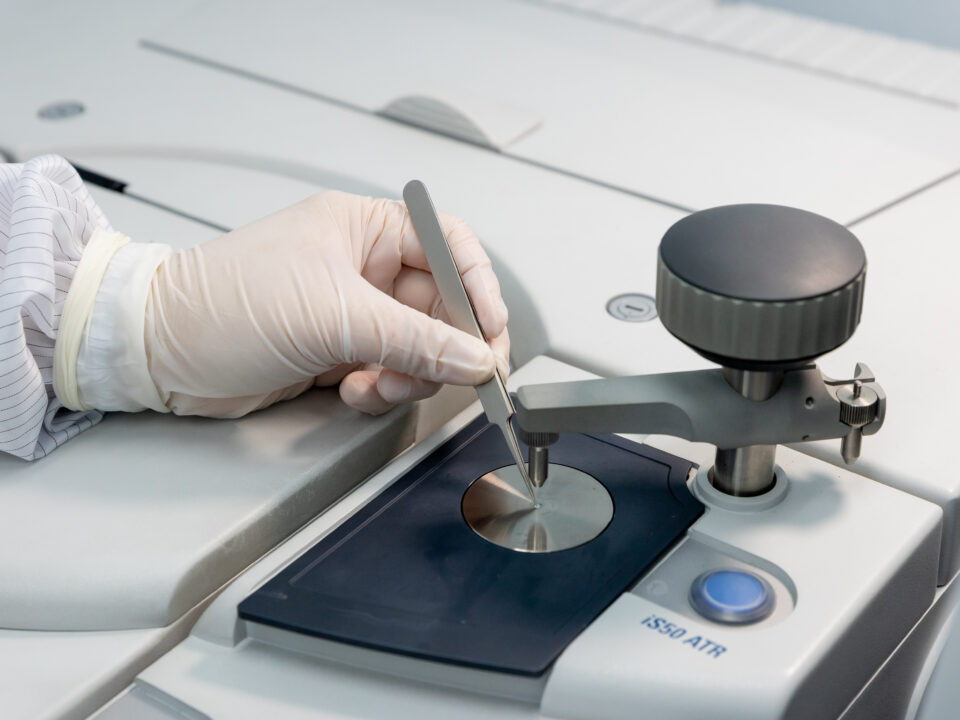
A Cleanliness Lab is a controlled laboratory facility designed to assess the cleanliness of automotive components through particle extraction and analysis, ensuring contamination levels remain within defined specifications.
For Tier 1 Suppliers, the lab functions as a quality gateway prior to OEM delivery — verifying product conformance, reducing rejection risk, and strengthening customer confidence. Applicable standards include ISO 16232 and VDA 19, both of which define systematic and reproducible testing methodologies. Organizations that meet these standards gain a competitive advantage within the global automotive supply chain.
Laboratory Infrastructure Requirements
Reliable test results depend on a well-designed facility. Key infrastructure elements include:
Cleanroom controlled to ISO Class 5–8
HEPA filtration system to minimize airborne particle levels
Positive pressure system to prevent external air ingress
Segregated zones for sample preparation, extraction, and analysis
One-way flow layout to minimize cross-contamination
Essential Equipment
Equipment
Function
Significance
Particle Extraction System
Extracts particles from test components
Core step of the testing process
Microscope
Analyzes particle size and morphology
Enables detailed characterization
Particle Counter
Quantifies particle count
Comparison against standard limits
Vacuum Filtration Unit
Filters test samples
Prepares samples for analysis
Laminar Flow Cabinet
Controls local environment
Reduces contamination risk
Standard Testing Workflow
The cleanliness testing process comprises five core steps:
Sample Collection
Particle Extraction
Filtration
Analysis
Reporting
To ensure process reliability and integrity, the following must also be in place:
Clearly defined Standard Operating Procedures (SOPs)
Blank testing for quality control verification
Process validation
Traceability systems and data integrity controls
Personnel Competency
Despite advances in technology, personnel remain the most critical factor in Cleanliness Lab quality assurance. Required competencies include laboratory instrument operation, particle analysis techniques, and a working knowledge of ISO and VDA standards. Organizations must maintain continuous training, competency assessments, and periodic skill reviews.
Human factors also represent a significant contamination risk — including improper gowning, deviation from SOPs, and inappropriate behavior within the cleanroom — all of which can directly compromise test accuracy and overall system reliability.
Development Challenges
Building a Cleanliness Lab presents several challenges:
Capital investment for cleanroom construction and specialized equipment procurement
Standard complexity requiring expert knowledge for accurate interpretation and implementation
Upstream process control — an unstable manufacturing process limits the effectiveness of laboratory testing alone
Organizations are advised to develop both manufacturing controls and laboratory capabilities concurrently to achieve sustainable Tier 1 compliance.
Future Outlook: Smart Cleanliness Lab
The next generation of cleanliness laboratories is evolving toward intelligent, automated systems, incorporating:
AI-powered particle analysis
Automated microscopy
Real-time data connectivity
Integration with manufacturing execution and quality management systems enables end-to-end quality control, reducing cycle time, improving result consistency, and supporting compliance with increasingly stringent industry standards.
From Compliance to Competitive Advantage
A Cleanliness Lab is not merely a testing facility — it is an integral component of a holistic quality management system, spanning product design, manufacturing, and delivery. Organizations that establish a fully compliant Cleanliness Lab will be well-positioned to meet OEM requirements, reduce long-term operational risk, and sustain competitiveness in the global automotive market.
Investment in a Cleanliness Lab is an investment in long-term business sustainability.
FAQ
Is a Cleanliness Lab required for all manufacturing facilities? Not universally — however, it is essential for high-precision or safety-critical components, particularly in electric vehicle, electronics, and stringent-cleanliness applications.
How should an organization begin? Conduct a Gap Analysis against ISO 16232 and VDA 19, then develop a structured implementation plan covering facility design, equipment, and process requirements.
What is the estimated budget? Costs range from hundreds of thousands to several million baht, depending on lab scale, technology scope, and target compliance level.
How long does implementation take? Typically 3–12 months, subject to organizational readiness and system complexity.
What are common implementation mistakes? Inadequate facility design, unclear SOPs, insufficient personnel training, and failure to address upstream process control — resulting in test outcomes that do not reflect real-world conditions.
Read moreApril 24, 2026
Anion/Cation Analysis · Ion Chromatography · GCMS · ICP-MS · RoHS/REACH Compliance · PCB Testing
ISO/IEC 17025 Accredited | Anion Test Specialist | Full Chemical Analytical Suite
The automotive industry’s shift toward electronics-intensive vehicle architectures, from advanced driver assistance systems (ADAS) to battery electric powertrains, has fundamentally changed the chemical testing requirements of automotive supply chains. Modern vehicles contain hundreds of electronic control units, kilometres of wiring, and sophisticated PCB assemblies whose reliability depends critically on chemical cleanliness, ionic contamination control, and compliance with global hazardous substance regulations.
At the same time, automotive chemical testing encompasses traditional analytical disciplines that remain essential: trace element analysis by ICP-MS, organic compound identification by GCMS, REACH and RoHS substance screening, and the growing discipline of ion chromatography for ionic contamination measurement, the ‘anion test’ that has become a critical quality control tool for automotive electronics manufacturers.
ALS Testing provides a comprehensive suite of chemical and electronics testing services, combining specialist ion chromatography capability with broad analytical chemistry capacity across ICP-MS, GCMS, FTIR, and regulatory compliance screening. With anion testing reaching search volumes of 210 per month in Malaysia – and no competitor currently offering well-developed content on this topic in the Malaysian market – ALS has a clear opportunity to establish content authority and capture this commercially significant keyword cluster.
Ion Chromatography – Anion & Cation Analysis
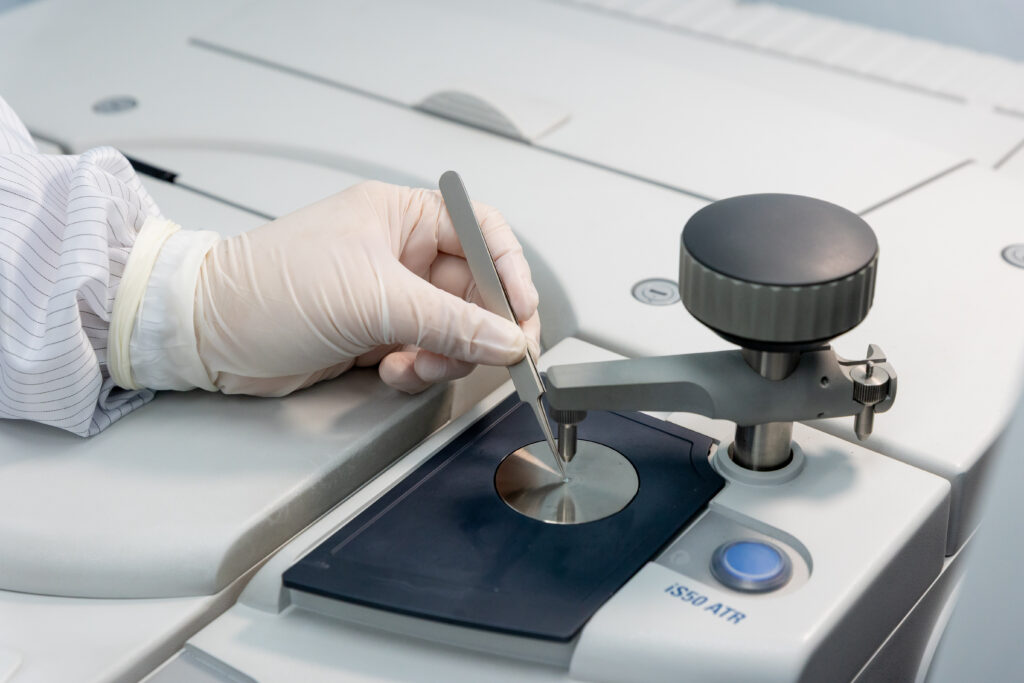
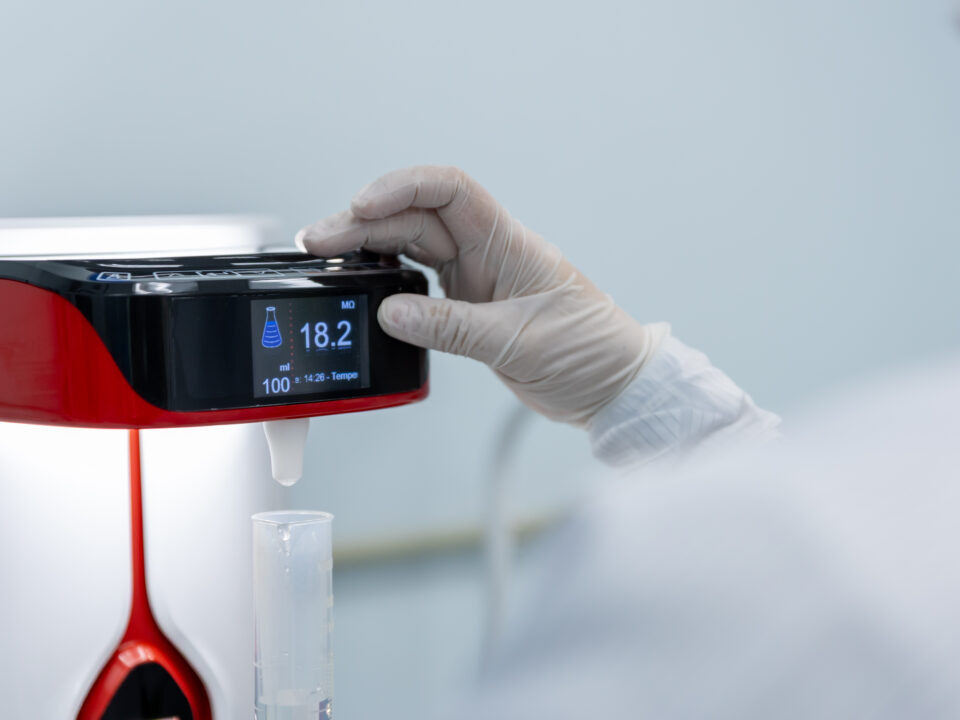
Ion chromatography (IC) is an analytical technique that separates and quantifies ionic species, both anions and cations, dissolved in an aqueous extract. In automotive and electronics testing, IC is applied to measure ionic contamination on component surfaces, in process fluids, and in assembly environments. The ‘anion test’ is shorthand for ion chromatography analysis of anionic species, has become one of the most widely applied quality control tests in automotive electronics manufacturing.
What Is Anion Testing?
Anion testing by ion chromatography quantifies the concentration of negatively charged ionic species, particularly chloride (Cl⁻), fluoride (F⁻), sulfate (SO₄²⁻), nitrate (NO₃⁻), phosphate (PO₄³⁻), and a range of organic acid anions including acetate, formate, and oxalate, in an aqueous extract of a component or material. These anions are of critical concern in automotive electronics because many of them are aggressive corrosion initiators and electrolytic conductors that can cause:
Electrochemical corrosion of metal conductors and contact surfaces
Dendritic growth (metallic whisker growth between PCB conductors under voltage bias)
Leakage current increase that triggers false signals in sensitive electronic circuits
Delamination of PCB laminates and conformal coatings in the presence of moisture
Accelerated corrosion of solder joints and connector contacts
In automotive applications, the primary source of ionic contamination is residual flux from PCB soldering processes, particularly when no-clean flux residues are not fully removed or when water-soluble flux residues are inadequately cleaned. Process water, fingerprints, environmental deposition, and chemical exposure during manufacturing are secondary sources.
Ion Chromatography Test Method – IPC-TM-650 2.3.28 / J-STD-001
The primary standard for ionic contamination testing of PCB assemblies is IPC-TM-650 Method 2.3.28, which defines the extraction method (a mixture of isopropyl alcohol and water applied to the PCB surface) and specifies the ion chromatography analysis for both anions and cations. The J-STD-001 standard (Requirements for Soldering Electrical and Electronic Assemblies) references cleanliness requirements that may require IC analysis for qualification.
ALS conducts ionic contamination testing by IC to IPC-TM-650 2.3.28, providing results in µg/cm² for each ionic species identified, against the limits specified by the client’s cleanliness specification or OEM requirement. Results identify both the type and quantity of each ionic species, enabling manufacturers to verify compliance and infer potential root causes (such as chloride excess suggesting flux residue or organic acids suggesting flux decomposition products).
Cation Analysis – Sodium, Potassium, Ammonium & Others
In addition to anion analysis, ALS provides cation analysis by IC for the principal positively charged ionic species of concern in electronics: sodium (Na⁺), potassium (K⁺), ammonium (NH₄⁺), and the amines associated with no-clean flux formulations (particularly methylamine and triethanolamine, which are characteristic of amine-based flux activators). Elevated ammonium or amine concentrations can indicate inadequate removal of flux activator residues, which in combination with humidity can cause under-board corrosion and leakage current failures.
RoHS & REACH Compliance Testing
The Restriction of Hazardous Substances (RoHS) Directive and the Registration, Evaluation, Authorisation and Restriction of Chemicals (REACH) Regulation are the two most significant global regulatory frameworks governing chemical content in electrical and electronic products. Compliance with both is mandatory for automotive electronics products supplied to the EU market, and is increasingly required by global OEMs as a contractual supply chain requirement regardless of the target market.
RoHS Compliance Screening – IEC 62321 Series
The RoHS Directive restricts the use of six hazardous substances in electrical and electronic equipment: lead (Pb), mercury (Hg), cadmium (Cd), hexavalent chromium (Cr(VI)), polybrominated biphenyls (PBB), and polybrominated diphenyl ethers (PBDE). RoHS 2 (Directive 2011/65/EU and its amendments) added four phthalates (DEHP, BBP, DBP, and DIBP), making ten restricted substances in total.
ALS provides RoHS compliance screening to the IEC 62321 series of test methods, which defines the analytical methods for determination of each restricted substance group. Screening begins with X-ray fluorescence (XRF) screening for elemental species (Pb, Hg, Cd, Cr) and proceeds to confirmatory quantitative analysis by ICP-MS or ICP-OES where XRF screening indicates potential exceedance. Hexavalent chromium is determined specifically by UV-Vis spectrophotometry, and phthalates are determined by GCMS.
REACH – SVHC Screening
The REACH regulation requires declaration of substances of very high concern (SVHC) in articles above a concentration threshold of 0.1% w/w, when the SVHC concentration exceeds 0.1% in the article as a whole. The SVHC candidate list, published by the European Chemicals Agency (ECHA) and updated regularly, now contains over 230 substances, including phthalates, heavy metals, aromatic amines, certain polymers, and flame retardants. ALS provides targeted SVHC screening for the substances most commonly encountered in automotive materials and electronic components, using appropriate analytical methods including XRF, ICP-MS, GCMS, and IC.
GCMS – Organic Chemical Analysis
Gas chromatography-mass spectrometry (GCMS) is the primary analytical tool for identification and quantification of organic compounds, including solvents, plasticisers, flame retardants, process chemicals, and contaminants in automotive materials and components. In automotive chemical testing, GCMS is applied across a range of programmes.
GCMS Applications in Automotive Testing
VOC and SVOC emissions analysis: GCMS is the detection method used in thermal desorption analysis to VDA 278 and ISO 12219, providing a detailed compound-by-compound profile of organic emissions from interior materials. Contaminant identification: when unknown organic contaminants are found on component surfaces, in lubricants, or in process fluids, GCMS compound identification provides the molecular-level identification needed for source investigation and corrective action. Phthalate analysis for RoHS compliance: GCMS is the confirmatory method for determination of phthalates (DEHP, BBP, DBP, DIBP) in materials screened initially by XRF. Solvent and process chemical residue analysis: GCMS identifies residual solvents and cleaning agents on component surfaces after cleaning processes, providing evidence of adequate cleaning or contamination by inappropriate process chemicals.
ICP-MS & ICP-OES – Trace Element Analysis
Inductively coupled plasma mass spectrometry (ICP-MS) and inductively coupled plasma optical emission spectrometry (ICP-OES) are the premier techniques for trace and ultra-trace elemental analysis in automotive materials, process fluids, and environmental samples. These techniques provide multi-element analysis at concentrations from percentage levels (ICP-OES) down to parts per trillion (ICP-MS) in dissolved samples, making them essential tools for restricted element screening, material composition verification, and contamination source tracing.
Trace Element Analysis Applications
RoHS element screening: ICP-MS and ICP-OES provide confirmatory quantitative analysis for lead, mercury, cadmium, and total chromium in materials where XRF screening has indicated potential RoHS exceedance. Automotive fluid analysis: engine oils, coolants, hydraulic fluids, and gear lubricants are analysed by ICP-OES for wear metals (iron, copper, aluminium, chromium), additive elements (zinc, phosphorus, molybdenum), and contaminant elements as part of condition monitoring and failure investigation programmes. Material composition verification: ICP analysis confirms the elemental composition of alloys, platings, and surface treatments against specified composition limits. Environmental sample analysis: ALS applies ICP-MS to environmental water and soil samples in support of automotive manufacturing facility environmental monitoring and regulatory compliance programmes.
PCB & Electronics Component Testing
Automotive electronics components, including PCBs, connectors, sensors, power modules, and wire harness assemblies, are subject to some of the most demanding chemical cleanliness and material compliance requirements in the electronics industry. The consequences of chemical contamination in automotive safety systems, powertrain controls, or battery management electronics are severe, ranging from intermittent operation through to complete functional failure in safety-critical systems.
PCB Ionic Contamination Testing
Ion chromatography analysis of PCB ionic contamination (IPC-TM-650 2.3.28) is described in detail in the Ion Chromatography section above. ALS provides this as a standard service for automotive PCB manufacturers and assemblers, supporting both production quality control and OEM qualification requirements.
Solderability Testing
Solderability testing evaluates the wettability of component leads, PCB pads, and solder surfaces, specifically the ability of liquid solder to spread uniformly across a surface. Poor solderability leads to cold solder joints, dewetting, and non-wet opens, which are a significant source of early-life failures in automotive electronics. ALS provides solderability testing by wetting balance (J-STD-002) and dip-and-look methods (IPC-TM-650 2.4.12) to support incoming component qualification and process control.
Conformal Coating Inspection & Analysis
Conformal coatings applied to automotive PCBs provide protection against moisture, contamination, and mechanical stress. ALS provides analysis of conformal coating composition by FTIR to verify coating type, cross-section analysis by optical and scanning electron microscopy to assess coating thickness and uniformity, and adhesion testing to evaluate bonding integrity of the coating to the PCB surface. These tests support both coating process validation and investigation of coating failures in field-returned assemblies.
Standards & Test Methods
Standard / Method
Technique
Application
IPC-TM-650 2.3.28
Ion Chromatography (IC)
PCB ionic contamination – anion and cation analysis
J-STD-001
Multiple
Soldering cleanliness requirements – references IC for qualification
IEC 62321-1 to -8
XRF, ICP-MS, ICP-OES, GCMS, UV-Vis
RoHS restricted substance screening and confirmatory analysis
REACH SVHC
XRF, ICP-MS, GCMS, IC
SVHC substance screening in automotive materials and articles
VDA 278
Thermal Desorption GCMS
VOC and FOG emissions from interior materials – German OEM
ISO 12219
Chamber / GCMS
Interior air VOC analysis – international standard
ISO/IEC 17025
Quality Management System
Accreditation framework for all ALS analytical methods
ICP-MS / ICP-OES
Elemental Analysis
Trace element quantification – fluids, materials, coatings
GCMS (Full Scan / SIM)
Organic Compound ID & Quantification
Contaminant ID, RoHS phthalates, VOC analysis
J-STD-002
Wetting Balance
Solderability testing – component leads and PCB pads
Why ALS for Chemical & Electronics Testing?
Specialist in Ion Chromatography – Anion Test Leader in Malaysia
ALS Testing offers one of the most comprehensive ion chromatography capabilities in the Malaysian testing market, covering the full range of ionic species relevant to automotive electronics quality control: fluoride, chloride, nitrite, phosphate, sulfate, acetate, formate, oxalate, and the organic acid anions characteristic of no-clean flux residue. Our IC capability covers both anion and cation analysis in a single analytical run, providing a complete ionic profile from a single sample extraction.
With anion test searches at 210 per month in Malaysia and no competitor currently providing a well-developed digital resource on this topic, ALS is positioned to be the definitive reference for automotive electronics manufacturers in the region seeking ion chromatography testing services.
Full Analytical Suite Under One Roof
Rather than working with multiple specialist laboratories for different analytical disciplines, ALS clients benefit from access to our full analytical suite: IC, ICP-MS, ICP-OES, GCMS, FTIR, SEM-EDX, and XRF under a single ISO/IEC 17025 accredited quality management system. This simplifies sample management, reduces logistics complexity, and ensures consistency of sample handling across all analytical techniques applied to the same investigation.
Automotive Context & Application Knowledge
Chemical analysis in automotive applications requires more than analytical technique proficiency; it requires understanding of where contamination comes from, why it matters in context, and how analytical results translate into manufacturing and quality decisions. ALS analysts have experience in automotive manufacturing environments and understand the quality questions that drive testing requests. This enables us to provide results and interpretations that are directly actionable, rather than raw analytical numbers that require translation.
Frequently Asked Questions – Chemical & Electronics Testing
Q: What is an anion test and why is it important for PCB manufacturing?
An anion test is ion chromatography (IC) analysis of ionic contamination on a PCB or electronic component surface, specifically targeting negatively charged ionic species including chloride, fluoride, sulfate, nitrate, phosphate, and organic acid anions. These anions are important in PCB manufacturing because they are the primary ionic contaminants that cause electrochemical corrosion, dendritic growth, and leakage current failures in PCB assemblies, particularly in humid environments. The anion test is conducted to IPC-TM-650 Method 2.3.28 and provides results in µg/cm², comparable to OEM or IPC cleanliness acceptance limits.
Q: What is the difference between RoHS and REACH, and does ALS test for both?
RoHS (Restriction of Hazardous Substances Directive) restricts the use of ten specific hazardous substances in electrical and electronic equipment placed on the EU market: six original substances (lead, mercury, cadmium, hexavalent chromium, PBB, PBDE) plus four phthalates added by RoHS 2. REACH is a broader chemical regulation requiring identification and communication of substances of very high concern (SVHC) in articles. The SVHC candidate list contains over 230 substances. ALS provides compliance screening for both RoHS and REACH, using appropriate analytical methods for each substance category. We can provide a combined RoHS and REACH SVHC screening programme from a single sample submission.
Q: Can ALS identify unknown contaminants on automotive components?
Yes. Unknown contaminant identification is one of our most commonly requested analytical services. Our approach typically begins with FTIR analysis to identify organic contaminants and provide a rapid initial classification. SEM-EDX is applied to characterise the morphology and elemental composition of inorganic contaminants or particles. GCMS provides definitive molecular identification of organic species when FTIR yields an ambiguous or incomplete result. ICP-MS can quantify trace elements in dissolved contaminants. By applying this suite of techniques in sequence, ALS can identify the chemical nature and likely source of most contaminants encountered in automotive manufacturing environments.
Q: How do I interpret ion chromatography results for my PCB cleanliness specification?
IC results for PCB ionic contamination are typically expressed as µg/cm² of each ionic species, calculated from the total extracted mass divided by the board surface area analysed. These results are compared against the cleanliness acceptance limit specified by your OEM, your customer’s specification, or a standard such as IPC-7711. Common acceptance limits range from 0.2 µg/cm² to 1.56 µg/cm² for total ionic contamination, depending on the application’s criticality. Our report will state the measured concentration of each ionic species and compare it against your specified limit to provide a clear technical conclusion regarding compliance. If you need guidance on interpreting results or selecting appropriate cleanliness limits for your application, our technical team is available to advise.
Q: Does ALS provide GCMS analysis for VOC testing as well as RoHS phthalate screening?
Yes. Our GCMS capability covers both applications and more. For VOC/FOG emissions analysis, GCMS is the detection method used in thermal desorption analysis to VDA 278, providing compound identification and quantification of organic emissions from automotive interior materials. For RoHS phthalate screening, GCMS is the confirmatory analytical method applied after XRF screening for samples that require quantitative phthalate determination. Additionally, GCMS is applied to unknown contaminant identification, solvent residue analysis, process chemical characterisation, and environmental sample analysis. Our GCMS systems operate in full-scan mode for compound identification and selected ion monitoring (SIM) mode for trace-level quantification.
Request a Chemical & Electronics Testing Quote
From anion/cation analysis of PCB assemblies to RoHS compliance screening, GCMS contaminant identification, and ICP-MS trace element analysis, ALS Testing provides the chemical and electronics testing services that automotive electronics manufacturers in Malaysia and Southeast Asia require. Our ISO/IEC 17025 accredited results are accepted by global OEMs, and our specialist ion chromatography capability makes us the leading choice for automotive ionic contamination testing in the region.
→ Request a Quote: https://www.alstesting.co.th/request-a-quote/
→ Back to Automotive Testing Hub: /automotive-testing/
ISO/IEC 17025 Accredited | Ion Chromatography Specialist | RoHS + REACH + Anion/Cation Testing
Read more