Cleanliness of Components and Systems for Road Vehicle
- โชว์สินค้าทั้งหมด
- No categories
May 7, 2026
In industries like automotive, electronics, and medical devices, cleanliness is not optional — it’s a fundamental requirement. Even microscopic dust particles can compromise product quality, trigger costly recalls, and damage your brand’s reputation. That’s why Dust Analysis (Particle Analysis) is a critical step that gives manufacturers the confidence their products meet both domestic and international standards.
ALS Testing Services (Thailand), a member of the ALS Global network with over 40 years of testing and quality inspection expertise, offers comprehensive, internationally accredited dust analysis services — helping businesses elevate product quality and reduce production risk.
What Is Dust Analysis?
Dust Analysis is the process of detecting, measuring, and classifying particulate contaminants found in components, finished products, or production environments. Using specialized tools and standards, it evaluates whether contamination levels affect:
✅ Product quality and performance
✅ Safety requirements
✅ International standards such as VDA 19 (Technical Cleanliness of Components) and ISO 16232:2018 (Cleanliness of Components in Automotive Manufacturing)
ALS Testing’s 3-Step Dust Analysis Service
Step 1: Validation of Extraction Parameters
Before analysis begins, we verify that the particle extraction method is appropriate for your specific component. This involves 6 repeated extractions, analyzed through a Particle Analyzer — ensuring accuracy and full compliance with VDA 19 / ISO 16232 criteria.
Step 2: Particle Analysis
Once extraction is validated, the extracted particles are classified into three main categories:
Table
Category
Examples
Metallic
Iron, aluminum, and copper shavings from wear and machining
Non-Metallic
Plastic, rubber, or environmental dust particles
Fiber
Threads from fabric, filters, or packaging materials
Results specify the quantity, size, and type of each particle — enabling manufacturers to assess whether their components meet cleanliness standards and to plan precise maintenance actions.
Step 3: Advanced Analysis
When deeper identification is needed, ALS Testing offers cutting-edge analytical technologies:
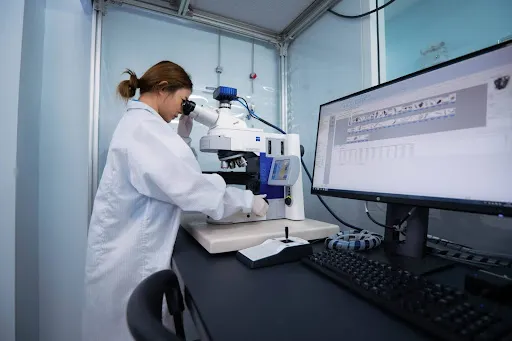
SEM/EDX (Scanning Electron Microscopy with Energy-Dispersive X-ray Analysis) — identifies the elemental composition of metallic particles
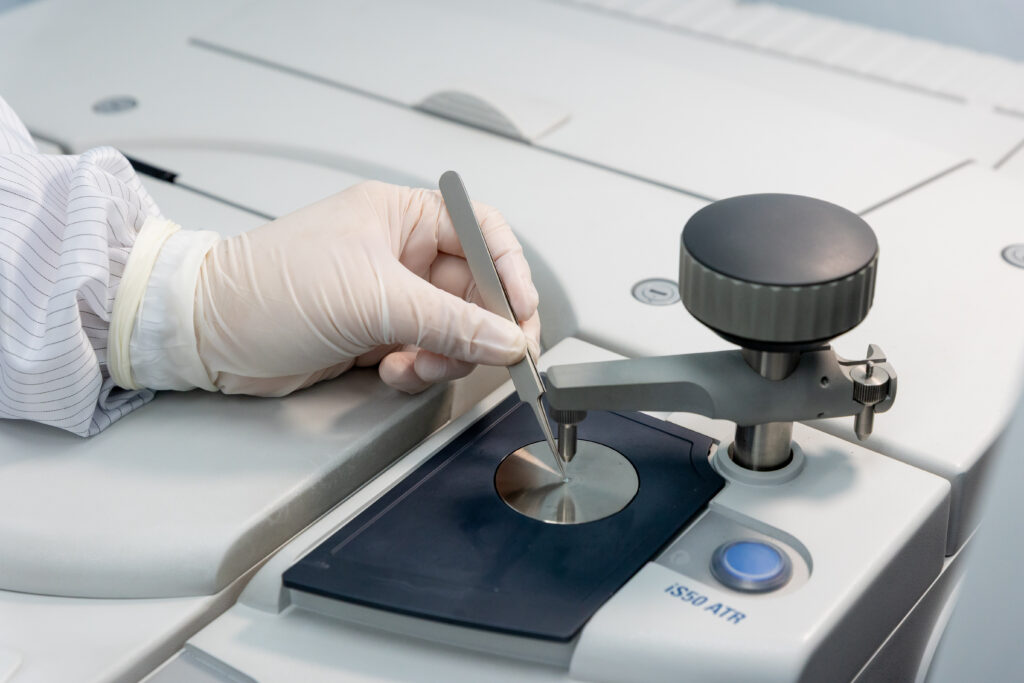
FTIR (Fourier Transform Infrared Spectroscopy) — identifies non-metallic particles such as plastics, rubber, and natural fibers
4 Business Benefits of Dust Analysis
1. ️ Reduce the Risk of Product Recalls
By detecting contamination before products reach customers, dust analysis helps you catch problems at the source — preventing costly recalls, economic losses, and damage to customer trust.
2. Compete Confidently in Global Markets
International markets — especially automotive, electronics, and medical — enforce strict cleanliness requirements. Standards-compliant dust analysis confirms your products are ready for these markets, opening doors to new trade opportunities.
3. ⚙️ Improve Production Process Efficiency
Particle data reveals contamination rates and their origins — whether from machinery, the work environment, or assembly steps. This actionable intelligence allows manufacturers to eliminate risk points and optimize production for the long term.
4. Build Customer and Partner Confidence
Test results from an ISO/IEC 17025-accredited laboratory provide tangible proof of quality — giving customers and business partners the assurance that your products undergo rigorous quality control. This is a powerful foundation for building lasting business relationships.
Which Industries Benefit from Dust Analysis?
Dust analysis isn’t limited to automotive alone. Here’s how it adds value across multiple sectors:
Food & Beverage
Dust and particles from packaging, machinery, or the environment can contaminate food products and cause failures under safety standards like HACCP, GMP, or ISO 22000. ALS particle analysis pinpoints contaminant types and sources — enabling targeted fixes such as improved packaging steps or upgraded air filtration systems.
Cosmetics & Personal Care
In skincare and cosmetics production, tiny particles — dust, fibers, or material fragments — can cause skin irritation, adverse reactions, or product degradation. Dust analysis helps manufacturers identify and eliminate contamination before products reach consumers.
⛽ Energy & Petrochemical
Dust particles, metal debris, and sediment deposits can cause blockages, accelerated wear, and equipment damage that disrupts operations. Regular particle analysis keeps pipes, hydraulic systems, and process equipment clean — maintaining both safety and operational efficiency.
Elevate Your Quality Standards with ALS Testing Services
In today’s highly competitive industrial landscape, cleanliness standards are not a box to check — they are a strategic quality tool. Neglecting dust analysis risks product defects, regulatory non-compliance, and reputational damage that is far more costly than the test itself.
ALS Testing Services (Thailand) is your trusted partner — backed by 40+ years of ALS Global expertise, world-class analytical standards, advanced technology, and clear, actionable reports designed to help you improve, compete, and grow.
Achieve world-class cleanliness confidence — with ALS Testing Services.
Read moreMay 7, 2026
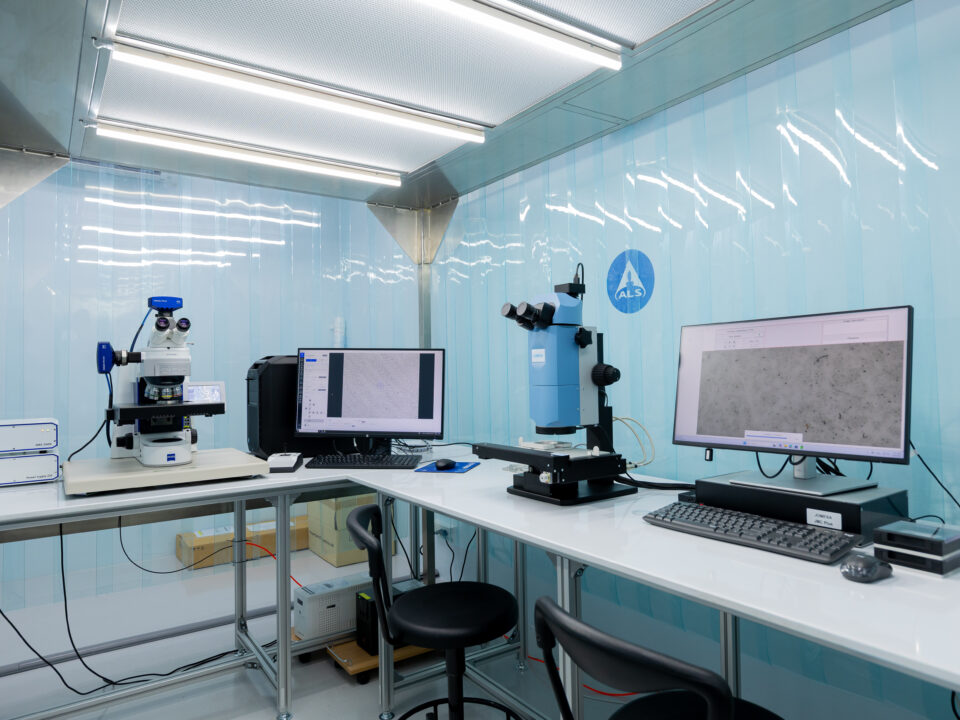
In the automotive industry, precision is everything. Countless components operate within hydraulic systems, oil circuits, and delicate mechanisms where even the tiniest foreign particle can cause serious problems. Yet one quality factor that manufacturers often overlook — despite its significant impact — is particle cleanliness.
Microscopic metal shavings, plastic fragments, or tiny fibers invisible to the naked eye can silently compromise the performance and lifespan of critical components. That’s why particle analysis is no longer just an inspection task — it’s a core pillar of any robust quality management system.
The Standards Behind the Science: VDA 19 & ISO 16232
Two internationally recognized standards govern particle cleanliness testing in the automotive world:
Table
Standard
Role
VDA 19
Provides procedural guidelines and test methods
ISO 16232
Establishes universal criteria for communication between OEMs and suppliers
Using both standards together ensures that particle analysis results are globally comparable, traceable, and credible — making it easier for factories to benchmark quality and meet OEM expectations.
Why Does It Matter?
Even particles just a few microns in size can trigger unexpected failures, such as:
Blocked oil channels in hydraulic systems
Increased friction and wear in precision moving parts
Stiffening of mechanical components, reducing responsiveness
False signals in electronic systems, causing malfunctions
Think of particle analysis as a preventive health check for your production line — identifying contamination risks before they turn into real-world failures.
How Particle Analysis Works: A 2-Step Process
Step 1: Decline Test — Validating Extraction Parameters
The first step under VDA 19 is the Decline Test, which verifies that the particle extraction method is appropriate for the specific component being tested. This confirms that all potentially contaminating particles are consistently extracted — with no variability caused by equipment or methodology.
⚠️ If the Decline Test fails, it signals instability in the production or cleaning process — which must be corrected before proceeding to the main analysis.
Step 2: Particle Analysis — Classification and Quantification
Once extraction is validated, particles are categorized into three groups:
Metallic — metal shavings or fragments from machining
Non-Metallic — plastic, rubber, or other solid particles
Fiber — thread-like contaminants from packaging or assembly
This classification tells manufacturers not just how many particles are present, but what type, what size, and — critically — where they came from: machining, assembly, surface finishing, or even component packaging.
4 Real Business Benefits of World-Class Particle Testing
1. ⬇️ Reduce Scrap and Production Costs
Once the source of contamination is pinpointed, targeted corrective actions — such as improving washing steps or adding dust protection — lead directly to lower scrap rates and more stable production output.
2. Boost Supplier Credibility with OEMs
Reporting to ISO 16232 means your results speak a universal language that OEMs understand and trust — eliminating interpretation gaps and positioning your factory as a reliable, quality-controlled supplier.
3. Enable Continuous Process Monitoring
Particle data allows factories to track cleanliness trends over time, enabling proactive maintenance planning and preventing quality issues from ever reaching the customer.
4. Build the Foundation for Zero Defect Manufacturing
By controlling quality at the particle level, factories can detect defects that are completely invisible to the human eye — moving steadily closer to the Zero Defect goal through data-driven, precisely targeted improvements.
Comprehensive Particle Cleanliness Testing with ALS Testing
For manufacturers committed to systematic cleanliness improvement, conducting particle analysis under VDA 19 and ISO 16232 within an ISO/IEC 17025-accredited laboratory is an essential step — one that reduces quality risk and aligns your processes with the expectations of global automotive manufacturers.
ALS Testing delivers a complete end-to-end service covering every stage:
✅ Custom extraction condition design for each component type ✅ Filtration, particle counting, and classification ✅ Categorization per VDA 19 / ISO 16232 criteria ✅ Detailed reports ready for direct OEM submission
The results can be immediately applied to improve production processes, plan waste reduction, and establish internal cleanliness standards aligned with your business goals.
Whether you’re looking to stabilize production, reduce scrap, strengthen OEM alignment, or lay the groundwork for Zero Defect Manufacturing — particle cleanliness analysis with ALS Testing is the confident first step toward getting there.
Read moreMay 6, 2026
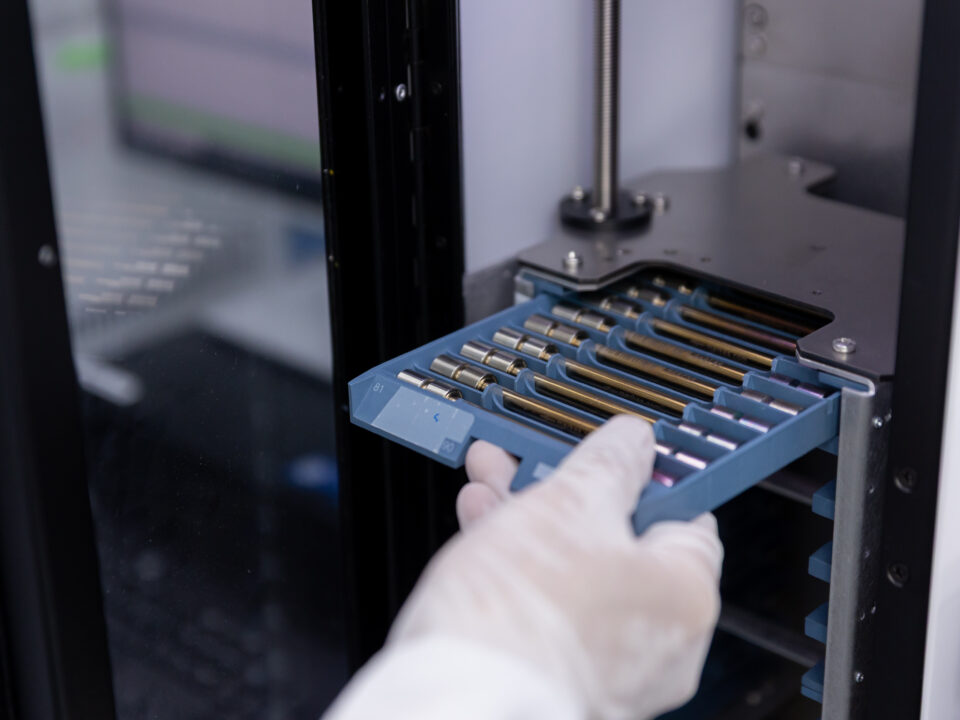
ESG Is No Longer Just a Trend — It Is a Business Imperative
Environmental, Social, and Governance (ESG) reporting has moved from a voluntary best practice to a core business requirement. Investors, regulators, customers, and the public now expect organizations to back their sustainability claims with data that can actually be verified.
For industrial organizations, one of the most critical — and often underestimated — environmental indicators is Volatile Organic Compounds (VOCs). These invisible chemical compounds touch all three pillars of ESG, making accurate VOCs analysis far more than a technical exercise.
What Are VOCs — and Why Do They Matter for ESG?
Volatile Organic Compounds (VOCs) are chemicals that evaporate easily at room temperature. They are released during manufacturing processes, fuel combustion, and a wide range of industrial activities — often without being seen or smelled until concentrations reach harmful levels.
Their relevance to ESG spans all three dimensions:
Table
ESG Pillar
How VOCs Connect
Environment
VOCs monitoring reflects how effectively an organization controls its air emissions and environmental impact
Social
Exposure to VOCs directly affects worker health and safety — a core social responsibility
Governance
Accurate, traceable VOCs reporting demonstrates organizational transparency and accountability
VOCs data is not just a technical concentration value. It is evidence of how seriously an organization takes its responsibility to people and the planet.
Accuracy Is Everything — Here Is Why
Getting VOCs analysis right requires two things working together: proper sample collection and laboratory-grade analysis.
Portable field instruments like PID detectors are useful for quick, on-site readings — but they cannot identify specific compounds or produce the defensible results required for formal ESG reporting.
For that, laboratory analysis is essential. The most widely used technologies include:
GC-MS (Gas Chromatography–Mass Spectrometry) — the gold standard for identifying and quantifying individual VOC compounds with precision
HSGC (Headspace Gas Chromatography) — optimized for analyzing VOCs in water samples
SPE (Solid Phase Extraction) — used to prepare soil and water samples before GC-MS analysis
But technology alone is not enough. The accuracy of results also depends on:
How samples are collected and preserved
The chain of custody maintained during transport
The laboratory’s internal quality control systems
Weak processes at any of these stages can produce misleading data — and in an ESG context, misleading data carries real consequences.
VOCs Across Three Environmental Media
VOCs do not stay in one place. They migrate through air, water, and soil — which means effective monitoring requires a tailored approach for each medium.
️ Air
Air samples are collected using sorbent tubes or continuous sampling methods, then analyzed by GC-MS to identify specific compounds and concentrations. VOCs air monitoring is essential for:
Controlling workplace air quality
Assessing emission levels in and around industrial facilities
Meeting occupational health and environmental regulations
Water
Because VOCs evaporate rapidly, water sampling demands airtight containers and careful handling to prevent loss before analysis. Using HSGC combined with GC-MS delivers precise results critical for:
Evaluating water quality near industrial sites
Assessing safety for consumption or discharge
Supporting environmental impact assessments
Soil
In areas with a history of industrial activity, multi-point soil sampling ensures comprehensive coverage. Samples undergo SPE preparation before GC-MS analysis, providing data essential for:
Long-term environmental risk assessment
Contamination source identification
Regulatory compliance and site remediation planning
The Laboratory’s Role in Building ESG Credibility
In the ESG framework — particularly under Environment and Governance — environmental data must be both accurate and traceable. This is where the laboratory becomes a strategic partner, not just a service provider.
A credible accredited laboratory delivers:
✅ Rigorous quality control at every stage of analysis ✅ Calibrated instruments maintained to international standards ✅ Systematic documentation that creates a clear audit trail ✅ Results that hold up — whether submitted to regulators, included in ESG reports, or shared with investors and partners
When VOCs data comes from a reliable, accredited source, it transforms from raw numbers into verifiable proof of environmental stewardship.
Data That Means Something
In the age of ESG, the numbers in your sustainability report are scrutinized more carefully than ever. They need to be:
Accurate — reflecting what is actually happening in your operations
Traceable — supported by documented methodology and chain of custody
Credible — produced by laboratories recognized locally and internationally
A concentration value is just a number. Verifiable, well-documented VOCs data is evidence — of accountability, of transparency, and of a genuine commitment to sustainability.
Organizations that invest in rigorous VOCs analysis are not just checking a compliance box. They are building the data foundation that ESG credibility requires.
Learn more about VOCs analysis services: www.alstesting.co.th/volatile-organic-compounds-vocs
Read moreMay 6, 2026
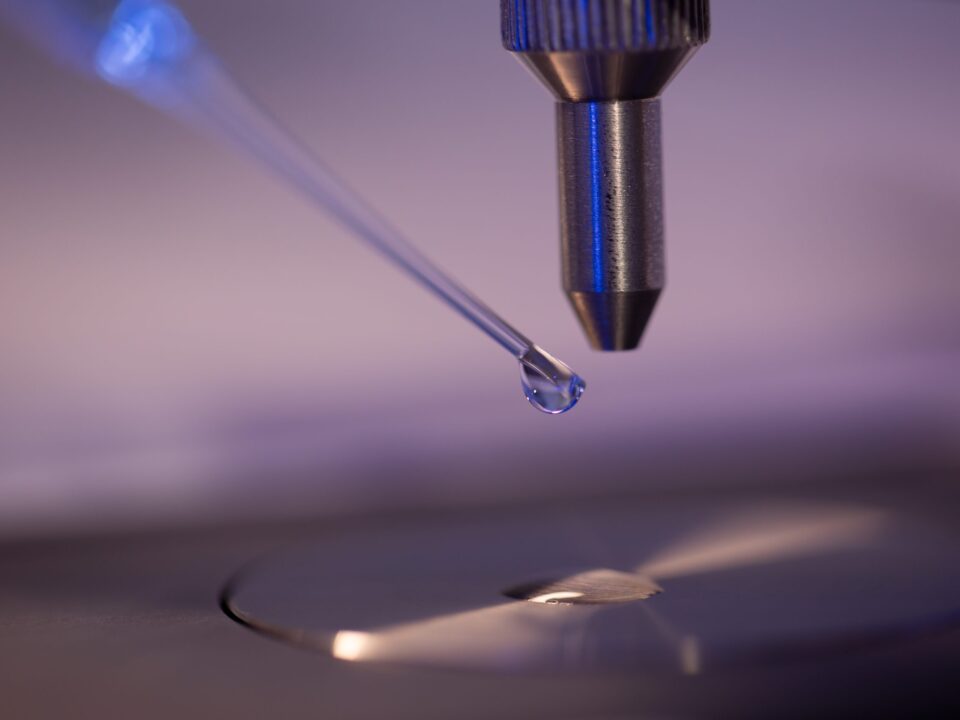
The Real Cost of Wrong Materials
In industrial and construction projects, quality failures rarely announce themselves immediately. By the time a problem surfaces — a coating that peels, a sealant that cracks, a polymer that fails under load — the damage is already done, and the cost to fix it is exponentially higher than it would have been to prevent it.
The most effective quality strategy is not inspection after the fact. It is verification at the source.
That is precisely where FT-IR (Fourier Transform Infrared Spectroscopy) plays a decisive role — as a powerful, science-backed first line of quality control.
What FT-IR Actually Does
FT-IR is an analytical technique that identifies the chemical structure of a material by measuring how it absorbs infrared light. Each material produces a unique spectral “fingerprint,” revealing:
What the material truly is — not just what it appears to be
What chemical groups it contains
Whether any chemical changes have occurred
It does not measure structural strength or load-bearing capacity. What it does — with speed and precision — is confirm that the material in your hands is exactly what it is supposed to be.
10 Ways FT-IR Strengthens First-Line QC
1. Confirm Material Identity Before Use
Is this epoxy, polyurethane, silicone, or something else entirely? FT-IR answers that question with certainty — preventing the wrong material from ever entering your process.
2. Filter Materials Before Expensive Testing
Mechanical and safety testing is time-consuming and costly. FT-IR acts as the first gate, ensuring only chemically verified materials move forward — saving both time and resources.
3. Track Quality Consistency Across Production Lots
The same product from different production batches is not always the same. FT-IR detects batch-to-batch variation, keeping quality consistent from project start to finish.
4. ⚠️ Detect Formula Changes or Unauthorized Substitutions
If a supplier changes raw materials, reduces key components, or delivers an off-spec formulation, FT-IR will reveal the chemical difference — clearly and objectively.
5. ️ Assess Material Condition, Not Just Type
FT-IR goes beyond identification. It can detect signs of thermal degradation, UV damage, or oxidation — providing early warning signals before a material fails in the field.
6. ️ Replace Guesswork with Science
Many materials look identical to the naked eye. FT-IR eliminates reliance on visual inspection or experience alone, replacing assumptions with hard analytical evidence.
7. Reduce the Long-Term Cost of Failure
Catching the wrong or degraded material at incoming inspection costs a fraction of what field failures, rework, or post-installation damage will demand. Prevention always pays.
8. Build a Traceable Quality Record
FT-IR results are documented, verifiable, and traceable — serving as reliable technical evidence in quality disputes and informed decision-making for engineers and management alike.
9. ⚡ Fast, Non-Destructive, and Non-Disruptive
Testing is rapid, requires minimal sample material, and does not interrupt production lines — making it perfectly suited for incoming inspection and routine spot checks.
10. A Smart First Step, Not the Final Word
FT-IR is a precision screening tool, not a replacement for structural or safety testing. By confirming chemical suitability first, it makes every subsequent test more targeted, more meaningful, and more cost-effective.
Where FT-IR Is Commonly Applied
FT-IR delivers strong results for any material with a defined chemical composition — particularly where materials look similar but perform very differently:
Table
Material Category
Why FT-IR Matters
Coatings & Anti-Corrosion Products
Verify formulation integrity before application
Construction Adhesives & Sealants
Confirm chemical type and detect substitution
Polymers, Rubber & Damping Components
Identify grade and detect degradation
Insulation, Foam & Plastics
Distinguish between visually similar materials
Know the Limits
FT-IR is a tool of precision — not a universal solution. It cannot replace structural load testing, crack detection, or engineering safety assessments. Those require dedicated mechanical and non-destructive testing methods. Used within its proper scope, however, FT-IR is one of the most efficient QC investments available.
Why ALS Testing
ALS Testing is an internationally accredited laboratory based in Thailand, delivering FT-IR analysis as part of a comprehensive, science-driven QC approach.
When materials enter the process already verified for chemical identity, condition, and conformance, the entire quality system performs better:
✅ Fewer surprises downstream
✅ More targeted advanced testing
✅ Stronger documentation for technical and commercial decisions
✅ Lower risk of costly late-stage failures
FT-IR with ALS Testing does not just check a box.
It changes the way organizations think about quality — from reactive to proactive, from assumption to evidence, from risk to confidence.
When first-line QC is right, everything that follows works better.
Read moreMay 6, 2026
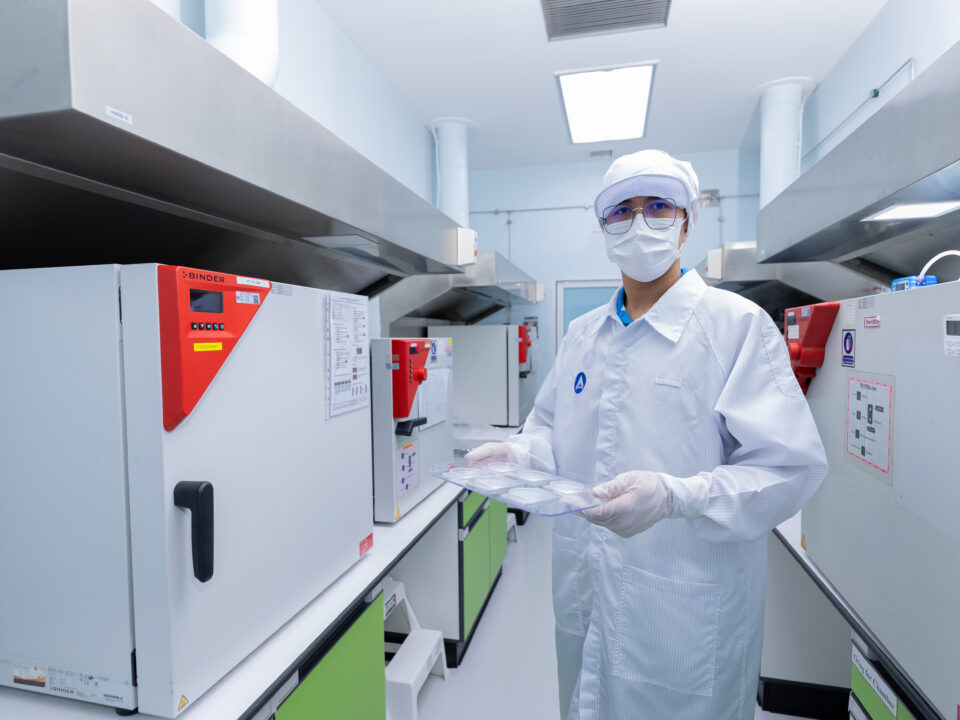
ICE vs. EV: A New Kind of Risk
The shift from combustion engines (ICE) to electric vehicles (EV) changes more than the power source — it changes the entire risk profile.
ICE systems fail through mechanical wear — predictable, repairable.
EV systems fail through electrical faults and thermal instability — sudden, dangerous, and potentially irreversible.
Even a few microns of contamination can trigger a battery short circuit, leading to thermal runaway — and potentially fire or explosion.
Why ISO 16232 Now Matters for Safety
The updated VDA 19.1 (3rd Edition, 2025), developed by 40+ leading automotive companies, elevates ISO 16232 from a quality standard to a functional safety requirement, introducing:
Particle analysis below 50 microns
SEM/EDX inspection techniques
Standardized dry extraction methods
Failure assessment for battery and electronic components
How Contamination Causes EV Failures
In high-voltage EV systems (400–800V), small conductive particles can cause:
Short circuits
Electrical arcing
Insulation breakdown
Leakage currents
These failures occur without warning — making cleanliness a safety-critical design requirement, not just a quality checkpoint.
ICE vs. EV: Quick Comparison
Table
Factor
ICE
EV (High Voltage)
Main Risk
Mechanical wear
Short circuit / Thermal instability
Critical Particle Size
> 100 µm
< 50 µm
Primary Impact
Performance loss
Arcing, insulation failure
ISO 16232 Role
Quality standard
Functional safety standard
ISO 16232 in the EV Supply Chain
ISO 16232 is evolving from a measurement tool into a full process control framework:
Cleanliness limits tied to failure mechanisms
Integrated with PFMEA / DFMEA
Supported by real-time monitoring and traceability
The Road to Zero Contamination
To stay competitive, organizations should:
✅ Embed cleanliness into product design from day one ✅ Invest in SEM/EDX and real-time inspection tools ✅ Build data-driven process controls ✅ Train personnel and foster a quality-first culture
FAQ
Why are small particles more dangerous in EVs? High-voltage systems have lower insulation tolerance. Particles under 50 µm can instantly cause short circuits and trigger thermal runaway.
How does cleanliness relate to Functional Safety? Contamination can initiate electrical bridging and insulation failure — making it a direct concern under ISO 26262.
Where should organizations start? Define cleanliness requirements based on failure mechanisms, then integrate them into design, manufacturing, and inspection — supported by SEM/EDX and traceability systems.
What are the long-term benefits of compliance? Fewer recalls, reduced thermal and electrical failures, longer system lifespan, and stronger trust from OEM customers.
Read moreMay 6, 2026
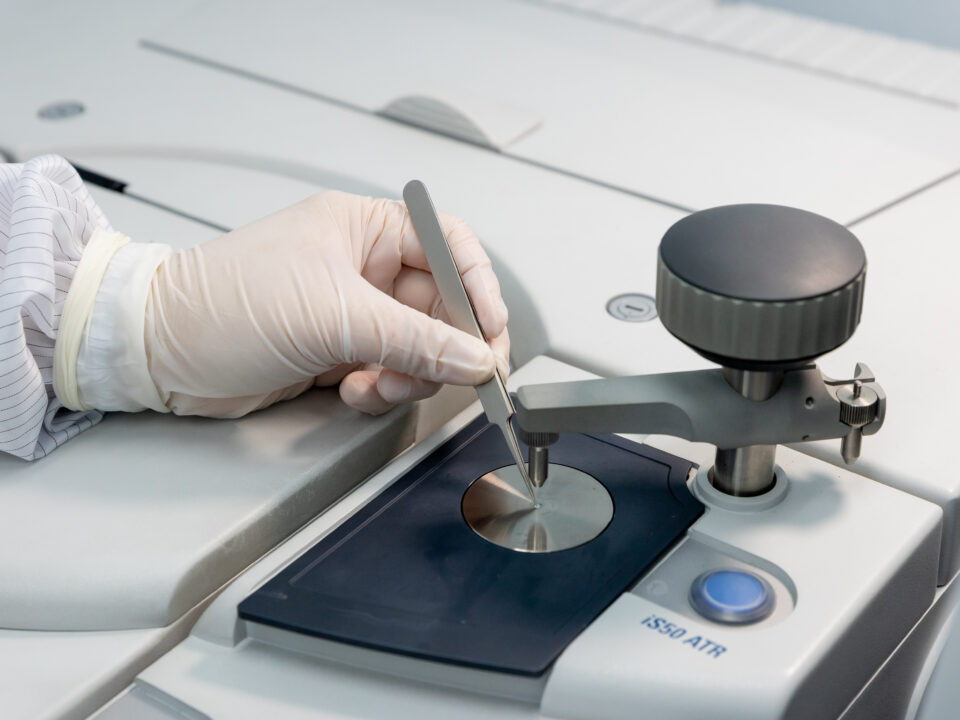
Introduction
In the modern automotive industry, component precision and reliability are paramount — particularly with the growing adoption of intelligent braking systems, high-pressure fuel systems, and electric vehicles. One critical aspect often overlooked is technical cleanliness: the control of micron-level particles that can cause blockages, wear, and damage to critical systems, ultimately leading to costly product recalls.
Establishing a Cleanliness Lab aligned with Tier 1 Automotive standards is therefore not merely a compliance requirement — it is a strategic risk management initiative.
What is a Cleanliness Lab?
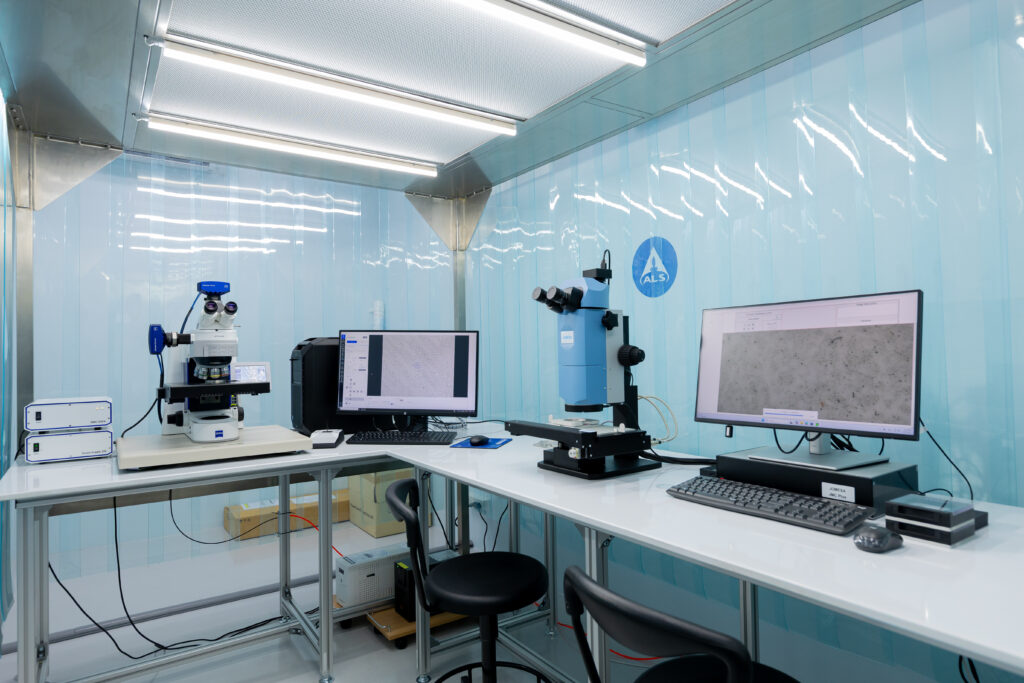
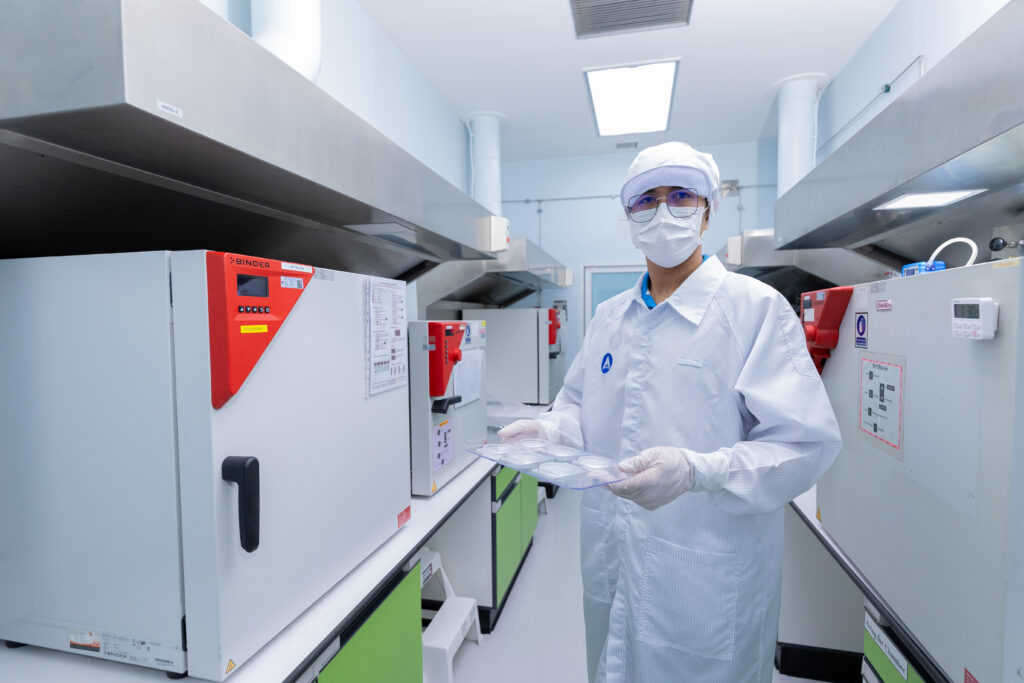
A Cleanliness Lab is a controlled laboratory facility designed to assess the cleanliness of automotive components through particle extraction and analysis, ensuring contamination levels remain within defined specifications.
For Tier 1 Suppliers, the lab functions as a quality gateway prior to OEM delivery — verifying product conformance, reducing rejection risk, and strengthening customer confidence. Applicable standards include ISO 16232 and VDA 19, both of which define systematic and reproducible testing methodologies. Organizations that meet these standards gain a competitive advantage within the global automotive supply chain.
Laboratory Infrastructure Requirements
Reliable test results depend on a well-designed facility. Key infrastructure elements include:
Cleanroom controlled to ISO Class 5–8
HEPA filtration system to minimize airborne particle levels
Positive pressure system to prevent external air ingress
Segregated zones for sample preparation, extraction, and analysis
One-way flow layout to minimize cross-contamination
Essential Equipment
Equipment
Function
Significance
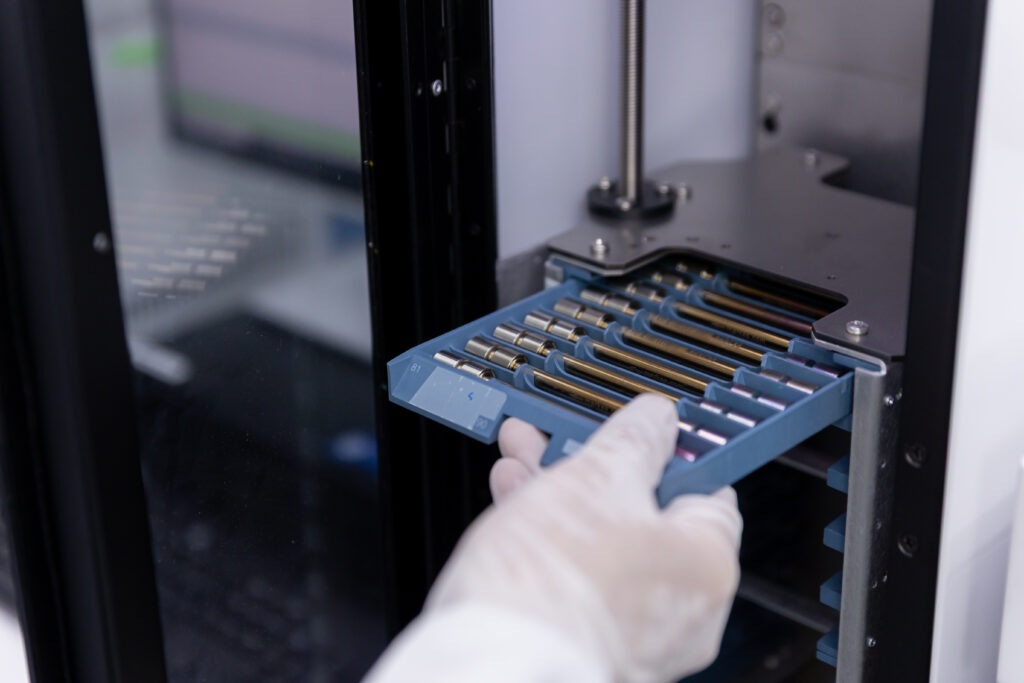
Particle Extraction System
Extracts particles from test components
Core step of the testing process
Microscope
Analyzes particle size and morphology
Enables detailed characterization
Particle Counter
Quantifies particle count
Comparison against standard limits
Vacuum Filtration Unit
Filters test samples
Prepares samples for analysis
Laminar Flow Cabinet
Controls local environment
Reduces contamination risk
Standard Testing Workflow
The cleanliness testing process comprises five core steps:
Sample Collection
Particle Extraction
Filtration
Analysis
Reporting
To ensure process reliability and integrity, the following must also be in place:
Clearly defined Standard Operating Procedures (SOPs)
Blank testing for quality control verification
Process validation
Traceability systems and data integrity controls
Personnel Competency
Despite advances in technology, personnel remain the most critical factor in Cleanliness Lab quality assurance. Required competencies include laboratory instrument operation, particle analysis techniques, and a working knowledge of ISO and VDA standards. Organizations must maintain continuous training, competency assessments, and periodic skill reviews.
Human factors also represent a significant contamination risk — including improper gowning, deviation from SOPs, and inappropriate behavior within the cleanroom — all of which can directly compromise test accuracy and overall system reliability.
Development Challenges
Building a Cleanliness Lab presents several challenges:
Capital investment for cleanroom construction and specialized equipment procurement
Standard complexity requiring expert knowledge for accurate interpretation and implementation
Upstream process control — an unstable manufacturing process limits the effectiveness of laboratory testing alone
Organizations are advised to develop both manufacturing controls and laboratory capabilities concurrently to achieve sustainable Tier 1 compliance.
Future Outlook: Smart Cleanliness Lab
The next generation of cleanliness laboratories is evolving toward intelligent, automated systems, incorporating:
AI-powered particle analysis
Automated microscopy
Real-time data connectivity
Integration with manufacturing execution and quality management systems enables end-to-end quality control, reducing cycle time, improving result consistency, and supporting compliance with increasingly stringent industry standards.
From Compliance to Competitive Advantage
A Cleanliness Lab is not merely a testing facility — it is an integral component of a holistic quality management system, spanning product design, manufacturing, and delivery. Organizations that establish a fully compliant Cleanliness Lab will be well-positioned to meet OEM requirements, reduce long-term operational risk, and sustain competitiveness in the global automotive market.
Investment in a Cleanliness Lab is an investment in long-term business sustainability.
FAQ
Is a Cleanliness Lab required for all manufacturing facilities? Not universally — however, it is essential for high-precision or safety-critical components, particularly in electric vehicle, electronics, and stringent-cleanliness applications.
How should an organization begin? Conduct a Gap Analysis against ISO 16232 and VDA 19, then develop a structured implementation plan covering facility design, equipment, and process requirements.
What is the estimated budget? Costs range from hundreds of thousands to several million baht, depending on lab scale, technology scope, and target compliance level.
How long does implementation take? Typically 3–12 months, subject to organizational readiness and system complexity.
What are common implementation mistakes? Inadequate facility design, unclear SOPs, insufficient personnel training, and failure to address upstream process control — resulting in test outcomes that do not reflect real-world conditions.
Read more