

Cleanliness Lab : Readiness for Tier 1 Automotive Standards

Chemical & Electronics Testing | Anion Test Specialist | ALS Testing Malaysia
April 24, 2026
ISO 16232 & Technical Cleanliness for EV Safety
May 6, 2026Cleanliness Lab : Readiness for Tier 1 Automotive Standards
Introduction
In the modern automotive industry, component precision and reliability are paramount — particularly with the growing adoption of intelligent braking systems, high-pressure fuel systems, and electric vehicles. One critical aspect often overlooked is technical cleanliness: the control of micron-level particles that can cause blockages, wear, and damage to critical systems, ultimately leading to costly product recalls.
Establishing a Cleanliness Lab aligned with Tier 1 Automotive standards is therefore not merely a compliance requirement — it is a strategic risk management initiative.
What is a Cleanliness Lab?
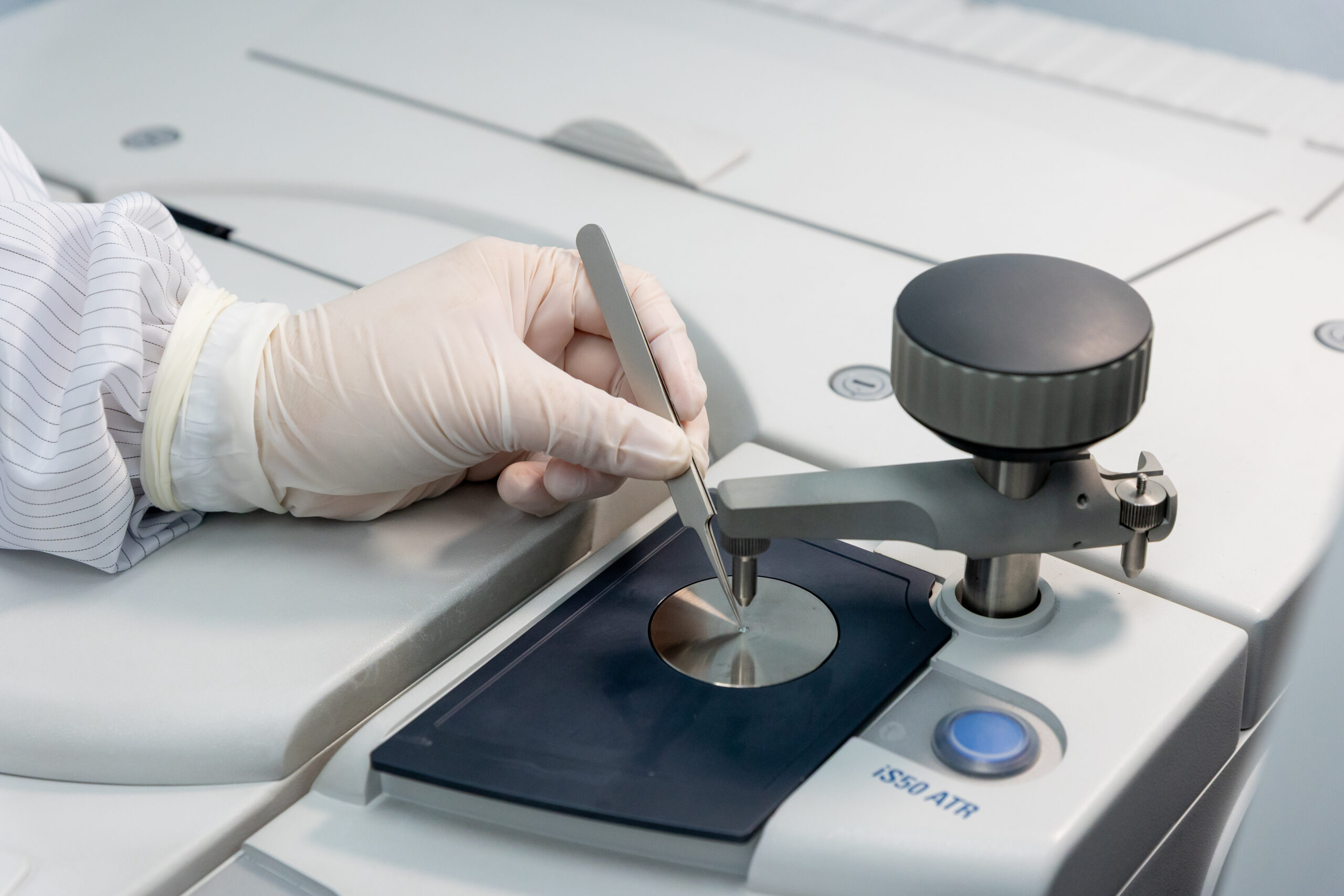
A Cleanliness Lab is a controlled laboratory facility designed to assess the cleanliness of automotive components through particle extraction and analysis, ensuring contamination levels remain within defined specifications.
For Tier 1 Suppliers, the lab functions as a quality gateway prior to OEM delivery — verifying product conformance, reducing rejection risk, and strengthening customer confidence. Applicable standards include ISO 16232 and VDA 19, both of which define systematic and reproducible testing methodologies. Organizations that meet these standards gain a competitive advantage within the global automotive supply chain.
Laboratory Infrastructure Requirements
Reliable test results depend on a well-designed facility. Key infrastructure elements include:
- Cleanroom controlled to ISO Class 5–8
- HEPA filtration system to minimize airborne particle levels
- Positive pressure system to prevent external air ingress
- Segregated zones for sample preparation, extraction, and analysis
- One-way flow layout to minimize cross-contamination
Essential Equipment
| Equipment | Function | Significance |
| Particle Extraction System | Extracts particles from test components | Core step of the testing process |
| Microscope | Analyzes particle size and morphology | Enables detailed characterization |
| Particle Counter | Quantifies particle count | Comparison against standard limits |
| Vacuum Filtration Unit | Filters test samples | Prepares samples for analysis |
| Laminar Flow Cabinet | Controls local environment | Reduces contamination risk |
Standard Testing Workflow
The cleanliness testing process comprises five core steps:
- Sample Collection
- Particle Extraction
- Filtration
- Analysis
- Reporting
To ensure process reliability and integrity, the following must also be in place:
- Clearly defined Standard Operating Procedures (SOPs)
- Blank testing for quality control verification
- Process validation
- Traceability systems and data integrity controls
Personnel Competency
Despite advances in technology, personnel remain the most critical factor in Cleanliness Lab quality assurance. Required competencies include laboratory instrument operation, particle analysis techniques, and a working knowledge of ISO and VDA standards. Organizations must maintain continuous training, competency assessments, and periodic skill reviews.
Human factors also represent a significant contamination risk — including improper gowning, deviation from SOPs, and inappropriate behavior within the cleanroom — all of which can directly compromise test accuracy and overall system reliability.
Development Challenges
Building a Cleanliness Lab presents several challenges:
- Capital investment for cleanroom construction and specialized equipment procurement
- Standard complexity requiring expert knowledge for accurate interpretation and implementation
- Upstream process control — an unstable manufacturing process limits the effectiveness of laboratory testing alone
Organizations are advised to develop both manufacturing controls and laboratory capabilities concurrently to achieve sustainable Tier 1 compliance.
Future Outlook: Smart Cleanliness Lab
The next generation of cleanliness laboratories is evolving toward intelligent, automated systems, incorporating:
- AI-powered particle analysis
- Automated microscopy
- Real-time data connectivity
Integration with manufacturing execution and quality management systems enables end-to-end quality control, reducing cycle time, improving result consistency, and supporting compliance with increasingly stringent industry standards.
From Compliance to Competitive Advantage
A Cleanliness Lab is not merely a testing facility — it is an integral component of a holistic quality management system, spanning product design, manufacturing, and delivery. Organizations that establish a fully compliant Cleanliness Lab will be well-positioned to meet OEM requirements, reduce long-term operational risk, and sustain competitiveness in the global automotive market.
Investment in a Cleanliness Lab is an investment in long-term business sustainability.
FAQ
Is a Cleanliness Lab required for all manufacturing facilities? Not universally — however, it is essential for high-precision or safety-critical components, particularly in electric vehicle, electronics, and stringent-cleanliness applications.
How should an organization begin? Conduct a Gap Analysis against ISO 16232 and VDA 19, then develop a structured implementation plan covering facility design, equipment, and process requirements.
What is the estimated budget? Costs range from hundreds of thousands to several million baht, depending on lab scale, technology scope, and target compliance level.
How long does implementation take? Typically 3–12 months, subject to organizational readiness and system complexity.
What are common implementation mistakes? Inadequate facility design, unclear SOPs, insufficient personnel training, and failure to address upstream process control — resulting in test outcomes that do not reflect real-world conditions.

