

ESG and Volatile Organic Compound (VOC) Analysis: The Importance of Verifiable Data

Product Quality and Safety Through GC-MS Analysis
October 8, 2026ESG and Volatile Organic Compound (VOC) Analysis: The Importance of Verifiable Data

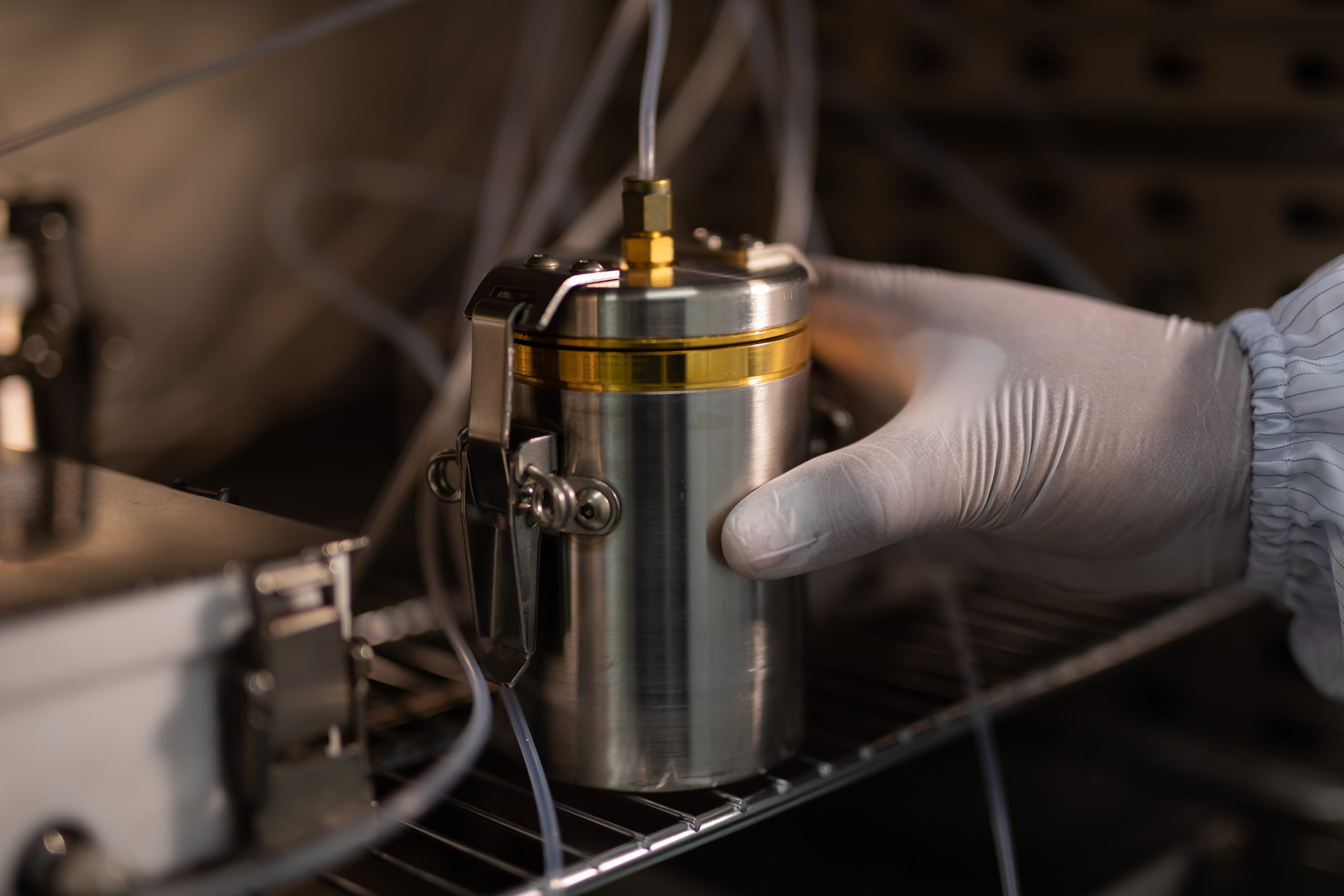

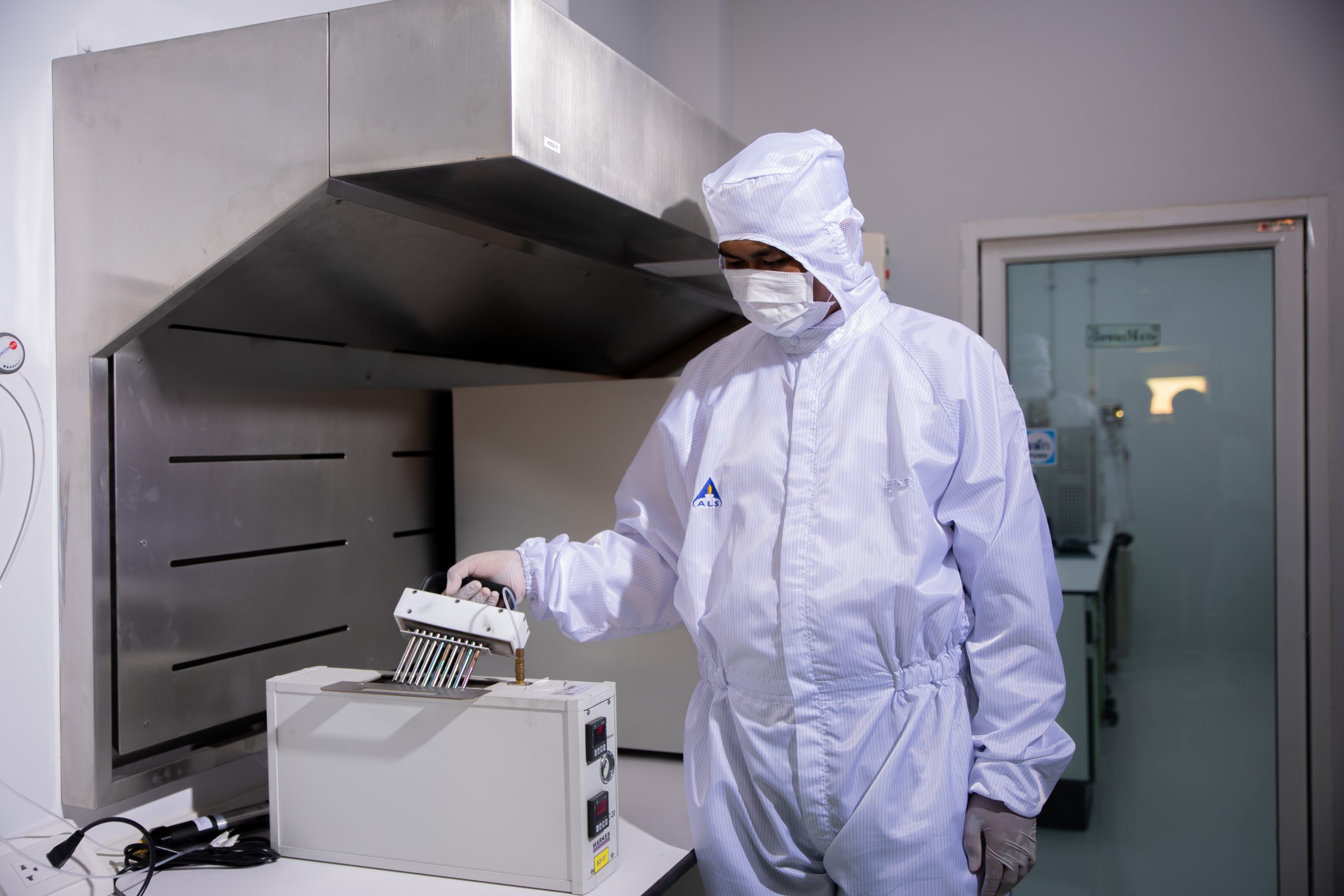
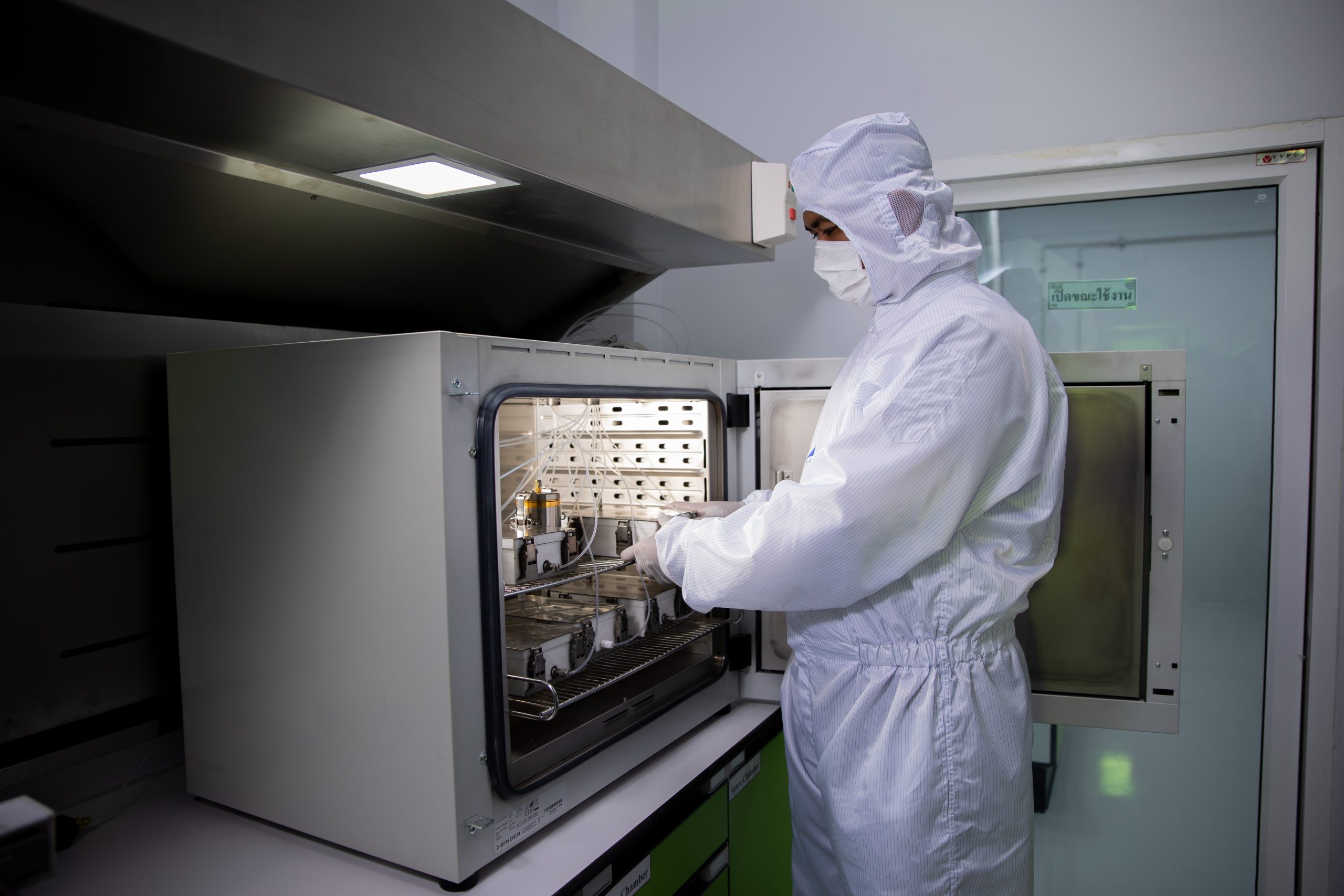
ESG—Environmental, Social, and Governance—is a framework for assessing an organisation’s sustainability performance, with increasing emphasis on environmental, social, and governance data. Many industrial organisations are therefore required to prepare reports and disclose information that can be independently verified.
One important environmental indicator is volatile organic compounds (VOCs), which are directly associated with air quality, worker health, and emissions control.
The Role of Volatile Organic Compounds (VOCs) in the ESG Context

Volatile organic compounds (VOCs) are a group of chemicals that evaporate readily at room temperature. They can be found in manufacturing processes, fuel combustion, and a wide range of industrial activities.
VOC emissions may affect both air quality and workers’ health. In the context of ESG, VOCs are relevant to all three dimensions:
- Environmental: Monitoring VOC levels reflects the effectiveness of an organisation’s emissions-control measures.
- Social: VOC management is associated with occupational health and worker safety.
- Governance: Accurate and verifiable VOC reporting demonstrates organisational transparency.
VOC data therefore represents more than technical concentration measurements. It forms part of the overall assessment of an organisation’s sustainability and corporate responsibility.
The Importance of Accuracy in VOC Analysis

Assessing VOC levels requires both appropriate sampling and accurate analysis. Portable instruments such as photoionisation detectors (PIDs) can rapidly screen overall VOC levels. However, identifying specific compounds and producing formal analytical reports requires laboratory analysis.
Technologies commonly used for VOC analysis include:
- GC-MS (Gas Chromatography–Mass Spectrometry): Used to separate and accurately identify individual compounds.
- HSGC (Headspace Gas Chromatography): Used to analyse VOCs in water.
- SPE (Solid-Phase Extraction): Used to prepare soil and water samples before analysis.
The accuracy of analytical results does not depend solely on the instruments used. It also depends on sampling and sample-preservation procedures, as well as the laboratory’s quality-control system. If these processes are inappropriate, the results may be inaccurate and could affect risk assessments.
In the ESG context, data used in reporting should be traceable and sufficiently reliable to be accepted both domestically and internationally.
VOC Analysis in Air, Water, and Soil
VOCs can be present in various environmental media. The analytical approach must therefore be selected according to the characteristics of each sample type.
VOC Analysis in Air
Air samples may be collected using sorbent-based methods or continuous sampling techniques. The samples are subsequently analysed using GC-MS to identify and quantify the compounds present.
Assessing VOC levels in air is important for controlling air quality in workplaces and industrial areas.
VOC Analysis in Water
Because VOCs evaporate easily, water samples must be collected in tightly sealed containers, with precautions taken to minimise losses during transportation.
HSGC may be used in combination with GC-MS to obtain accurate results. The data is important for assessing water quality and determining whether water is safe for consumption or other intended uses.
VOC Analysis in Soil
At sites with a history of contamination from industrial activities, collecting soil samples from multiple locations helps provide comprehensive information.
Soil samples are commonly prepared using SPE before being analysed by GC-MS. The analytical results can be used to assess long-term environmental and health risks.
Verifiable Data and the Laboratory’s Role in the ESG Context
Under the ESG framework—particularly the Environmental and Governance dimensions—environmental data must be accurate and traceable. Laboratories therefore play an important role in ensuring that VOC analysis results are reliable.
Quality control, instrument calibration, and systematic documentation help ensure that analytical results can be used transparently for:
- ESG and sustainability reporting
- Submissions to regulatory authorities
- Communication with stakeholders
In the ESG context, analytical figures are therefore more than concentration values. They are evidence of an organisation’s responsibility, transparency, and commitment to sustainability.
For more information: https://www.alstesting.co.th/volatile-organic-compounds-vocs/


