

Product Quality and Safety Through GC-MS Analysis

Understanding Salt Spray Testing
October 8, 2026
ESG and Volatile Organic Compound (VOC) Analysis: The Importance of Verifiable Data
October 8, 2026Product Quality and Safety Through GC-MS Analysis
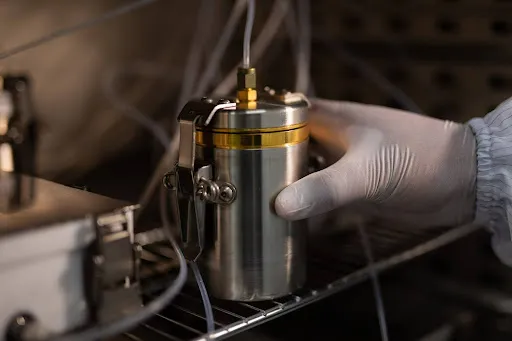
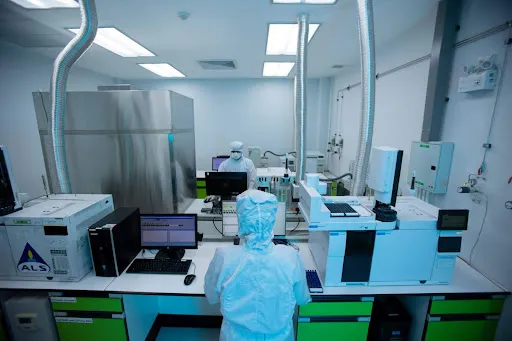
Ensuring Product Quality and Safety Through GC-MS Analysis
In an era when quality control and product safety are essential for every business, accurate and comprehensive chemical analysis techniques such as GC-MS (Gas Chromatography–Mass Spectrometry) have become important tools that help businesses ensure the quality and safety of their products.
In this article, we introduce GC-MS and explain why businesses across various industries—particularly the food industry—should place importance on this type of testing. We also introduce GC-MS testing services from ALS Testing Services (Thailand), which supports businesses with advanced technology and internationally recognised expertise.
The Four-Step GC-MS Testing Process for Product Quality and Safety
GC-MS is a chemical analysis technique that combines two analytical instruments:
- GC (Gas Chromatography): Separates the different compounds in a sample into individual components
- MS (Mass Spectrometry): Analyses and identifies each compound by measuring its mass and chemical structure
This technique enables compounds in a sample to be identified and quantified in a detailed, accurate, and rapid manner.
1. Sample Injection
The first step is to prepare and inject the sample into the GC instrument. In general, the sample is prepared in liquid or gaseous form and then injected into the system using an automated injector that precisely controls the sample volume.
The carrier gas transports the sample into the separation column. Temperature and pressure are carefully controlled during this stage to preserve the integrity of the sample and ensure accurate analytical results.
2. Separation of Compounds
Once the sample enters the separation column, it passes through a specialised coating inside a very long and narrow tube. A carrier gas helps move the compounds through the column.
Because different compounds interact differently with the column surface and have different boiling points, they travel through the column at different rates and are separated from one another.
This process is similar to filtering a mixture into its individual components, allowing each substance to be accurately analysed in the next stage.
3. Detection of Compounds
After the compounds have been separated in the GC column, they are transferred to the MS instrument. The MS converts the molecules into ions through an ionisation process using electrical energy or light.
The instrument then measures the mass of each ion by separating them according to their mass-to-charge ratio.
4. Data Analysis and Compound Identification
The results from the MS instrument are converted into a mass spectrum, which shows the distribution of ions according to their mass and signal intensity.
Data-analysis software compares this spectrum with standard databases containing the mass signatures of numerous chemical substances. This enables the compounds present in the sample to be identified.
The concentration of each compound can also be accurately calculated based on the intensity of the detected signal. This information is essential for evaluating product quality and safety.
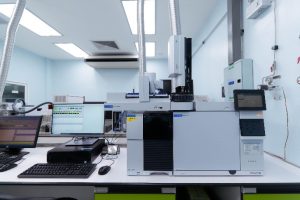
The Importance of GC-MS Analysis
GC-MS plays an important role in many industries, including food and beverages, pharmaceuticals, environmental testing, and chemical manufacturing.
It enables businesses to effectively monitor and control product quality, prevent risks associated with residues or hazardous substances, and comply with stringent legal requirements and international standards.
Detailed Analysis of Chemicals and Contaminants
GC-MS can detect a wide range of complex organic compounds at very low concentrations, including:
- Chemical residues in food
- Environmental toxins
- Contaminants in medical products
- Residual solvents and other unwanted substances
Supporting Product Quality and Safety
Businesses that manufacture products requiring high safety standards—such as food, cosmetics, pharmaceuticals, and medical devices—must ensure that their products are free from hazardous substances and contamination.
Accurate GC-MS testing provides confidence that products meet the required standards and are safe for consumers.
Supporting Compliance with Legal and International Standards
Many countries and industries require testing for chemical residues and contaminants in accordance with strict standards.
GC-MS is a key analytical tool that helps businesses meet these requirements, reducing the risk of regulatory penalties, product rejection, or product recalls.
Strengthening Competitive Advantage
Accurate and clear analytical data enables businesses to communicate the safety and quality of their products to customers and business partners with confidence.
This helps build trust, strengthen business relationships, and support sustainable market expansion.
Key Features of ALS Testing’s GC-MS Services
High Accuracy Through Advanced Equipment and International Standards
ALS Testing uses advanced and high-performance GC-MS technology, together with strict quality-control systems that comply with ISO/IEC 17025, the international standard for testing and calibration laboratories.
This ensures that test results are accurate, reliable, traceable, and internationally recognised.
Comprehensive Services from Sample Receipt to Final Report
We provide an end-to-end service covering every stage of the testing process, including:
- Professional sample receipt and preparation
- Analysis using advanced instrumentation
- Preparation of detailed, clear, and easy-to-understand reports
This enables customers to apply the results immediately to their quality-control and production-improvement processes.
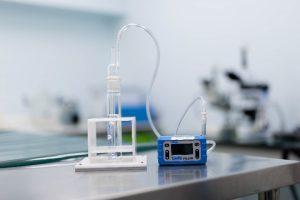
Supports a Wide Range of Sample Types
Our GC-MS services support the analysis of a wide variety of samples, including:
- Food
- Water
- Soil
- Air
- Cosmetics
- Industrial products
- Other materials from a wide range of business sectors
This allows us to meet the testing requirements of customers across diverse industries.
In-Depth Technical Consultation
The ALS Testing expert team provides consultation and detailed explanations of analytical results. This helps customers understand the data and apply the findings to improve manufacturing processes and quality-control systems.
As a result, businesses can raise product standards and strengthen their competitiveness in the market.
Test Your Products with Internationally Standardised GC-MS Services from ALS Testing
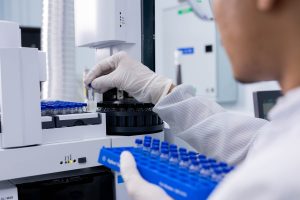
GC-MS is an important and highly accurate chemical analysis technique that enables businesses to effectively verify product quality and safety.
Prioritising this type of testing helps reduce production risks and increase confidence in the marketplace.
With extensive experience and advanced technology, ALS Testing Services (Thailand) is a trusted partner for comprehensive GC-MS testing services that comply with international standards.
Work with ALS Testing to advance your business towards excellence in product quality and safety—and establish a new standard of confidence for your organisation.


