News & Promotion
- โชว์สินค้าทั้งหมด
- No categories
September 1, 2026
Technical Cleanliness · ISO 16232 · EV Battery Thermal Management · Particle Extraction · Cleanliness Classification
ISO/IEC 17025 Accredited Testing Where Applicable | ISO 16232 and VDA 19 Capability | EV Component Testing Support
Background
[PLACEHOLDER: Insert 2-3 sentences describing the client. Example structure below — to be replaced with real data]
A [Tier-1 supplier / OEM / component manufacturer] producing [component type, e.g. battery cooling manifolds / thermal management plates / coolant distribution components] for [EV platform / programme type] required cleanliness testing of [component description] before delivery to [customer / assembly plant].
The cleanliness requirement was defined by [OEM specification / internal quality requirement / customer purchase specification], specifying [cleanliness class or particle limits] for components destined for [application, e.g. battery thermal management circuits / high-voltage cooling systems].
Why Cleanliness Matters for EV Battery Components
Electric vehicle battery systems introduce cleanliness requirements that go beyond those applied to conventional powertrain components. The reasons are specific to the thermal management architecture of lithium-ion battery packs.
Battery thermal management systems circulate a cooling fluid through a network of channels machined or formed into battery modules, cell holders, and cooling plates. These channels are often narrow, the fluid flow rates are precisely controlled, and the thermal performance of the system depends on consistent, unrestricted flow. A particle that would cause no functional problem in a large-bore hydraulic circuit can restrict flow, create a hotspot, or damage a pump seal in a battery cooling circuit.
Beyond thermal management, cleanliness is increasingly relevant to high-voltage battery assemblies where conductive particles, particularly metallic particles, can bridge insulation gaps and create safety-critical short circuit risks. This is why some EV OEMs are extending cleanliness requirements from hydraulic and fuel system components to battery assembly components, applying ISO 16232 or VDA 19 particle limits to components that had no cleanliness specification requirement in conventional powertrain programmes.
The Testing Requirement
[PLACEHOLDER: Insert specific requirement details]
The applicable standard was [ISO 16232 / VDA 19 / both].
The specified cleanliness requirement was [insert cleanliness class or particle count limits, e.g. maximum X particles above Y µm per 1,000 cm²].
The components submitted for testing were [insert component description, e.g. aluminium coolant manifolds / extruded cooling plates / injection-moulded coolant distribution components], with a functional surface area of approximately [X cm²] per component.
[Number] components were submitted from [production lot / qualification batch / process validation run].
Approach
Extraction Method Selection
[PLACEHOLDER: Insert actual extraction method used and rationale]
The geometry of the component determined the extraction method. [Insert one of: Pressure rinsing was selected because the component contained internal channels with defined inlet and outlet ports, allowing a controlled solvent flow path. / Ultrasonic extraction was selected because the component had complex surface geometry and recesses that pressure rinsing could not reach effectively. / Agitation was selected based on component size and the accessible nature of the relevant surfaces.]
A blank test was performed before component extraction to confirm that the extraction equipment, solvent, and filtration setup contributed particle counts below the defined blank acceptance level.
Analysis
After extraction, the solvent was filtered through a [5 µm] nylon membrane. The membrane was dried and weighed for gravimetric analysis. The extracted particles were re-suspended and run through the LPC instrument for size distribution counting. The membrane was then examined under the calibrated microscope for particle classification by type: metallic shiny, metallic non-shiny, fibre, and other non-metallic.
[PLACEHOLDER: Add SEM-EDX step if applicable] [SEM-EDX analysis was applied to [X] particles above [Y µm] as required by the specification, to provide elemental identification of the largest metallic shiny particles found.]
Results
[PLACEHOLDER: Insert actual test results — requires real data]
Gravimetric result: [X mg / 1,000 cm²]
LPC size distribution
Size class
Particles per 1,000 cm²
Specification limit
[B: 5–15 µm]
[result]
[limit or N/A]
[C: 15–25 µm]
[result]
[limit or N/A]
[D: 25–50 µm]
[result]
[limit or N/A]
[E: 50–100 µm]
[result]
[limit or N/A]
[F: 100–150 µm]
[result]
[limit or N/A]
[G: 150–200 µm]
[result]
[limit or N/A]
[H: 200–400 µm]
[result]
[limit or N/A]
Largest metallic shiny particle: [X µm] Largest non-metallic particle: [X µm] Longest fibre: [X µm]
Component Cleanliness Code: [CCC result]
Overall result: [Pass / Fail / Conditional pass with comment]
[PLACEHOLDER: Add 2-3 sentences on what the results showed, e.g. whether the components passed, whether any size class was close to the limit, and any notable finding from particle classification]
What the Results Showed
[PLACEHOLDER: Insert 2-3 sentences summarising findings and outcome]
[Example structure: The results confirmed that all [X] components met the specified cleanliness class in all size ranges above [Y µm]. The largest metallic shiny particle measured [X µm], below the [Y µm] critical particle threshold defined in the specification. The components were released for [delivery / assembly / customer submission].]
[OR if there was a finding: The initial results identified [describe finding]. This was traced to [source — e.g. a specific machining step / packaging material / handling practice], and the supplier implemented [corrective action]. Retesting after corrective action confirmed that the component met the specified cleanliness class.]
Relevance to EV Cleanliness Testing
This type of investigation reflects a broader trend in EV component qualification. As battery thermal management system designs become more complex and cleanliness requirements extend from conventional powertrain components to EV-specific parts, the analytical workflow developed for ISO 16232 and VDA 19 testing is being applied to component geometries and material types that were not part of traditional cleanliness testing programmes.
ALS has been providing technical cleanliness testing to ISO 16232 and VDA 19 since 2014, with ISO/IEC 17025 accreditation since 2019. As EV production scales across Malaysia and Southeast Asia, the cleanliness testing capability developed for conventional automotive components is directly applicable to EV battery system components, providing Tier-1 suppliers and OEM assembly programmes with the accredited cleanliness data they need for qualification and process validation.
Frequently Asked Questions
Does ISO 16232 apply to EV battery components or only to conventional powertrain parts?
ISO 16232 is applicable to any automotive component where particulate contamination poses a functional risk. The standard does not restrict application to conventional powertrain components. As EV OEMs define cleanliness specifications for battery thermal management and high-voltage assembly components, ISO 16232 provides the established test framework for demonstrating compliance. In practice, the specific cleanliness limits for EV components are defined by the OEM or customer specification, not by ISO 16232 itself.
What extraction method is typically used for EV battery cooling components?
The extraction method depends on the geometry of the specific component. Cooling manifolds and plates with internal channels and defined flow paths are typically tested by pressure rinsing, which forces solvent through the internal channels under controlled pressure. Components with more complex external geometry or recessed features may be tested by ultrasonic extraction. The extraction method is validated for each component type before production testing begins.
Can ALS test EV battery components for cleanliness under ISO/IEC 17025 accreditation?
Yes. ALS Testing provides technical cleanliness testing to ISO 16232 and VDA 19 under ISO/IEC 17025 accreditation. For testing where accredited results are specifically required, confirm the exact method and scope with the laboratory at the enquiry stage.
Next Steps
See our full Automotive Testing services including EV component testing
See our Technical Cleanliness Testing services for ISO 16232 and VDA 19
Contact our team to discuss EV component cleanliness testing requirements
ISO/IEC 17025 Accredited Testing Where Applicable | ISO 16232 and VDA 19 Capability | EV Component Cleanliness Testing Support
Read moreSeptember 1, 2026
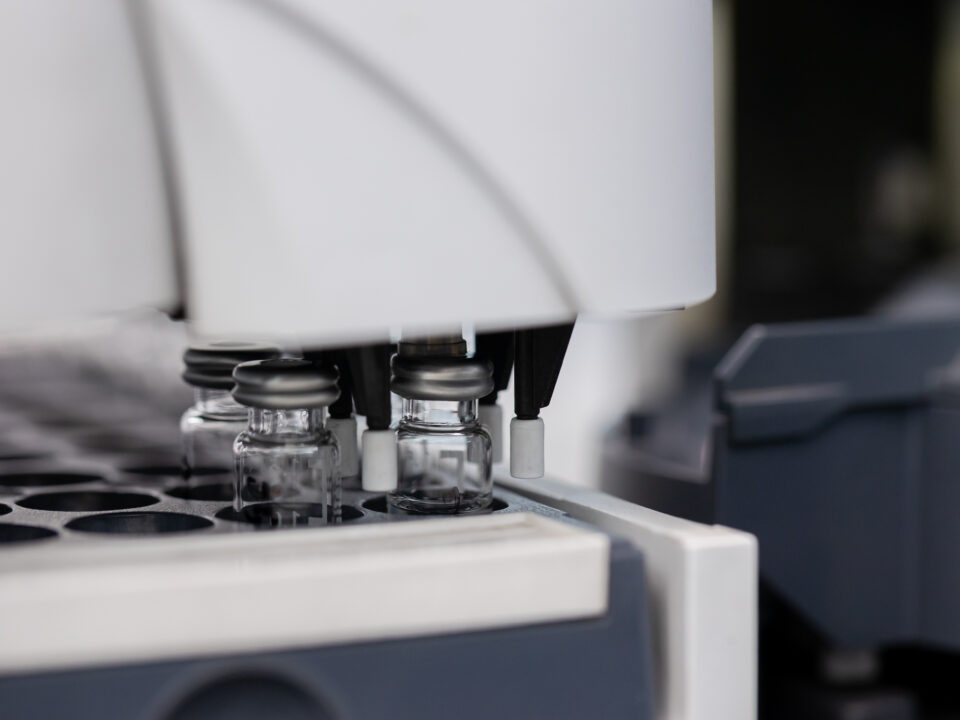
Interior Air Quality · Health and Regulatory Context · OEM Qualification · VDA 278 · ISO 12219
ISO/IEC 17025 Accredited Testing Where Applicable | VDA 278 and ISO 12219 Capability | Automotive Materials Specialist
The smell of a new vehicle is one of the most recognisable sensory experiences in the automotive market. What produces that smell is less well understood. It is the combined off-gassing of dozens of organic compounds released by interior materials: adhesives, foam components, trim polymers, coatings, and carpet binders, all emitting volatile compounds into the confined air space of the cabin.
Most of these compounds dissipate quickly and are present at concentrations that raise no immediate health concern. A smaller number, including formaldehyde, benzene, toluene, and certain carbonyl compounds, are associated with health effects at elevated concentrations, and it is these compounds that have driven the development of automotive VOC emission standards and the testing requirements that OEMs impose on their material suppliers.
This guide explains what VOCs are, which compounds matter most from a health perspective, and how automotive testing standards address them.
What Are VOCs and Where Do They Come From in Automotive Interiors
VOC stands for volatile organic compound. The term describes carbon-based chemicals that evaporate readily at room or slightly elevated temperatures, releasing into the surrounding air. In a vehicle cabin, the materials that contribute most significantly to VOC concentrations include the following.
Material
Primary VOC contributors
Instrument panels and dashboard covers
Aromatic hydrocarbons, plasticisers
Seat foam (polyurethane)
Amine compounds, aldehydes, TDI residues
Headliners and roof lining
Formaldehyde from binder resins, aldehyde compounds
Floor carpets and underfelt
Formaldehyde from latex binders, styrene
Adhesives and sealants
Residual solvents, monomers
Door trim panels
Aromatic hydrocarbons, plasticisers
Wire insulation
Plasticisers, flame retardant emissions
VOC emissions are highest immediately after manufacture, when residual processing chemicals and unreacted monomers are still volatilising. Concentrations decrease significantly over the first weeks and months of vehicle use as the materials off-gas and the residual compounds are depleted. This pattern, sometimes described as the new car smell diminishing with time, reflects the natural decline in VOC emission rates as materials approach equilibrium.
Health Context, Which Compounds Are of Concern
Not all VOCs carry the same health significance. At the concentrations typically found in vehicle cabins, most compounds are not associated with acute health effects. A smaller number are subject to regulatory limits or OEM-specified thresholds because of their established health associations.
Compound
Health association
Why it matters in automotive
Formaldehyde
Known human carcinogen at high concentrations, irritation at lower levels
Emitted by adhesive resins, textile binders, and foam systems. Subject to dedicated test method VDA 275 alongside VDA 278
Benzene
Known human carcinogen
Present as residual impurity in aromatic solvents and some polymer processing materials
Toluene and xylene
Neurological effects at high occupational concentrations
Tracked as part of total aromatic hydrocarbon group limits in OEM specifications
Acetaldehyde
Irritation effects, possible human carcinogen
Emitted by some adhesive systems and polyurethane foam formulations
Amine compounds
Hygroscopic and irritation-promoting properties
Indicate insufficiently deactivated catalyst residues in polyurethane foam
OEM limits applied in automotive material testing are precautionary thresholds set to ensure that even sensitive individuals, including children and those who spend significant time in vehicles, are not exposed to compounds of concern at levels that could cause harm over a vehicle service life of ten years or more.
Regulatory Context in Key Markets
Market
Regulatory status
Key standard or framework
China
Legally binding
GB/T 27630, limits benzene, toluene, xylene, ethylbenzene, styrene, formaldehyde, acetaldehyde, and acrolein
European Union
No single binding regulation
German OEMs impose limits through material specifications referencing VDA 278
Malaysia and Southeast Asia
No direct regulatory requirement
Suppliers serving global OEM supply chains face OEM-imposed specifications regardless of manufacturing location
How VOC Testing Standards Address These Concerns
OEMs define maximum permissible emission limits for specific compounds and compound groups, requiring material suppliers to test against these limits before production approval. The primary standards used for material qualification are:
VDA 278 uses thermal desorption GC-MS to measure VOC and FOG emissions from a material sample, producing a compound-by-compound profile for pass or fail assessment against OEM-specified limits
VDA 275 addresses formaldehyde specifically using a bottle method that provides better sensitivity and specificity than the general thermal desorption approach
ISO 12219-1 covers vehicle-level cabin air testing using the bag method, conducted by the OEM rather than the material supplier
ISO 12219-2 to 12219-7 cover component-level chamber methods used for material qualification at the supplier stage
For aldehyde-specific determination at higher sensitivity, DNPH-HPLC is applied where the specification requires it, providing individual aldehyde quantification beyond the practical range of thermal desorption GC-MS. For a detailed guide to VDA 278 and related standards, see our VOC testing guide.
Common Failure Causes and How to Address Them
Understanding why materials fail VOC tests is as useful as understanding what the tests measure.
Residual processing solvents from adhesives, coatings, and laminates that have not been fully cured or dried before testing are among the most common causes. The corrective action is process optimisation to ensure adequate drying or curing conditions before material dispatch.
Plasticiser migration contributes to the FOG fraction at the 120°C stage in VDA 278. PVC-based and plasticised polymer materials release high-boiling compounds during this stage. Reformulation with lower-emission plasticisers or reduction of plasticiser loading is the typical response.
Formaldehyde from binder resins is a recurring issue in headliners, floor carpets, and foam materials using formaldehyde-based chemistry. Low-emission or formaldehyde-free binder alternatives are available for most applications.
Amine compounds from polyurethane foam indicate incomplete urethane reaction chemistry. Catalyst selection and foam curing conditions affect amine emission levels significantly.
Background contamination from conditioning environments or packaging can elevate results independently of the material itself. Clean conditioning in VOC-free environments using clean packaging materials is essential preparation.
Frequently Asked Questions
Why do OEMs impose VOC limits on materials rather than testing the complete vehicle?
Testing at the material level allows problems to be identified and corrected early in the supply chain, before materials are incorporated into a vehicle. If a trim material fails its VOC qualification, the supplier can reformulate and retest before the material reaches the assembly plant. Vehicle-level testing, such as the GB/T 27630 method in China, occurs at a much later stage and is not a substitute for material-level qualification in OEM supply chains.
Does VOC testing apply to all materials in the vehicle cabin?
In principle, any non-metallic material in the cabin is a candidate. In practice, the materials subject to mandatory VOC testing are defined by the OEM material specification or supplier quality manual for each programme. Materials with high emission potential or large surface area in the cabin, such as instrument panels, seat foams, headliners, and floor carpets, are typically subject to the most stringent requirements.
Is the new car smell itself harmful?
At the concentrations normally found in new vehicles from manufacturers who apply OEM VOC specifications, the compounds responsible for the new car smell are present at levels that are not considered acutely harmful. The health concern relates to prolonged exposure to elevated concentrations of specific compounds, which is why OEM material limits are set conservatively with a long service life in mind. The decline in the smell over time reflects the natural reduction in VOC emission rates as residual compounds are depleted.
What is the difference between VOC testing and fogging testing?
VOC testing measures the volatile organic compounds that evaporate into cabin air and affect air quality. Fogging testing measures the condensable semi-volatile compounds that deposit as a visible film on the windscreen. Both are emission tests on interior materials, but they address different fractions of the emission profile, different health and safety concerns, and use different test methods. Most German OEM specifications require both.
Next Steps
See our full Materials and Environmental Testing services for automotive interior materials
Read our detailed guide on VOC testing for automotive interiors including VDA 278, ISO 12219, and fogging
Read our detailed VDA 278 testing guide: /blog/vda-278-thermal-desorption-testing/
Contact our team for a VOC testing quotation or technical discussion
ISO/IEC 17025 Accredited Testing Where Applicable | VDA 278 and ISO 12219 Capability | Automotive Interior Materials Specialist
Read moreSeptember 1, 2026
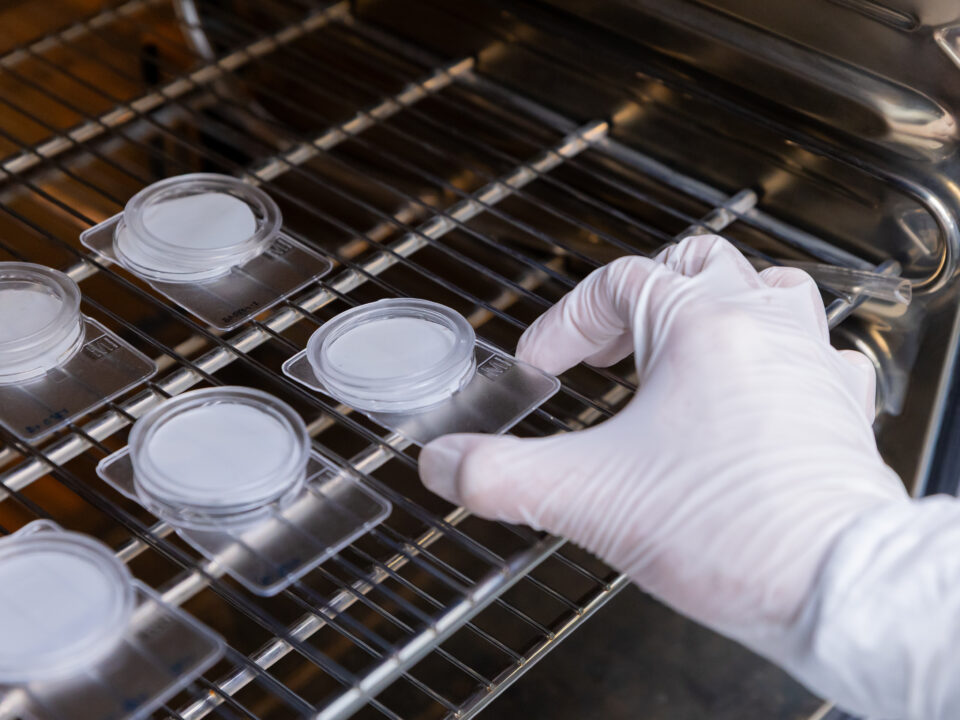
Particle Size Distribution · Cleanliness Classification · ISO 16232 · VDA 19 · Light Obscuration Counting
ISO/IEC 17025 Accredited Testing Where Applicable | LPC and Full Particle Analysis Capability | Automotive Cleanliness Specialist
Gravimetric analysis tells you how much particle contamination is present by total mass. Liquid-borne particle counting tells you how that contamination is distributed across size ranges. In most automotive cleanliness specifications, it is the size distribution data, not the total mass, that determines whether a component passes or fails.
Liquid-borne particle count (LPC) is the analytical step that generates this size distribution. It is a required element of technical cleanliness testing under ISO 16232 and VDA 19, and it is the method that translates extracted particle contamination into the cleanliness classification your OEM specification requires.
What Liquid-Borne Particle Counting Measures
LPC measures the number of particles present in a liquid suspension within defined size ranges. In automotive cleanliness testing, the liquid is the extraction solvent that has been used to remove particles from a component, filtered onto a membrane to collect the particles, and then re-suspended in clean solvent for analysis.
The instrument passes this particle suspension through a measurement cell where a laser beam intersects the flow path. As each particle passes through the beam, it obstructs a portion of the light, causing a brief reduction in the light signal detected on the far side. The instrument measures the magnitude of this light reduction, which correlates with particle size, and records the event as a count in the appropriate size class.
The result is a particle size distribution: the number of particles counted in each defined size range, expressed as particles per unit surface area of the component tested. This distribution is the core data used to assign the cleanliness classification under ISO 16232 or VDA 19.
Why LPC and Gravimetric Analysis Are Used Together
Gravimetric analysis and LPC are complementary measurements that answer different questions about the same particle contamination.
Measurement
What it shows
Limitation
Gravimetric analysis
Total mass of all extracted particles
Cannot distinguish size distribution or individual large particles
Liquid-borne particle count (LPC)
Number of particles in each size class
Does not show total mass or particle material
A component may pass the gravimetric mass limit while still containing one or two oversized particles that exceed the size class limit and trigger a cleanliness failure. A component may show a high total particle count in the smallest size class while all larger size classes are within specification, which may be entirely acceptable depending on the OEM requirement.
Neither measurement alone gives the complete picture that a cleanliness specification requires. ISO 16232 and VDA 19 require both, and the LPC size distribution data is what generates the cleanliness class that appears on the test report.
How LPC Fits into the ISO 16232 and VDA 19 Workflow
LPC is performed after particle extraction and filtration, and before or alongside microscopic particle classification.
The sequence is as follows. Particles are extracted from the component using the validated extraction method for that component type. The extraction solvent is filtered through a membrane with a defined pore size, collecting the particles. The membrane is dried and weighed for gravimetric analysis. The particles on the membrane are then re-suspended in a defined volume of clean solvent and the resulting suspension is run through the LPC instrument.
The LPC result, combined with the gravimetric mass and the microscopic classification data, forms the basis of the Component Cleanliness Code (CCC) that is reported to the OEM or customer. The size classes defined in ISO 16232 and VDA 19 cover a range from particles above 5 or 50 micrometres at the lower end, depending on the analysis type specified, up through multiple ranges to particles above 1,000 micrometres.
For a detailed explanation of the full cleanliness testing workflow, see our guide on particle analysis in automotive manufacturing.
LPC in Fluid Cleanliness Testing
LPC is also applied to fluid cleanliness monitoring in hydraulic systems, fuel systems, and cooling circuits, where the liquid tested is the operating fluid itself rather than an extraction solvent.
Category
Component Cleanliness Testing
Fluid Cleanliness Monitoring
Standard
ISO 16232, VDA 19
ISO 4406 and equivalent
Sample
Extraction solvent from component
Operating fluid drawn from system
Purpose
Characterises particles a component releases into a system on first assembly
Characterises ongoing contamination level during service
When applied
Qualification and production testing
Commissioning, service monitoring
Result format
Cleanliness classification (CCC)
Three-number code per ISO 4406
Both use LPC as the core measurement, but the sample preparation, reference standards, and acceptance criteria are different.
What Affects LPC Result Accuracy
LPC results are sensitive to several factors that must be controlled during sample preparation and analysis.
Re-suspension quality. Particles on the membrane must be fully and uniformly re-suspended. If re-suspension is incomplete, the count will be lower than the actual contamination level.
Background particle counts. Solvent, glassware, and instrument must be verified clean. A blank count is performed before or alongside the sample to confirm the analysis environment is not contributing particles that would distort the result.
Analysis volume accuracy. The volume of suspension analysed must be recorded and used correctly in calculating the final result per unit surface area. Errors in volume translate directly into errors in the reported count.
Sample stability. Agglomeration of particles during any delay between extraction and analysis can shift the apparent size distribution toward larger sizes, reducing the count in smaller size classes.
Frequently Asked Questions
What is the difference between LPC and optical microscopy for particle counting?
LPC counts particles automatically using light obscuration as they pass through the measurement cell in liquid suspension, providing fast, statistically representative counts across the full size distribution. Optical microscopy examines particles on the filter membrane directly, allowing visual classification by type (metallic shiny, non-metallic, fibre) and morphology, but typically covers a smaller sample area. Both methods are required under ISO 16232 and VDA 19: LPC for the size distribution count and microscopic analysis for particle type classification.
Can LPC identify the type of particles counted?
No. LPC counts and sizes particles based on light obscuration but cannot identify whether a particle is metallic, non-metallic, a fibre, or any specific material type. Particle type classification requires microscopic examination of the filter membrane. Material identification of specific particles requires SEM-EDX or FTIR analysis.
What size particles does LPC detect in cleanliness testing?
The lower detection threshold in standard automotive cleanliness testing is typically 5 or 50 micrometres, depending on the analysis type specified by the applicable standard edition or OEM requirement. Particles smaller than the lower threshold are not individually counted and do not contribute to the cleanliness classification. The upper size limit is set by the largest size class defined in the specification, typically particles above 1,000 micrometres.
Does LPC replace gravimetric analysis in cleanliness testing?
No. Both are required under ISO 16232 and VDA 19 for a complete cleanliness test. Gravimetric analysis provides the total contamination mass, and LPC provides the size distribution. They answer different questions and neither substitutes for the other.
Next Steps
See our full Technical Cleanliness Testing services including LPC and particle analysis
Read our guide on particle analysis methods, standards and applications
Read our guide comparing ISO 16232 and VDA 19
Contact our team for a particle analysis or cleanliness testing quotation
ISO/IEC 17025 Accredited Testing Where Applicable | LPC and Particle Analysis Capability | Automotive Cleanliness Specialist
Read moreSeptember 1, 2026
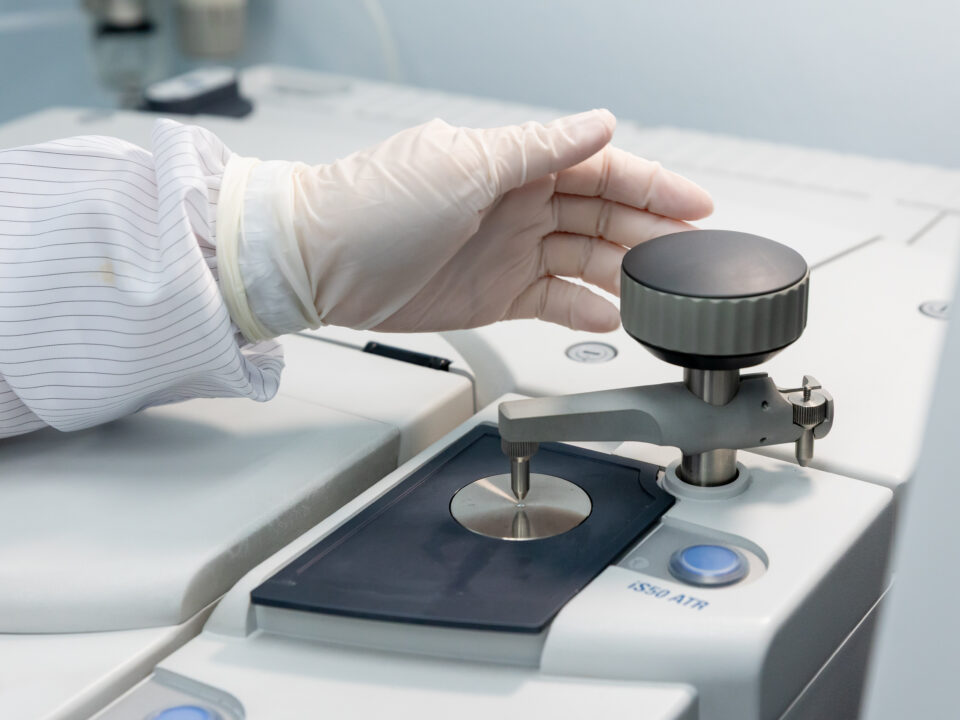
Fourier Transform Infrared Spectroscopy · Microscope FTIR · Organic Contamination · Polymer Identification · Residue Analysis
ISO/IEC 17025 Accredited Testing Where Applicable | FTIR and Microscope FTIR Capability | Automotive Failure Analysis
A fracture surface has been imaged by SEM. EDX has identified the elements present. But the contaminating film on the contact surface, the residue beneath a delaminating coating, or the foreign particle on the filter membrane still cannot be identified by imaging or elemental analysis alone. The material is organic, and organic materials require a different analytical technique.
FTIR spectroscopy is that technique. It identifies organic materials by measuring how they absorb infrared light and comparing the resulting spectrum against reference data, producing a material identification that SEM and EDX cannot provide. In automotive failure analysis and contamination investigation, FTIR is not a replacement for SEM. It is the complementary technique that closes the gap SEM leaves open.
How FTIR Works
Fourier transform infrared spectroscopy exposes a sample to infrared radiation across a defined wavelength range. Different chemical bonds within the sample absorb infrared energy at characteristic wavelengths. The instrument measures which wavelengths are absorbed and which pass through, producing a spectrum that represents the molecular fingerprint of the material.
This fingerprint is compared against a reference library of known spectra. When a match is found, the material is identified. When an exact match is not found, the spectrum can still characterise the chemical class of the material, distinguishing, for example, a polyamide from a polyester, or an epoxy from a silicone.
FTIR is a non-destructive technique for most sample types. The measurement does not consume or alter the sample, which means other analytical techniques can be applied to the same sample after FTIR analysis. This is particularly important in failure analysis, where the available sample may be small and every analysis step needs to be planned in sequence.
Bulk FTIR and Microscope FTIR, Two Distinct Capabilities
Bulk FTIR and Microscope FTIR, Two Distinct Capabilities. FTIR is available in two configurations, each suited to different sample types and analytical objectives.
Bulk FTIR analyses a macroscopic sample across the entire exposed surface or a defined area. It suits material characterisation of solid samples, films, coatings, and extracted residues where the material is relatively homogeneous. Common applications include:
Identifying the polymer type of a seal, gasket, or housing material
Characterising an adhesive or sealant
Identifying a contaminating film extracted from a component surface
Microscope FTIR focuses the infrared beam onto a specific, localised area using a coupled microscope, allowing identification of organic contaminants as small as 20 micrometres. It is used when:
Contamination is spatially localised
A single particle or small residue area needs to be identified without contribution from surrounding material
Contamination is embedded within a larger sample and must be characterised in place
What FTIR Can Identify in Automotive Applications
FTIR is applicable across a wide range of organic material types encountered in automotive components and failure investigations.
Material category
Typical FTIR application
Polymers and plastics
Identifying seal materials, housing resins, trim polymers, and polymer contaminants
Elastomers and rubber
Characterising gaskets, O-rings, and sealing elements by polymer type
Adhesives and sealants
Identifying adhesive type and cure state in bonded assemblies
Coatings and paint
Characterising coating chemistry and identifying delamination-related residues
Oils and lubricants
Identifying lubricant type, degradation products, and oil contamination
Organic residues and films
Identifying flux residues, processing chemical residues, and organic contamination films
Fibres
Identifying synthetic and natural fibre types in contamination investigations
Particles on filter membranes
Identifying organic particles extracted during cleanliness testing
FTIR is not suitable for elemental or inorganic material identification. It does not identify metals, metal oxides, or inorganic minerals with the same specificity as EDX. Where a sample contains both organic and inorganic components, FTIR and SEM-EDX are applied together, each contributing the information the other cannot provide.
FTIR in Automotive Failure Analysis
In a structured failure analysis investigation, FTIR typically follows visual and optical examination and SEM-EDX analysis. By the time FTIR is applied, the analyst usually has a clear hypothesis about what the organic material might be, and FTIR provides the confirmation or identifies an unexpected material that changes the direction of the investigation.
FTIR in Automotive Failure Analysis, Common Scenarios
Coating delamination and adhesion failures. When a coating or bonded layer separates from its substrate, the locus of failure often involves an organic residue or film at the interface. FTIR can identify whether this film is a processing chemical, a lubricant, a mould release agent, or an incompatible primer that prevented adhesion.
Seal and gasket failures. When a seal fails to contain fluid pressure, the seal material may have degraded, swollen, or hardened due to chemical incompatibility with the fluid it is sealing. FTIR identifies the seal polymer type and, in conjunction with comparison samples, can detect chemical degradation through changes in the infrared spectrum.
Contamination source investigation. When organic particles are found on precision component surfaces, on filter membranes from cleanliness testing, or on electrical contact surfaces, FTIR identifies the material. A fibre identified as a specific synthetic polymer type can be traced to a known packaging or cleaning material. A particle identified as an epoxy resin can be traced to an assembly process. This material identification guides corrective action by pointing toward a specific source rather than leaving the contamination origin unresolved.
PCB and electronics failure analysis. Organic residues and films on PCB assemblies, connector contacts, or electronic component surfaces are a common cause of reliability problems. FTIR identifies whether the residue is flux-related, lubricant contamination, or an organic film from handling or packaging, complementing IC analysis of ionic species and SEM-EDX elemental data.
FTIR and SEM, Using Both Techniques Together
FTIR and SEM are complementary techniques that address different questions about the same sample.
Technique
What it provides
SEM
High-magnification surface imaging and morphology
EDX
Elemental composition at specific points, lines, or areas
FTIR
Molecular identity of organic materials
Microscope FTIR
Molecular identity of localised organic contaminants down to 20 µm
Together, they cover both the inorganic and organic dimensions of a contamination or failure problem. A typical combined workflow proceeds as follows: SEM imaging locates a residue or particle at the failure site. EDX confirms the particle is carbon-rich, consistent with an organic material, but cannot identify what type. Microscope FTIR is then applied to the same particle, identifying it as, for example, a polyurethane foam fragment consistent with packaging contamination.
This combination is particularly valuable in cleanliness testing follow-up investigations, where organic particles identified on filter membranes by microscopic classification require material identification to support contamination source tracing. For a detailed explanation of SEM and EDX analysis, see our guide on scanning electron microscopy analysis for failure analysis.
Frequently Asked Questions
What is the smallest particle or feature that Microscope FTIR can identify?
Microscope FTIR at ALS can identify organic contaminants down to approximately 20 micrometres in size. Below this size, the infrared signal from the feature of interest may be insufficient for reliable library matching. For particles smaller than this threshold, alternative techniques such as SEM-EDX for elemental analysis or Raman spectroscopy at specialist facilities may be more appropriate.
Can FTIR identify inorganic contamination?
FTIR is primarily a technique for organic material identification. It can detect some inorganic compounds, particularly those with strong infrared absorption bands such as carbonates, sulfates, and silicates, but it is not the primary technique for inorganic identification. SEM-EDX is the appropriate method for elemental and inorganic material characterisation.
Do I need to send a separate sample for FTIR analysis, or can it be performed on the same sample used for SEM?
In most cases, FTIR can be performed on the same sample used for SEM analysis, provided the sample has not been coated with a conductive layer for SEM. Where a conductive coating has been applied, it may interfere with FTIR analysis depending on coating thickness and material. Discuss the planned analytical sequence with the laboratory before any sample preparation begins.
How long does FTIR analysis take? Bulk FTIR analysis of a prepared sample typically takes less than a day. Microscope FTIR analysis of localised contaminants or particles takes longer, depending on the number of features to be analysed and the complexity of the spectral interpretation. For investigations combining FTIR with SEM and other techniques, turnaround depends on the full analytical programme. Discuss timing requirements at the enquiry stage.
Next Steps
See our full Failure Analysis services including FTIR and Microscope FTIR capability
Read our guide on scanning electron microscopy analysis for failure investigation
See our Chemical and Electronics Testing services for organic residue analysis on PCBs
Contact our team to discuss a failure analysis investigation
ISO/IEC 17025 Accredited Testing Where Applicable | FTIR and Microscope FTIR Analysis | Automotive Failure Analysis Support
Read moreSeptember 1, 2026
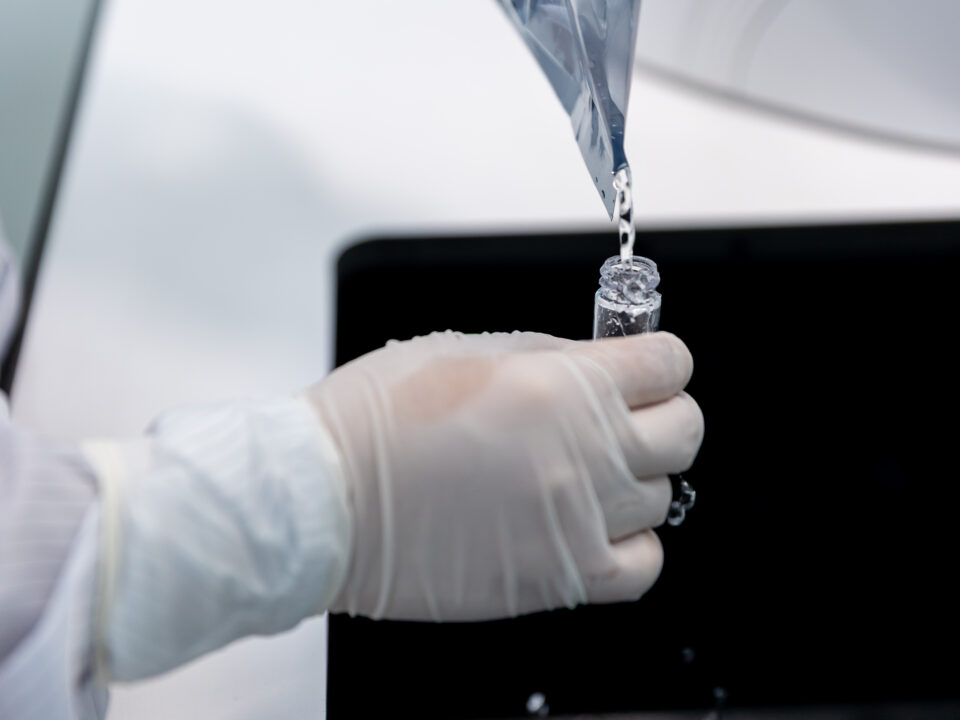
Anion and Cation Analysis · Anion Test · IPC-TM-650 2.3.28 · Root Cause Investigation · Chloride and Ammonium Identification · Failure Evidence
ISO/IEC 17025 Accredited Testing Where Applicable | Anion and Cation Analysis | Chemical and Electronics Testing
A PCB assembly has been returned from the field with intermittent electrical failure. SEM examination shows corrosion on conductor surfaces. The failure mode suggests ionic contamination-driven electrochemical attack. The question that determines corrective action is not whether ionic contamination is present but which ionic species are responsible and where they came from.
Ion chromatography, commonly referred to as the anion test in electronics manufacturing, answers that question. It separates and quantifies individual ionic species in the extract from a PCB surface, providing species-level identification that points directly toward the contamination source and the process step that should be investigated. In PCB failure analysis, IC is not a routine quality check. It is a diagnostic tool.
The Role of IC in PCB Failure Investigation
Ion chromatography for PCB failure analysis differs from IC used in production quality monitoring in one important respect: the objective. In production monitoring, IC confirms that ionic contamination levels are within the specified cleanliness limit. In failure analysis, IC is used to understand what happened after a failure has already occurred.
When a PCB assembly fails in service and ionic contamination is suspected as a contributing factor, IC provides three things that other analytical techniques cannot.
Species identification. IC identifies which ionic species are present and in what quantities across three categories: anions including chloride, fluoride, bromide, sulfate, and phosphate; cations including ammonium, sodium, and potassium; and weak organic acids (WOA) including acetate, formate, and citrate, which are characteristic markers of no-clean flux residue activity. Without species identification, corrective action is guesswork.
Quantification at failure-relevant levels. Modern IC systems detect ionic species at concentrations of parts per billion in the extract solution, translating to nanograms per square centimetre on the board surface. These detection limits allow meaningful measurement even when contamination levels are low, as is often the case with field failures where the original contamination may have been borderline or where the board has experienced some self-remediation during service.
Evidence for the investigation record. A failure analysis report supported by IC data includes objective, quantitative evidence of contamination levels and species distribution. This supports decisions about corrective action, supplier responsibility, and process qualification in a way that qualitative observations cannot.
What the Key Ionic Species Indicate
The diagnostic value of IC in failure analysis comes from understanding what each ionic species indicates about its origin.
Ionic species Type Primary implication in PCB failure analysis Chloride Anion Flux activator residue, environmental chloride exposure, halogenated material contamination Fluoride Anion Specific flux formulations, etching process residues Bromide Anion Halogenated flux systems, flame retardant materials Nitrate Anion Environmental sources, cleaning chemistry Nitrite Anion Environmental sources, some process chemistry Phosphate Anion Some flux formulations, process chemical residues Sulfate Anion Environmental deposition, some flux chemistry, atmospheric contamination during storage Sodium, potassium Cation Handling contamination, process water, environmental sources Ammonium Cation No-clean flux amine activators, incompletely deactivated flux residue Calcium, magnesium Cation Process water, environmental contamination Lithium Cation Specific process chemistry, battery-related contamination Acetate, formate WOA No-clean flux activator decomposition products Citrate, malate, succinate WOA Flux chemistry residues, organic acid activators Methanesulfonate WOA Specific flux formulations Phthalate WOA Plasticiser migration, packaging contamination
Chloride is the most significant anion in PCB failure analysis. Even at low concentrations, it initiates pitting corrosion and supports dendritic growth between conductors under voltage bias. Elevated ammonium, organic amines, or WOA species such as acetate and formate indicate no-clean flux residue that has not been fully deactivated and retains corrosion-promoting properties despite a nominally clean process.
ALS Testing analyses all three ionic categories under IPC-TM-650 2.3.28: anions (chloride, fluoride, bromide, nitrate, nitrite, phosphate, sulfate), cations (ammonium, sodium, potassium, calcium, magnesium, lithium), and weak organic acids or WOA (acetate, formate, citrate, malate, succinate, methanesulfonate, phthalate). A full species profile across all three categories provides the most complete picture of contamination source and corrosion risk. IC and SEM-EDX Together in Failure Investigation Ion chromatography and SEM-EDX analysis are complementary in PCB failure investigation. Each provides information the other cannot. SEM imaging characterises the morphology of corrosion damage at the failure site: the distribution of corrosion products, the pattern of dendritic growth, the condition of solder joint surfaces, and any visible residues or contamination. EDX analysis at specific points within the corrosion zone identifies the elemental composition, which can support or question the hypothesis generated by IC results. Detecting chlorine by EDX at a corrosion site is consistent with chloride-driven corrosion. Detecting sulfur is consistent with sulfate-related attack. What EDX cannot do is quantify the contamination level across the board surface or distinguish between the many possible ionic species that contain chlorine or sulfur. IC provides that quantification and speciation, working across the full board surface rather than at specific isolated points. A complete PCB failure investigation typically uses IC to characterise the overall ionic contamination profile and identify the dominant species, and SEM-EDX to characterise the specific failure site morphology and elemental composition. Together, they provide the evidence base needed for a defensible root cause conclusion. For a broader explanation of how SEM, EDX, and FTIR contribute to failure analysis, see our guide on scanning electron microscopy analysis for failure investigation. The Extraction Method Matters The reliability of IC results in failure analysis depends on how the extraction is performed. The method must be consistent, validated, and appropriate for the investigative objective, since errors or deviations at the extraction stage propagate directly into the analytical results and can obscure or misrepresent the actual contamination state of the board. Standard procedure. IPC-TM-650 2.3.28 defines the extraction method: the board is placed in a clean vessel with 75% isopropyl alcohol and 25% deionised water, extracted at 80°C for one hour under agitation, then filtered and injected into the IC system. This dissolves ionic species from the board surface including flux residues not fully soluble in water alone. Extract as received. For failure analysis, the extraction must be performed on the assembly without prior cleaning or alteration to preserve the contamination evidence in its original state. Area-specific extraction. Where the investigation requires spatial information, a controlled volume of extraction solvent applied to a defined surface area allows IC to map where contamination is most concentrated, which can be decisive in identifying the contamination source. Limitations of IC Results in Failure Investigation IC results are powerful evidence but require careful interpretation. Three limitations apply in most failure analysis contexts. IC does not identify the responsible process step or supplier. Species identification points toward contamination sources, for example chloride toward flux residue or environmental exposure, and ammonium toward no-clean flux deactivation failure. But identifying which specific process step, supplier, or handling event introduced the contamination requires interpreting IC data in the context of the full assembly process history, materials used, handling conditions, and failure pattern. IC reflects contamination at the time of testing, not necessarily at the time of failure. In boards returned from extended service, some ionic species may have been consumed by the corrosion reactions they initiated, reducing the measured concentration below the original level. Others may have been introduced by service environment exposure after the original failure mechanism was already underway. Interpreting IC results from aged field returns requires judgement about what the data represents and what may have changed since manufacture. A single IC result has limited diagnostic power without comparison data. A contamination level that looks elevated in isolation may be normal for the process, or it may indicate a process excursion if compared against qualification data. Results from non-failed assemblies from the same production lot, or from process qualification records, provide the reference point that makes species level differences meaningful and points toward the contamination source. Frequently Asked Questions When should IC be included in a PCB failure analysis investigation? IC should be included when ionic contamination is a plausible contributor to the failure mechanism, covering most cases of corrosion, leakage current, dendritic growth, or intermittent electrical behaviour associated with humidity exposure. It should also be included when the investigation needs to differentiate between flux residue contamination and environmental contamination, since anion test species profiles typically distinguish between these sources. Can IC analysis be performed on a board that has already been through SEM examination? In most cases yes, provided the SEM examination was performed without sputter coating the board surface, and provided the board has not been cleaned or altered during the SEM investigation. Discuss the planned analytical sequence with the laboratory before any step that might affect the surface chemistry of the board. What information should I provide when submitting a failed PCB for IC analysis? The most useful information includes the assembly process description (flux type, cleaning or no-clean process), service history including environment and duration, visual or functional observations from the failure, the OEM cleanliness specification if one applies, and whether comparison samples from the same production lot are available. For no-clean assemblies, note whether WOA analysis is required alongside standard anion and cation testing, as WOA species are particularly relevant to no-clean flux residue characterisation. How does IC for failure analysis differ from routine production anion testing? The analytical method is the same. The difference is in the objective and interpretation. Production anion testing confirms ionic contamination is within the specified limit. Failure analysis IC characterises the contamination profile of a failed assembly and generates hypotheses about the source and mechanism of failure, interpreted against the full failure evidence rather than a pass or fail threshold alone. Next Steps See our full Chemical and Electronics Testing services including IC for PCB failure analysis See our Failure Analysis services including SEM-EDX for corrosion and contamination investigation Read our guide on PCB cleanliness testing and ion chromatography for production quality control context Contact our team to discuss a PCB failure analysis investigation ISO/IEC 17025 Accredited Testing Where Applicable | Anion and Cation Analysis for PCB Failure Investigation | Electronics Testing Support
Read moreIonic species Type Primary implication in PCB failure analysis Chloride Anion Flux activator residue, environmental chloride exposure, halogenated material contamination Fluoride Anion Specific flux formulations, etching process residues Bromide Anion Halogenated flux systems, flame retardant materials Nitrate Anion Environmental sources, cleaning chemistry Nitrite Anion Environmental sources, some process chemistry Phosphate Anion Some flux formulations, process chemical residues Sulfate Anion Environmental deposition, some flux chemistry, atmospheric contamination during storage Sodium, potassium Cation Handling contamination, process water, environmental sources Ammonium Cation No-clean flux amine activators, incompletely deactivated flux residue Calcium, magnesium Cation Process water, environmental contamination Lithium Cation Specific process chemistry, battery-related contamination Acetate, formate WOA No-clean flux activator decomposition products Citrate, malate, succinate WOA Flux chemistry residues, organic acid activators Methanesulfonate WOA Specific flux formulations Phthalate WOA Plasticiser migration, packaging contamination
Chloride is the most significant anion in PCB failure analysis. Even at low concentrations, it initiates pitting corrosion and supports dendritic growth between conductors under voltage bias. Elevated ammonium, organic amines, or WOA species such as acetate and formate indicate no-clean flux residue that has not been fully deactivated and retains corrosion-promoting properties despite a nominally clean process.
ALS Testing analyses all three ionic categories under IPC-TM-650 2.3.28: anions (chloride, fluoride, bromide, nitrate, nitrite, phosphate, sulfate), cations (ammonium, sodium, potassium, calcium, magnesium, lithium), and weak organic acids or WOA (acetate, formate, citrate, malate, succinate, methanesulfonate, phthalate). A full species profile across all three categories provides the most complete picture of contamination source and corrosion risk. IC and SEM-EDX Together in Failure Investigation Ion chromatography and SEM-EDX analysis are complementary in PCB failure investigation. Each provides information the other cannot. SEM imaging characterises the morphology of corrosion damage at the failure site: the distribution of corrosion products, the pattern of dendritic growth, the condition of solder joint surfaces, and any visible residues or contamination. EDX analysis at specific points within the corrosion zone identifies the elemental composition, which can support or question the hypothesis generated by IC results. Detecting chlorine by EDX at a corrosion site is consistent with chloride-driven corrosion. Detecting sulfur is consistent with sulfate-related attack. What EDX cannot do is quantify the contamination level across the board surface or distinguish between the many possible ionic species that contain chlorine or sulfur. IC provides that quantification and speciation, working across the full board surface rather than at specific isolated points. A complete PCB failure investigation typically uses IC to characterise the overall ionic contamination profile and identify the dominant species, and SEM-EDX to characterise the specific failure site morphology and elemental composition. Together, they provide the evidence base needed for a defensible root cause conclusion. For a broader explanation of how SEM, EDX, and FTIR contribute to failure analysis, see our guide on scanning electron microscopy analysis for failure investigation. The Extraction Method Matters The reliability of IC results in failure analysis depends on how the extraction is performed. The method must be consistent, validated, and appropriate for the investigative objective, since errors or deviations at the extraction stage propagate directly into the analytical results and can obscure or misrepresent the actual contamination state of the board. Standard procedure. IPC-TM-650 2.3.28 defines the extraction method: the board is placed in a clean vessel with 75% isopropyl alcohol and 25% deionised water, extracted at 80°C for one hour under agitation, then filtered and injected into the IC system. This dissolves ionic species from the board surface including flux residues not fully soluble in water alone. Extract as received. For failure analysis, the extraction must be performed on the assembly without prior cleaning or alteration to preserve the contamination evidence in its original state. Area-specific extraction. Where the investigation requires spatial information, a controlled volume of extraction solvent applied to a defined surface area allows IC to map where contamination is most concentrated, which can be decisive in identifying the contamination source. Limitations of IC Results in Failure Investigation IC results are powerful evidence but require careful interpretation. Three limitations apply in most failure analysis contexts. IC does not identify the responsible process step or supplier. Species identification points toward contamination sources, for example chloride toward flux residue or environmental exposure, and ammonium toward no-clean flux deactivation failure. But identifying which specific process step, supplier, or handling event introduced the contamination requires interpreting IC data in the context of the full assembly process history, materials used, handling conditions, and failure pattern. IC reflects contamination at the time of testing, not necessarily at the time of failure. In boards returned from extended service, some ionic species may have been consumed by the corrosion reactions they initiated, reducing the measured concentration below the original level. Others may have been introduced by service environment exposure after the original failure mechanism was already underway. Interpreting IC results from aged field returns requires judgement about what the data represents and what may have changed since manufacture. A single IC result has limited diagnostic power without comparison data. A contamination level that looks elevated in isolation may be normal for the process, or it may indicate a process excursion if compared against qualification data. Results from non-failed assemblies from the same production lot, or from process qualification records, provide the reference point that makes species level differences meaningful and points toward the contamination source. Frequently Asked Questions When should IC be included in a PCB failure analysis investigation? IC should be included when ionic contamination is a plausible contributor to the failure mechanism, covering most cases of corrosion, leakage current, dendritic growth, or intermittent electrical behaviour associated with humidity exposure. It should also be included when the investigation needs to differentiate between flux residue contamination and environmental contamination, since anion test species profiles typically distinguish between these sources. Can IC analysis be performed on a board that has already been through SEM examination? In most cases yes, provided the SEM examination was performed without sputter coating the board surface, and provided the board has not been cleaned or altered during the SEM investigation. Discuss the planned analytical sequence with the laboratory before any step that might affect the surface chemistry of the board. What information should I provide when submitting a failed PCB for IC analysis? The most useful information includes the assembly process description (flux type, cleaning or no-clean process), service history including environment and duration, visual or functional observations from the failure, the OEM cleanliness specification if one applies, and whether comparison samples from the same production lot are available. For no-clean assemblies, note whether WOA analysis is required alongside standard anion and cation testing, as WOA species are particularly relevant to no-clean flux residue characterisation. How does IC for failure analysis differ from routine production anion testing? The analytical method is the same. The difference is in the objective and interpretation. Production anion testing confirms ionic contamination is within the specified limit. Failure analysis IC characterises the contamination profile of a failed assembly and generates hypotheses about the source and mechanism of failure, interpreted against the full failure evidence rather than a pass or fail threshold alone. Next Steps See our full Chemical and Electronics Testing services including IC for PCB failure analysis See our Failure Analysis services including SEM-EDX for corrosion and contamination investigation Read our guide on PCB cleanliness testing and ion chromatography for production quality control context Contact our team to discuss a PCB failure analysis investigation ISO/IEC 17025 Accredited Testing Where Applicable | Anion and Cation Analysis for PCB Failure Investigation | Electronics Testing Support
August 11, 2026
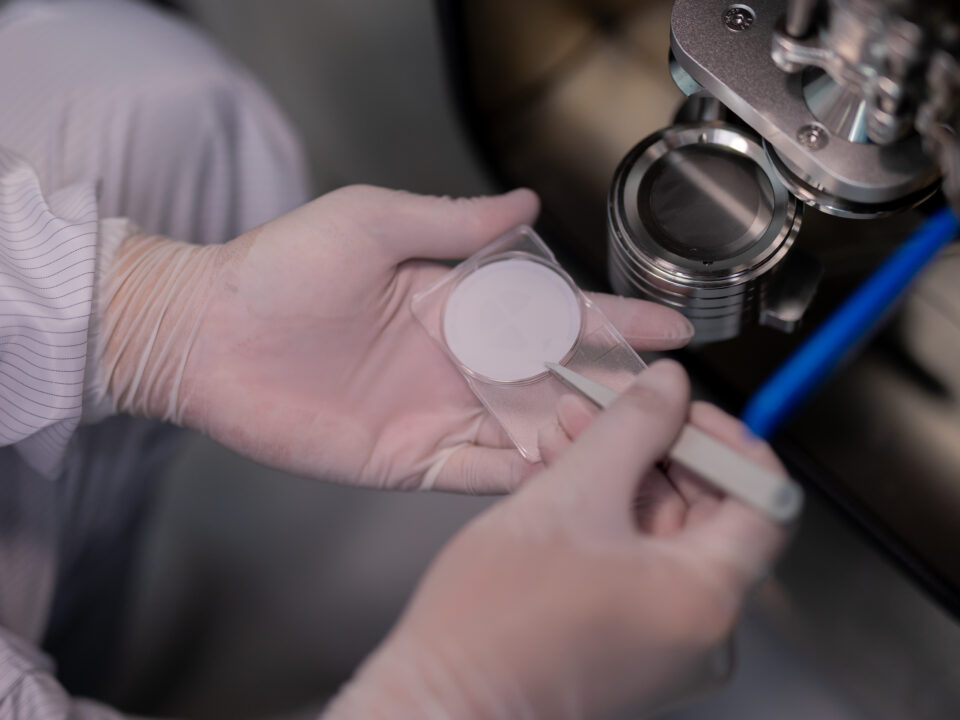
ISO/IEC 17025 Accreditation · OEM Acceptance · Analytical Breadth · Liability Protection
ISO/IEC 17025 Accredited Testing Where Applicable | Independent Third-Party Laboratory | Serving Malaysia and Southeast Asia
Outsourcing automotive testing means sending components, materials or assemblies to an accredited independent laboratory for testing that meets OEM qualification, type approval or regulatory submission requirements. In-house quality checks support production monitoring, but they cannot replace accredited third-party results where formal compliance evidence is required.
The OEM Acceptance Problem with In-House Testing
Global OEMs require test results from ISO/IEC 17025 accredited laboratories for formal qualification submissions. In-house results are not accepted as compliance evidence for OEM approval processes, type approvals or regulatory submissions. This is not a matter of trust. It is a matter of what the quality framework requires.
ISO/IEC 17025 accreditation means the laboratory has been independently assessed for technical competence, measurement traceability, equipment calibration, and quality management. ILAC MRA recognition means results are accepted by OEMs and regulatory bodies in more than 100 countries without re-validation when they cross borders or change hands in a supply chain.
For Malaysian and Southeast Asian suppliers, test reports must carry ILAC MRA recognition to be accepted by European, Japanese, or American OEMs without question.
Objectivity and Conflict of Interest
A laboratory that tests its own products has an inherent interest in the result. The structural conflict of interest is recognised by OEMs, regulators, and courts. Third-party testing removes this ambiguity. An independent laboratory has no stake in whether a result passes or fails, giving the test report its value as documentary evidence in warranty claims, liability disputes, and regulatory investigations.
Access to Analytical Breadth
Maintaining broad analytical capability in-house is expensive. An accredited contract laboratory spreads these costs across many clients, giving suppliers access to a full analytical suite through a single laboratory relationship.
SEM-EDX for failure analysis
ICP-MS and ICP-OES for chemical compliance
GC-MS for VOC testing
Ion chromatography for ionic contamination
Salt spray and environmental simulation
Particle analysis to ISO 16232 and VDA 19
When In-House Testing Still Makes Sense
In-house testing suits routine production monitoring where speed and low cost matter more than formal accreditation. The effective approach for most suppliers combines in-house methods for production monitoring with accredited third-party testing for OEM submissions, qualification programmes, and regulatory compliance.
When to Start Thinking About Third-Party Testing
A few situations signal that third-party accredited testing should be part of the plan.
New OEM relationship: qualification submissions almost always require accredited results from the outset
First PPAP submission: third-party data is typically required as part of the package
Entering a new market: EU, Japanese or American OEM supply chains each have specific accreditation requirements
Specification change: when an OEM revises a material or component specification, re-qualification with accredited data is usually triggered
Field failure or warranty claim: independent test evidence becomes critical when liability is in question
Expanding product scope: new component types may require test capabilities not available in-house
In-House vs Third-Party Testing
Testing Context
In-House
Third-Party Accredited
OEM qualification
Not accepted
Required
Regulatory submission
Not accepted
Required
Production monitoring
Suitable
Not required
Conflict of interest
Present
None
Analytical breadth
Limited
Full suite
Cost per test
Lower
Higher
The Liability Argument
An accredited third-party test report is a contemporaneous, independent record of a component’s condition at the time of manufacture. It demonstrates the product was tested against defined requirements by an independent organisation. An internal record carries less weight in a dispute because the party that produced it had an interest in the outcome.
Choosing the Right Laboratory Partner
Not all accredited laboratories are equal in scope or capability. ISO/IEC 17025 accreditation covers only the specific methods formally assessed, so confirm the exact method and scope before testing begins.
ALS Testing is an independent, ISO/IEC 17025 accredited laboratory serving OEMs, Tier-1 and Tier-2 suppliers in Malaysia and Southeast Asia. Accredited results are accepted by OEMs and regulatory authorities in more than 100 countries under the ILAC MRA.
Frequently Asked Questions
When does my OEM actually require results from an accredited laboratory?
For formal qualification, type approval and regulatory compliance declarations, most global OEMs require ISO/IEC 17025 accredited results with ILAC MRA recognition. For routine production monitoring, accredited results are generally not required. Review your OEM specification or PPAP requirements to confirm.
Can we use our in-house results for any formal OEM submission?
In most cases, no. OEM qualification and formal approval submissions require independently accredited test data. If your specification is not explicit on this point, confirm with your OEM customer quality team before preparing the submission.
How do we manage the turnaround time for third-party testing against production schedules?
Build testing into the programme schedule from the outset rather than treating it as a final step. For urgent requirements, discuss expedited service options with your laboratory at the enquiry stage.
Is there a cost saving from consolidating testing with one laboratory?
In most cases, yes. A single laboratory covering multiple disciplines reduces logistics complexity, simplifies sample management and often results in volume-based cost efficiencies.
Next Steps
Back to Automotive Testing for the full service overview
Review our laboratory accreditation scope
Contact our team to discuss your testing requirements and receive a quotation at /contact/
ISO/IEC 17025 Accredited Testing Where Applicable | ILAC MRA Recognised | Independent Third-Party Automotive Testing
Read moreAugust 11, 2026
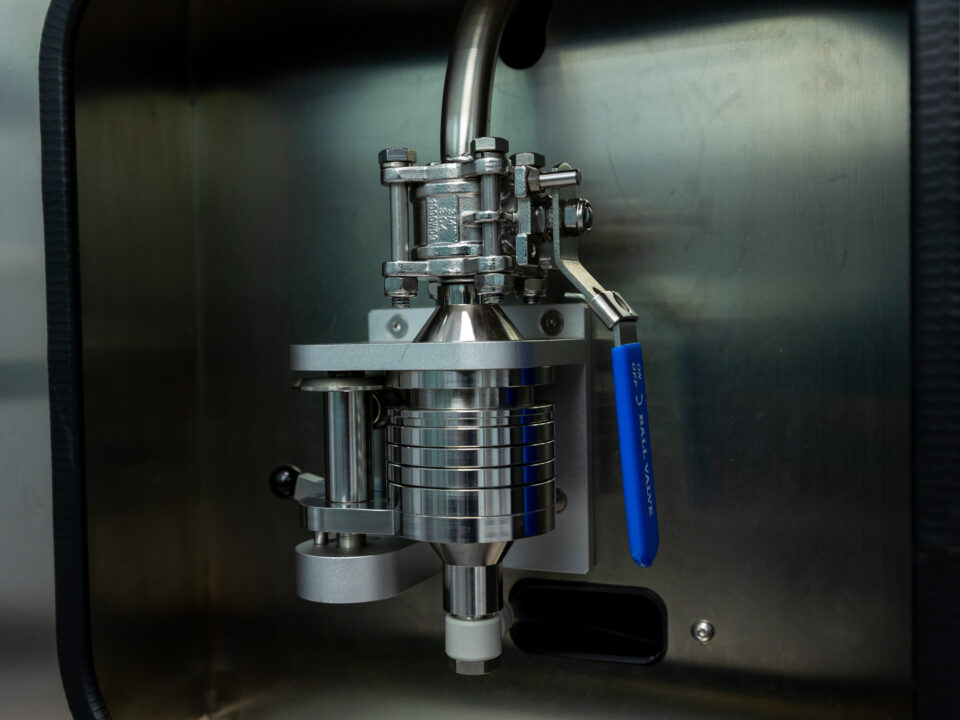
Particle Extraction · Gravimetric Analysis · LPC Counting · Microscopic Classification · SEM-EDX Particle Identification
ISO/IEC 17025 Accredited Testing Where Applicable | VDA 19 and ISO 16232 Capability | Automotive Cleanliness Specialist
An OEM drawing specifies a cleanliness class. A customer’s purchase order references VDA 19. This guide walks through the VDA 19.1 test process step by step, from the first blank test to the final cleanliness report, and explains where VDA 19.2 fits.
VDA 19 and What It Covers
VDA 19 is the German automotive industry standard for technical cleanliness testing, published by the VDA (Verband der Automobilindustrie). It is required by German OEMs including BMW, Volkswagen Group and Mercedes-Benz, and by the Tier-1 suppliers that serve them.
VDA 19 Part 1 covers particle contamination analysis of automotive components: extraction, counting, classification and reporting. This is the part that applies when a customer or OEM specifies VDA 19 for a laboratory submission.
VDA 19 Part 2 covers technical cleanliness requirements for assembly environments. It is applied in the production facility, not the testing laboratory.
The step-by-step process in this guide covers VDA 19 Part 1. For a comparison with ISO 16232, which is technically harmonised with VDA 19 Part 1 for most applications, see our guide on ISO 16232 vs VDA 19.
The VDA 19.1 Test Process
Blank test and environment verification
Component inspection and documentation
Extraction method selection and validation
Filtration onto a membrane
Gravimetric analysis
Light obscuration particle counting (LPC)
Microscopic particle classification
Cleanliness classification and reporting
Where an OEM specification requires it, SEM-EDX particle identification is applied to specific particles on the membrane before the final report is issued.
Blank Test and Environment Verification
No component is extracted until the test environment and all extraction equipment are verified to be clean.
The blank test runs the complete extraction process, covering solvents, vessels and filtration equipment, without a component present. The result establishes the background contamination level. VDA 19 requires that blank contamination stays below defined limits before component testing proceeds. If the blank level is too high, the contamination source must be identified and eliminated before the test is valid.
Step 1 Component Inspection and Documentation
Before extraction begins, the component is inspected and documented as received. Sample condition, including any visible contamination, damage or packaging concerns, is recorded photographically and in writing.
This provides a baseline if questions arise about whether the result reflects manufacturing cleanliness or contamination introduced during handling or shipping. Samples showing evidence of post-manufacture contamination may require discussion with the client before testing proceeds.
Step 2 Extraction Method Selection and Validation
Extraction method
How it works
Best suited for
Pressure rinsing
Filtered solvent forced through internal channels under controlled pressure
Bores, galleries and flow paths, such as hydraulic valves and fuel rails
Ultrasonic extraction
Component submerged in solvent bath, ultrasonic energy dislodges particles
Complex surfaces and recesses inaccessible by direct rinsing
Agitation
Component immersed in solvent and agitated mechanically
Simple geometry with open, accessible internal spaces
Air jet extraction
Directed air stream dislodges particles, captured for analysis
Components that must not contact liquid
Where the method is not specified, the laboratory selects and documents the most appropriate option. Efficiency is validated by repeated cycles until the particle count confirms a declining curve, demonstrating substantially complete contamination removal.
Step 3 Filtration
After extraction, the solvent carrying the extracted particles passes through a membrane filter with a defined pore size, typically 5 micrometres. Particles are collected on the membrane surface.
The membrane is then conditioned, dried and equilibrated to stable temperature and humidity, in preparation for weighing and optical examination. Membrane type, pore size and filtration conditions are documented as part of the test record.
Step 4 Gravimetric Analysis
The dried membrane is weighed on a calibrated analytical balance before and after filtration. The mass difference is the total gravimetric contamination.
Gravimetric analysis is fast and is a required element of the VDA 19 test programme. Its limitation is functional: a component can carry a single oversized particle posing significant risk while still showing a low gravimetric result. This is why it is used alongside, not instead of, particle counting and classification.
Step 5 Light Obscuration Particle Counting (LPC)
The extracted particles are re-suspended in clean solvent and passed through a laser-based particle counter, which counts and sizes each particle individually.
LPC produces a count distributed across defined size classes, from the lower threshold up through multiple ranges to particles above 1,000 micrometres. LPC is the method that determines whether a component meets its specified cleanliness class. A component with low total particle mass may still exceed the limit in a specific size class if a small number of large particles are present. The size distribution, not just the total count, is what the specification controls.
Step 6 Microscopic Particle Classification
After LPC, particles on the membrane are examined under a calibrated microscope and classified into the categories defined by VDA 19.
Particle category
Appearance
Typical source
Why it matters
Shiny (metallic)
Reflective under incident light
Machined metal debris
Wear particles
Casting residue
Highest mechanical damage risk, often a critical specification limit
Non-shiny
Not reflective
Rubber
Polymer
Ceramic
Mineral debris
Oxidised metal
Risk depends on size, hardness and application
Fibres
Elongated, per the standard’s length-to-width criterion
Packaging
Cleaning materials
Textile components
Assessed separately from hard particles
A shiny metallic particle above a defined size is often a non-conformance regardless of total count, and some OEM specifications subdivide these categories further per the cited edition and specification. Significant particles are recorded with images alongside the count data.
Step 7 SEM-EDX Particle Identification (Where Required)
SEM-EDX identifies specific particles on the membrane when particle identity must be confirmed or an OEM specification requires elemental identification above a defined size. SEM images particle morphology, EDX identifies elemental composition, distinguishing materials such as iron from aluminium, or ceramic, glass and polymer particles.
This supports contamination source investigation and is required by some OEM specifications for certain particle types or sizes. Confirm with your laboratory at the enquiry stage if SEM-EDX is required.
Step 8 Cleanliness Classification and Reporting
Gravimetric, LPC, and microscopic results combine into the Component Cleanliness Code (CCC), VDA 19’s standardised output. The CCC is expressed as letter-number pairs covering size range and count level, with lower numbers indicating fewer particles, and is assessed against OEM or customer limits for pass or fail determination.
Notation and size classes follow the applicable standard, OEM specification, or customer template. The CCC is not universal across all specifications.
The final report documents extraction method, blank test results, gravimetric mass, LPC size distribution, microscopic classification with images, and final cleanliness class.
Where VDA 19 Part 2 Fits
VDA 19 Part 2 covers technical cleanliness in assembly environments, workstations, tooling, fixtures, packaging and handling areas. Its purpose is to prevent new contamination during assembly that would compromise the cleanliness verified by Part 1 testing.
It is applied in the production facility, not the testing laboratory, and is a separate requirement from component cleanliness testing. Confirm the specific requirement with your OEM or customer.
Sample Submission Requirements
Standard: VDA 19 Part 1 or ISO 16232, and the applicable edition
Cleanliness class: or the particle count limits that apply
Controlled surface: the wetted surface defined in the drawing
Drawing: number and revision
Extraction method: if specified by the OEM or customer
SEM-EDX: whether particle identification is required
Quantity: number of samples to submit
Report format: required template or OEM format
Package components in clean, sealed polythene bags immediately after manufacture and keep them sealed until laboratory receipt. Avoid paper or cardboard in direct contact with component surfaces, as fibres can transfer and affect the result.
Frequently Asked Questions
What is the difference between VDA 19 and ISO 16232?
VDA 19 Part 1 and ISO 16232 are technically harmonised. The main difference is in reporting format, cleanliness class notation and who requires which standard. German OEMs specify VDA 19, while most other global OEMs reference ISO 16232.
How do I know which extraction method will be used for my component?
The extraction method is selected based on component geometry and surfaces of interest. If your OEM specification defines a required method, that method is applied. If not, the laboratory selects the most appropriate method and documents the rationale.
Do I need SEM-EDX particle identification as part of my VDA 19 test?
Not always. SEM-EDX is required when an OEM specification calls for elemental identification of particles or when a contamination source investigation requires material identification. For standard cleanliness class determination, gravimetric, LPC and microscopic classification are typically sufficient.
How should I package and ship components for VDA 19 testing?
Seal components in clean polythene bags immediately after manufacture and keep them sealed until laboratory receipt. Avoid paper or cardboard packaging in direct contact with component surfaces.
Does VDA 19 Part 2 apply to my laboratory test?
No. Part 2 covers assembly environment cleanliness and is applied in the production facility. Laboratory component testing is covered by Part 1.
Request a VDA 19 Testing Quote
ALS Testing provides technical cleanliness testing to VDA 19 Part 1 and ISO 16232 for automotive components across hydraulic, fuel, braking, transmission and EV powertrain applications. Testing under ISO/IEC 17025 accreditation is available where covered by the applicable accredited scope.
Next Steps
See our full Technical Cleanliness Testing services
Read our guide comparing ISO 16232 and VDA 19
Read our guide on particle extraction methods
Contact our team for a VDA 19 testing quotation or technical discussion at Contact us – alstesting.co.th
ISO/IEC 17025 Accredited Testing Where Applicable | VDA 19 and ISO 16232 Capability | SEM-EDX Particle Identification Available
Read moreAugust 10, 2026
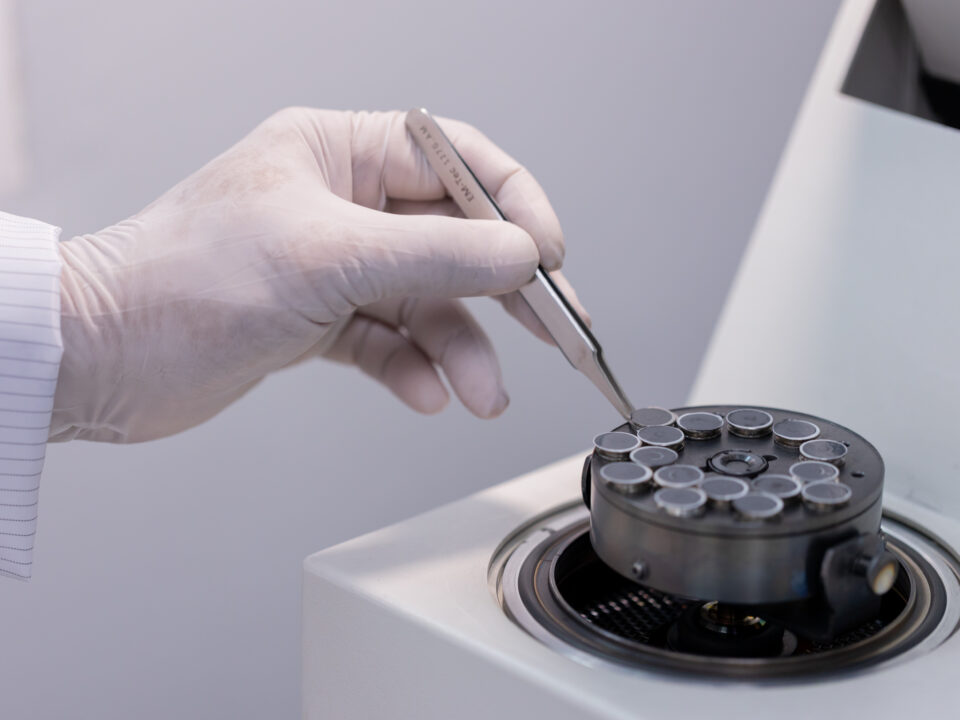
RoHS Screening · REACH SVHC · IEC 62321 · XRF Screening · ICP-MS Confirmatory Analysis · GCMS Phthalate Testing
ISO/IEC 17025 Accredited Testing Where Applicable | RoHS and REACH Compliance Capability | Chemical and Electronics Testing
A PCB assembly destined for the EU market must not contain lead above defined limits. A sensor housing must not incorporate hexavalent chromium in its plating. A wiring harness component must not include any of the four restricted phthalates in its insulation material above threshold concentrations.
These requirements come from RoHS. For automotive electronics suppliers, compliance is not self-certifiable without analytical evidence from a testing laboratory.
What RoHS Requires
The RoHS Directive (2011/65/EU, amended by 2015/863/EU) restricts ten hazardous substances in electrical and electronic equipment placed on the EU market. Each must not exceed defined concentration thresholds in any homogeneous material within the product.
Substance
Threshold
Typical Location in Electronics
Lead (Pb)
0.1%
Solder, coatings, stabilisers
Mercury (Hg)
0.1%
Switches, lamps
Cadmium (Cd)
0.01%
Plating, stabilisers
Hexavalent chromium Cr(VI)
0.1%
Surface treatments, coatings
Polybrominated biphenyls (PBB)
0.1%
Flame retardants in polymers
Polybrominated diphenyl ethers (PBDE)
0.1%
Flame retardants in polymers
DEHP
0.1%
Plasticiser in PVC insulation
BBP
0.1%
Plasticiser in polymers
DBP
0.1%
Plasticiser in polymers
DIBP
0.1%
Plasticiser in polymers
Automotive equipment is subject to a range of exemptions where no technically feasible substitute currently exists. Exemptions are defined in annexes to the directive and reviewed periodically. If your product qualifies for an exemption, confirm the exemption number and its current expiry date before relying on it in a compliance declaration.
REACH and SVHC Obligations
REACH requires suppliers to communicate information about SVHC present above 0.1% by weight on request. Where SVHC exceeds 0.1% in articles placed on the EU market above one tonne per year, notification to ECHA is also required. The candidate list contains more than 230 substances and is updated twice a year. RoHS and REACH have different substance lists, thresholds, and compliance mechanisms. A PCB may need to satisfy both.
IEC 62321 Testing Methods for PCBs and Automotive Electronics
IEC 62321 is the standard series defining analytical methods for RoHS substance determination. Testing follows a staged approach: XRF screening first, then confirmatory quantitative analysis where screening indicates a potential exceedance.
Substance / Group
Technique
Stage
Lead, Mercury, Cadmium, Chromium (total)
XRF
Screening
Lead, Mercury, Cadmium
ICP-MS (IEC 62321-4)
Confirmatory
Total Chromium
ICP-OES (IEC 62321-5)
Confirmatory pre-step
Hexavalent chromium Cr(VI)
UV-Vis spectrophotometry (IEC 62321-7-2)
Confirmatory
PBB, PBDE
XRF then GCMS (IEC 62321-6)
Screening then Confirmatory
Phthalates (DEHP, BBP, DBP, DIBP)
GCMS (IEC 62321-8)
Confirmatory
Applying IEC 62321 to Automotive PCBs & What Gets Tested
The RoHS threshold applies per homogeneous material, not per product. A complete compliance assessment covers multiple materials within the same component. Key material categories and their primary compliance risks
Solder materials: assessed for lead content. Lead-free transition is mandated for most applications, but automotive-specific exemptions remain under periodic review.
Connector contacts and metal housings: assessed for cadmium plating and hexavalent chromium surface treatments.
Polymer insulation, cable jacketing, and housings: assessed for PBB, PBDE, and phthalate content by GCMS.
PCB laminates: assessed for bromine-containing flame retardants by XRF, with GCMS confirmation where indicated.
Coatings and surface finishes: assessed for hexavalent chromium, cadmium, and lead depending on treatment type.
REACH SVHC screening: scope is determined by the bill of materials and the SVHC categories most likely to apply.
Submitting a bill of materials alongside your samples allows the laboratory to define the most efficient screening programme and avoid unnecessary confirmatory testing.
Frequently Asked Questions
Does RoHS apply to automotive electronics sold outside the EU?
RoHS applies to equipment placed on the EU market. However, most global OEMs apply it as a supply chain requirement regardless of target market, because non-compliant components create risk if market destinations change. Confirm the applicable scope with your customer. Is XRF alone sufficient for a RoHS compliance declaration?
No. XRF is a screening tool only. Where XRF indicates a potential exceedance, confirmatory analysis by ICP-MS, ICP-OES, GCMS, or UV-Vis must follow depending on the substance. A compliance declaration based on XRF screening alone is not analytically defensible. How often does REACH SVHC screening need to be repeated?
The SVHC candidate list is updated typically twice a year. An assessment against an earlier version may not cover newly listed substances. Monitor ECHA updates and assess newly listed substances against your bill of materials on a rolling basis. What should I provide when submitting for RoHS testing? Bill of materials broken down by homogeneous material where possible Target market and any exemptions being claimed, with exemption number and expiry date Whether XRF screening only or full confirmatory analysis is required OEM compliance declaration format if a specific template is required RoHS and REACH Testing at ALS ALS Testing provides RoHS compliance screening and REACH SVHC assessment for automotive PCBs, connectors, sensors, and materials. Our testing programme follows IEC 62321 analytical methods, with XRF screening and confirmatory analysis by ICP-MS, ICP-OES, GCMS, UV-Vis, and ion chromatography depending on the substance group. ISO/IEC 17025 accredited testing is available where covered by our accredited scope. Next Steps See our full Chemical and Electronics Testing services Back to Automotive Testing Contact our team for a compliance testing quotation or technical discussion at Contact us – alstesting.co.th ISO/IEC 17025 Accredited Testing Where Applicable | RoHS and REACH SVHC Screening | IEC 62321 Analytical Methods
Read moreRoHS applies to equipment placed on the EU market. However, most global OEMs apply it as a supply chain requirement regardless of target market, because non-compliant components create risk if market destinations change. Confirm the applicable scope with your customer. Is XRF alone sufficient for a RoHS compliance declaration?
No. XRF is a screening tool only. Where XRF indicates a potential exceedance, confirmatory analysis by ICP-MS, ICP-OES, GCMS, or UV-Vis must follow depending on the substance. A compliance declaration based on XRF screening alone is not analytically defensible. How often does REACH SVHC screening need to be repeated?
The SVHC candidate list is updated typically twice a year. An assessment against an earlier version may not cover newly listed substances. Monitor ECHA updates and assess newly listed substances against your bill of materials on a rolling basis. What should I provide when submitting for RoHS testing? Bill of materials broken down by homogeneous material where possible Target market and any exemptions being claimed, with exemption number and expiry date Whether XRF screening only or full confirmatory analysis is required OEM compliance declaration format if a specific template is required RoHS and REACH Testing at ALS ALS Testing provides RoHS compliance screening and REACH SVHC assessment for automotive PCBs, connectors, sensors, and materials. Our testing programme follows IEC 62321 analytical methods, with XRF screening and confirmatory analysis by ICP-MS, ICP-OES, GCMS, UV-Vis, and ion chromatography depending on the substance group. ISO/IEC 17025 accredited testing is available where covered by our accredited scope. Next Steps See our full Chemical and Electronics Testing services Back to Automotive Testing Contact our team for a compliance testing quotation or technical discussion at Contact us – alstesting.co.th ISO/IEC 17025 Accredited Testing Where Applicable | RoHS and REACH SVHC Screening | IEC 62321 Analytical Methods
August 10, 2026
VOC Emissions · Fogging · Formaldehyde · Salt Spray · Thermal and Environmental Simulation
ISO/IEC 17025 Accredited Testing Where Applicable | VDA 278 and ISO 12219 Capability | Automotive Materials Specialist
The materials used in automotive manufacturing are tested long before they reach the assembly line. A seat foam must be assessed for VOC emissions before interior approval. A door trim panel must pass fogging testing before OEM specification. A coated bracket must survive salt spray before underbody clearance.
This guide covers the principal materials testing disciplines, the standards that govern them, and how they connect to the supplier qualification process.
What Automotive Materials Testing Covers
Automotive materials testing spans chemical emissions, corrosion and environmental simulation, and regulatory substance compliance, covering interior trim polymers, adhesives, foams, textiles, coatings, fasteners, and EV powertrain materials.
Testing requirements are defined by the OEM material specification, the supplier quality agreement, or both. Re-testing is required whenever formulation, source, or OEM specification changes. Qualification is not a one-time event.
VOC Emissions Testing, VDA 278 and ISO 12219
Volatile organic compound (VOC) emissions from automotive interior materials are subject to strict OEM limits.
The vehicle interior is a confined space where emissions from multiple materials accumulate, and qualification requires each material to meet defined limits before production approval.
VDA 278: Thermal Desorption GC-MS
VDA 278 is the primary standard for VOC and FOG (semi-volatile) analysis of automotive interior non-metallic materials. Required by German OEMs including BMW, Volkswagen Group, Mercedes-Benz, and Audi, and widely adopted across global Tier-1 supply chains.
The method heats a small material sample in two stages: 90°C for the VOC fraction and 120°C for the FOG fraction. Compounds are identified and quantified by GC-MS and reported in micrograms per gram, broken down by chemical class. Pass or fail is assessed against OEM-specified limits per compound, per compound group, or for total VOC.
ISO 12219: Component-Level Chamber Testing
ISO 12219 is the international standard series for VOC measurement in vehicle interiors. Parts 2 through 7 cover component-level emissions testing from individual materials, which is the relevant scope for material suppliers. ISO 12219-1 covers vehicle cabin air at the type approval level and does not apply to material qualification. If your specification references ISO 12219, confirm which part and test conditions apply before submitting samples.
VDA 275: Formaldehyde Determination
Formaldehyde receives dedicated attention in most German OEM specifications, with limits typically tighter than the general aldehyde group limits in VDA 278. VDA 275 uses a bottle method: sample sealed with distilled water at 60°C for three hours, with formaldehyde measured by photometric analysis. Results in micrograms per gram. ALS can run VDA 275 and VDA 278 from a single sample submission.
ISO 6452: Fogging Testing
Fogging is the deposition of condensable vapours from interior materials onto the vehicle windscreen. ISO 6452 defines gravimetric and photometric assessment methods. Fogging testing is typically required alongside VOC testing as part of a complete interior material qualification submission.
Common Reasons for VOC Test Failure
Residual processing solvents: adhesives, coatings, and laminates not fully cured or dried before testing will release solvent compounds that may exceed VOC limits.
Plasticiser migration: PVC-based and plasticised polymers release high-boiling compounds in the FOG fraction at the 120°C stage.
Formaldehyde from binder resins: a recurring issue in headliners, floor carpets, and foam materials using formaldehyde-based binder chemistry.
Amine compounds from polyurethane foam: indicate incomplete urethane reaction chemistry, affected by catalyst selection and curing conditions.
Background contamination: conditioning in a non-clean or VOC-contaminated environment can elevate results independent of the material itself.
Corrosion and Environmental Testing
Automotive materials testing includes corrosion and environmental performance testing for metal components, coatings, and surface treatments alongside VOC emissions requirements.
Salt Spray Testing: ISO 9227 and ASTM B117
ISO 9227 covers three salt spray atmospheres: NSS, AASS, and CASS. ASTM B117 is the American equivalent for neutral salt spray. The standard, atmosphere, duration, and acceptance criteria are always defined by the OEM specification and should not be assumed from general practice.
Thermal and Environmental Simulation
The IEC 60068 series covers the principal environmental simulation tests for automotive materials and electronics: IEC 60068-2-14 for thermal shock, IEC 60068-2-78 for damp heat, and IEC 60068-2-1 and 2-2 for cold and dry heat cycling.
Damp heat testing is particularly relevant for components destined for Malaysia and Southeast Asia, where sustained high humidity is a normal operating condition.
Materials Testing for EV Components
As EV production scales across Southeast Asia, materials testing requirements are expanding beyond conventional powertrain applications. Key testing areas for EV-specific materials include
Battery thermal management components: chemical emissions and thermal stability under operating temperature ranges
High-voltage cable insulation: electrical properties under humidity exposure and thermal cycling
Power electronics assemblies: environmental durability to IEC 60068 and chemical compatibility with cooling fluids
Battery system materials: off-gassing assessment under thermal stress conditions
Frequently Asked Questions
What is the difference between VDA 278 and ISO 12219 for VOC testing?
VDA 278 uses thermal desorption GC-MS and is required by German OEMs. ISO 12219 covers both vehicle-level cabin air testing and component-level emissions testing. For material qualification, the component-level parts of ISO 12219 apply. Both frameworks may apply if your supply chain includes German and international OEM relationships.
Can ALS test for VDA 278 and VDA 275 from the same sample?
Yes. Both tests can be conducted from a single sample submission, minimising the material required and simplifying the submission process. Confirm both requirements when making your enquiry.
Does interior air quality testing mean the same as VOC testing?
Not exactly. VOC testing measures emissions from a specific material sample under laboratory conditions. Interior air quality refers to cumulative VOC concentration in a vehicle cabin, assessed at the vehicle level by the OEM. As a material supplier, the requirement is component-level VOC emission testing, not whole-vehicle cabin air quality measurement.
How should I prepare samples for VDA 278 testing?
Condition samples at 23°C and 50% relative humidity for seven days in a clean environment. Sample size is typically one to three grams. Seal in clean, VOC-free packaging immediately after manufacture.
What to Prepare Before Submitting
Before submitting samples, confirm the material specification and acceptance limits, the standard or standards required, sample quantity available and whether conditioning has been completed, and the OEM reporting template if one is specified.
Automotive Materials Testing at ALS
ALS Testing provides automotive materials testing across VOC emissions, fogging, formaldehyde, salt spray, and thermal and environmental simulation for suppliers in Malaysia and Southeast Asia. ISO/IEC 17025 accredited testing is available where covered by our accredited scope.
Next Steps
See our full Materials and Environmental Testing services
Read our detailed VOC Testing guide
Back to Automotive Testing
Contact our team for a materials testing quotation or technical discussion: https://www.alstesting.co.th/contact-us/
ISO/IEC 17025 Accredited Testing Where Applicable | VDA 278, ISO 9227 and IEC 60068 Capability | Serving Malaysia and Southeast Asia
Read moreJuly 15, 2026
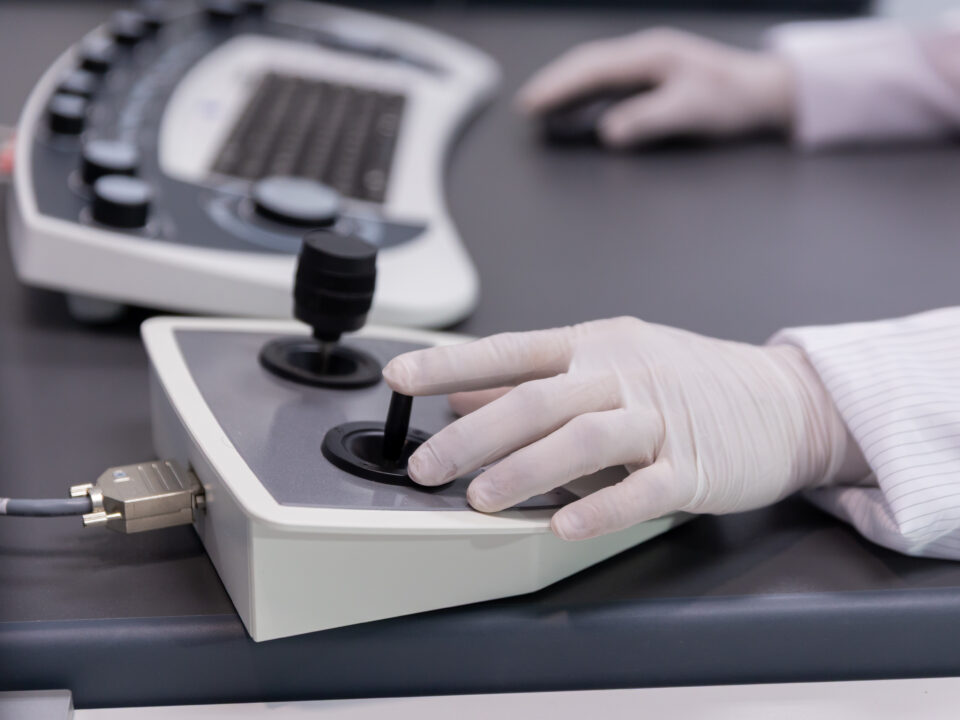
Particle Extraction · Gravimetric Analysis · Microscopic Sizing and Counting · Particle Classification · SEM-EDX Identification
ISO/IEC 17025 Accredited Testing Where Applicable | Automotive Cleanliness Workflow | Automotive Specialist
A particle smaller than a tenth of a millimetre can affect a hydraulic valve, score a fuel injector nozzle, or interfere with a narrow control orifice. The risk depends on the component, the clearance, the material, and the cleanliness limit defined by the OEM or customer specification.
In automotive manufacturing, particle analysis is a technical cleanliness workflow used to extract, count, size, classify and identify particulate contamination on automotive components. It helps manufacturers understand how much contamination is present, how large the particles are, and what materials they are made of.
The results are commonly used for components where particles may affect hydraulic flow, fuel injection, lubrication, cooling, sealing or electronic reliability, then compared against ISO 16232, VDA 19.1, OEM specifications or customer cleanliness limits.
What Is Particle Analysis
A complete particle analysis workflow usually looks at three practical areas.
What the test checks
Why it matters
Total particle mass
Shows the overall contamination load on the component
Particle count and size distribution
Shows whether particles exceed the defined size or count limits
Particle type or material
Helps identify whether the contamination is metallic, non-metallic, fibrous, organic, mineral or another material type
No single measurement gives the full picture. A component may have a low total particle mass but still contain one large metallic particle that could interfere with a valve or precision bore. Another component may have many small particles but still remain within the agreed cleanliness requirement. Particle analysis combines mass, size distribution and particle type so that manufacturers and OEMs can evaluate cleanliness against a defined specification.
For a full comparison of how cleanliness requirements are handled under the two main automotive cleanliness frameworks, see our companion article on ISO 16232 vs VDA 19.
How the Particle Analysis Workflow Works
Particle analysis is not a single test. It is a controlled workflow that moves from extraction to quantification, characterisation and reporting.
Stage
What happens
Main output
Extraction
Particles are removed from the component using a controlled method
Extracted particles in liquid or on a collection medium
Quantification
Particles are weighed, counted and measured
Particle mass, count and size distribution
Characterisation
Particles are classified or identified by material type
Metallic, non-metallic, fibre, polymer, mineral or elemental information
Reporting
Results are compared with the specified cleanliness requirement
Cleanliness code, particle limits or customer report format
This workflow is applied to functionally relevant surfaces, internal channels and component areas where contamination could affect performance, reliability or acceptance by the customer.
Particle Extraction Methods
Before particles can be counted or identified, they must be removed from the component in a controlled way. The purpose of extraction is to collect contamination from the relevant surfaces without adding particles from the test environment, solvent, equipment or handling process.
The extraction method depends on component geometry, surface condition, component weight, cleanliness requirement and whether the component can safely contact liquid.
Extraction method
Use when
Notes
Agitation
Components with simple shapes and open internal cavities
Useful for accessible surfaces and parts that can tolerate immersion
Pressure rinsing
Relevant surfaces or channels can be reached by controlled liquid flow
Suitable for defined flow paths, surfaces and internal areas
Ultrasonic extraction
The component has complex surfaces, recesses or difficult geometry
Helps dislodge particles from areas that direct rinsing may not reach
Air jet extraction
The component should not contact liquid
Used only when particles can still be captured and controlled for analysis
Before an extraction method is used for production testing, it should be validated for the component and requirement. A declining extraction curve is commonly used to show that repeated extraction cycles produce a decreasing particle count. This helps confirm that the method is removing the available contamination rather than leaving a significant unmeasured residue.
A blank value test is also important. It checks the cleanliness of the extraction equipment, solvent, membrane and test environment before the component result is interpreted. If the blank value is too high, the result may be distorted by particles introduced during the test process rather than particles from the component itself.
Particle Quantification Methods
After extraction, the liquid is filtered through a membrane so that particles can be collected and analysed. In the ALS workflow shown in the reference material, the analysis includes gravimetric measurement and microscopic sizing and counting on the filter membrane.
Method
What it measures
Why it matters
Limitation
Gravimetric analysis
Total mass of particles collected on the membrane
Gives a fast overall contamination index
Does not show particle size distribution
Microscopic sizing and counting
Particle count and size range on the filter membrane
Shows whether particles exceed count or size limits
Requires a validated microscope and image analysis method
Liquid particle counting where specified
Particles suspended in liquid
May be used when the customer or method requires it
Should not be confused with membrane-based microscopic counting
Gravimetric analysis is useful because it shows the overall contamination load. However, mass alone does not show whether the contamination comes from many small particles or one oversized particle. This matters because a single large metallic particle can create more functional risk than a higher number of smaller particles within specification.
Microscopic sizing and counting addresses this gap. The filter membrane is examined using a calibrated microscope and image analysis system. Particles are counted, measured and grouped into defined size ranges. This provides the size distribution data needed to evaluate the component against the cleanliness code or particle count limits defined by the customer, ISO 16232, VDA 19.1 or the relevant reporting template.
Particle Characterisation and Material Identification
Quantification shows how many particles are present and how large they are. Characterisation helps explain what the particles are and where they may have come from.
Particle or method
What it indicates
Why it matters
Metallic shiny particles
Possible machining, cutting, wear or metallic debris
Important for wear, scoring, valve sticking and possible electrical concerns
Non-metallic or non-shiny particles
Polymer, rubber, mineral, oxide-coated material or residue
Helps separate metallic debris from other process or handling contamination
Fibres
Packaging, wipes, clothing, handling or the production environment
Useful for tracing contamination from handling or packaging steps
SEM-EDX
Elemental composition of a particle
Helps distinguish iron, aluminium, stainless steel, glass, ceramic or mineral particles
FTIR
Organic or polymer-based material type
Useful for plastics, elastomers, oil, residue or organic contamination
Fibre classification should follow the applicable inspection specification. In the ALS example report, fibres are treated as non-metallic particles with a length-to-width ratio greater than 20, the maximum diameter ≤ 50 µm. Other standard editions or customer specifications may use different fibre measurement criteria.
Where the exact identity of a particle must be confirmed, SEM-EDX can provide elemental composition data. FTIR may also be used when the particle is organic or polymer-based. These methods are especially useful when particle analysis is used not only for cleanliness classification, but also for contamination source investigation.
How Particle Analysis Results Are Reported
Particle analysis results are usually reported as a cleanliness result showing particle count, particle size range and sometimes particle type. In many automotive cleanliness reports, this is expressed as a Component Cleanliness Code. The exact notation depends on the ISO 16232 edition, VDA 19.1 edition, OEM specification or customer reporting template.
A Component Cleanliness Code gives OEMs, suppliers and laboratories a shared way to communicate the particle profile of a component. The code groups particles into defined size ranges and assigns a cleanliness level for each range.
Example
CCC = A (B11/C9/D7/E6/F3/G0/H1/I00/J00/K00)
In this example, each letter represents a particle size range and each number indicates the count level found in that range. Lower numbers generally indicate fewer particles in that size class.
The exact notation, size classes and upper size ranges should always follow the applicable standard edition, OEM specification or customer reporting template. Some reports may use B to K notation, while other specifications or standard updates may use extended ranges. For this reason, the code should be treated as a reporting example rather than a universal format for every cleanliness inspection.
The measured cleanliness result is then compared against the customer requirement, drawing, purchase specification or internal quality limit. This gives the manufacturer a clearer basis for release, investigation, supplier qualification or corrective action.
Where Particle Analysis Matters Most
Particle analysis is most valuable for components where particulate contamination has a direct path to functional failure.
Application area
Typical risk
Why particle analysis helps
Hydraulic systems
Sticking valves, scoring, leakage or restricted flow
Checks particles in narrow passages and precision clearances
Fuel injection systems
Nozzle damage, spray disruption or flow concern
Detects oversized or hard particles before assembly
Transmission and lubrication components
Wear in oil passages, bearings or moving interfaces
Supports process control and supplier qualification
Cooling and thermal management components
Flow restriction, sealing issue or thermal transfer concern
Useful for EV and high-precision cooling circuits
Power electronics and electronic assemblies
Insulation risk, bridging or process contamination
Particle type can matter as much as particle size
Particle analysis is also useful during supplier qualification, process validation, field failure investigation and production change control. If a machining process, washing process, packaging material or assembly step changes, particle analysis can help confirm whether the change has affected cleanliness.
Frequently Asked Questions
What is the difference between particle analysis and visual cleanliness inspection
A visual cleanliness inspection can identify visible contamination, but it cannot measure particle count, size distribution, mass or material composition with the same level of detail. Particle analysis is a controlled laboratory process that produces quantitative cleanliness data for OEM review, supplier quality requirements and process investigation.
Can particle analysis identify the source of contamination
Particle analysis can provide strong evidence about possible contamination sources. Metallic shiny particles may point to machining or wear. Fibres may point to packaging, wiping materials, clothing or handling. SEM-EDX and FTIR can provide more detailed material information. Definitive source attribution may still require a broader failure analysis or process investigation.
Do all automotive components require particle analysis
No. Particle analysis is applied selectively to components where particulate contamination creates a defined functional or quality risk. This often includes components with narrow fluid channels, precision clearances, sealing surfaces, hydraulic passages, fuel pathways, cooling circuits or sensitive electronic areas. If an OEM drawing or customer specification defines a cleanliness requirement, particle analysis may be needed to verify compliance.
Is particle analysis always covered by ISO/IEC 17025 accreditation
Not necessarily. ISO/IEC 17025 accreditation applies to specific methods within a laboratory’s accredited scope. Some parts of the workflow may be accredited, while additional particle classification, SEM-EDX, FTIR or source investigation may be reported as supporting analysis depending on the laboratory scope and customer requirement. For formal submissions, the applicable scope should be confirmed before testing.
Request a Particle Analysis Quote
Whether you are establishing a cleanliness testing programme for a new component, investigating contamination from a production process, or qualifying a supplier against an OEM cleanliness requirement, ALS Testing can support particle analysis for automotive components.
What to prepare before submitting samples
Applicable standard or customer specification
Cleanliness limit or required Component Cleanliness Code
Component drawing and material information
Critical surfaces or internal channels to be assessed
Sample quantity and production condition
Packaging condition and handling requirements
OEM report template where applicable
Testing under ISO/IEC 17025 accreditation is available where covered by the applicable accredited scope. Additional particle identification support such as SEM-EDX or FTIR can be included where required by the customer specification or investigation objective.
Next Steps
See our full Technical Cleanliness Testing services for automotive components at https://www.alstesting.co.th/technical-cleanliness-testing/
Read our companion guide comparing the two governing standards ISO 16232 vs VDA 19
For a deeper look at particle size distribution and cleanliness classification, see our explainer on Particle Size Analysis
Contact our team for a particle analysis quotation or technical discussion at https://www.alstesting.co.th/contact-us/
ISO/IEC 17025 Accredited Testing Where Applicable | Extraction, Microscopic Counting and Particle Identification Support | Automotive Cleanliness Testing
Read moreJune 30, 2026
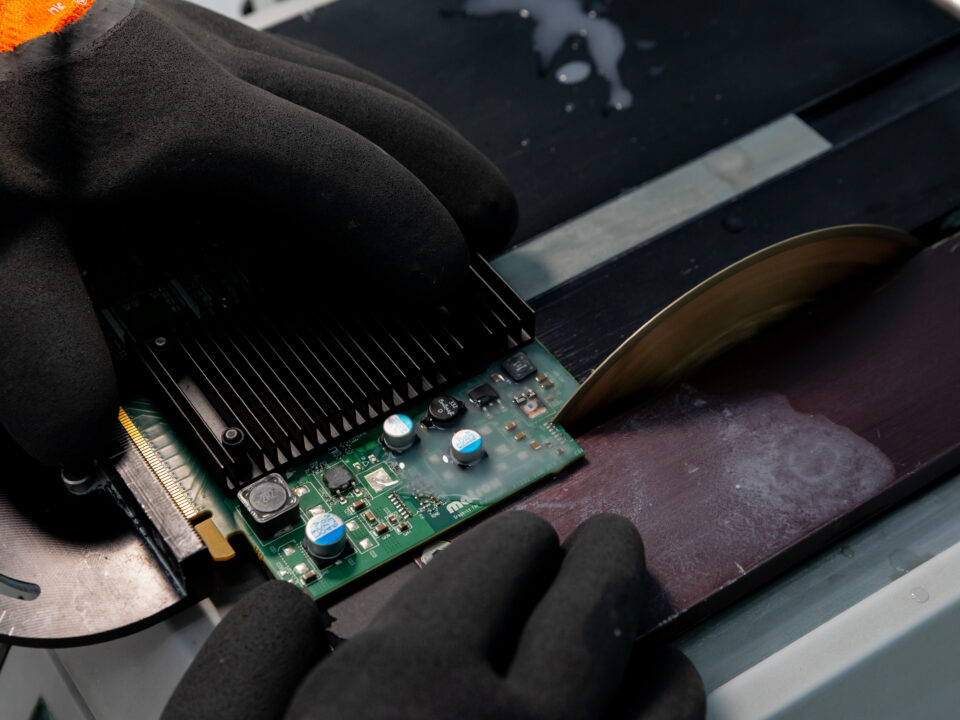
SEM · EDX · FTIR · Cross-Sectioning · Root Cause Investigation
ISO/IEC 17025 Accredited Testing Where Applicable | SEM EDX FTIR Cross-Section Support | Automotive Failure Analysis
A component can fail in many ways. It may crack during qualification testing, return from the field with corrosion, show a coating defect, or fail electrically without an obvious surface mark. The first question is usually what failed. The more useful question is why it failed.
Scanning electron microscopy analysis is one of the key techniques used in automotive failure investigation because it can examine fracture surfaces, corrosion features, particles, coatings and surface defects at much higher magnification than optical microscopy. It is rarely used alone. A stronger investigation usually combines SEM with EDX, FTIR, cross-sectioning and background information from the component’s service or production history.
A good failure analysis does not jump straight to the highest magnification. It starts with the least destructive checks, builds evidence step by step, and only cuts or alters the sample when the investigation has a clear reason to do so.
What Happens During Failure Analysis
Failure analysis is a structured investigation used to understand the physical, chemical or mechanical evidence behind a component failure. The aim is not simply to take microscope images. The aim is to connect the observed damage with the most likely failure mechanism and the conditions that caused it.
A typical investigation moves from broad observation to targeted analysis.
Stage
What it does
Why it matters
Visual and optical examination
Documents the sample as received and locates the failure area
Preserves evidence before cutting, cleaning or coating
SEM imaging
Examines fracture surfaces, corrosion, particles or surface defects at high magnification
Shows fine surface features that optical microscopy may miss
EDX analysis
Detects elemental signals from selected areas or particles
Supports material, contamination or corrosion hypotheses
FTIR spectroscopy
Identifies organic materials such as polymers, oils, coatings or residues
Useful for non-metallic contamination and polymer-related failures
Cross-sectioning
Cuts and polishes the sample to reveal internal structure
Shows coating layers, interfaces, crack paths, porosity or solder joint features
The order can change depending on the sample, but the principle is the same. Non-destructive documentation should come first. Destructive preparation should come later, once the analyst knows what evidence needs to be exposed.
Visual and Optical Examination
The first stage is simple but important. The laboratory documents the sample condition, photographs the failure area and records visible features such as cracks, corrosion, staining, deformation, wear marks or coating damage.
Stereo microscopy gives a low magnification overview with depth of field. This helps the analyst decide where to examine next with SEM or where a cross-section should be taken. Skipping this stage can remove context that may be needed later, especially if the sample is cut, cleaned or mounted.
Scanning Electron Microscopy Analysis
SEM uses a focused electron beam to scan the sample surface and create high magnification images. In failure analysis, this is especially useful for fracture surfaces and rough three-dimensional features.
On a broken metal part, SEM may show features that support a fatigue, overload, brittle fracture or wear-related interpretation. Fatigue striations, where present, can indicate progressive crack growth. Dimpled features may support ductile overload. Cleavage-like facets may support brittle fracture. These features are not interpreted in isolation; they must be considered with material, loading history, geometry and service conditions.
SEM is also useful for corrosion deposits, coating defects, particles, contamination and surface damage. It can show morphology clearly, but it does not identify every chemical compound by itself. That is why SEM is often paired with EDX.
What EDX Adds to SEM
EDX, also written as EDS, detects characteristic X-rays emitted from the sample when it is examined under the electron beam. This allows the analyst to identify elements present in a selected point, area or particle.
For example, EDX may detect chlorine, sulfur, oxygen, iron, aluminium, copper, silicon or other elemental signals. These signals can support a corrosion, contamination or material transfer hypothesis. However, EDX should not be described as confirming a specific compound on its own. Detecting chlorine does not automatically prove a defined chloride compound, and detecting sulfur does not automatically prove sulfate. The result needs to be interpreted with the sample condition, morphology and any supporting tests.
FTIR for Organic Materials and Residues
SEM and EDX are strong tools for imaging and elemental analysis, but they are not the best choice for identifying organic materials. FTIR is used when the question involves polymers, coatings, adhesives, oils, elastomers or residue films.
FTIR measures how a material absorbs infrared light and produces a spectrum that can be compared with reference data. In automotive failure analysis, FTIR may help identify a seal material, a polymer contaminant, an adhesive residue, a coating film or degraded organic material found near the failure area.
Cross-Section Analysis
Some failures cannot be understood from the surface. Cross-section analysis is used when the investigation needs to see inside the material, coating, solder joint, plated layer or bonded interface.
The sample is mounted, cut, ground and polished to expose the area of interest. In metals, etching may be used to reveal microstructure. In coatings or electronics, the cross-section can show layer thickness, voids, cracks, delamination, porosity or interface defects.
Because cross-sectioning permanently changes the sample, it should be performed after visual and surface examination. The cut location should be chosen based on the evidence already collected.
Which Technique Fits Which Failure
Different failure symptoms need different evidence. The table below gives a practical starting point, but the final test plan should be based on the sample condition and investigation objective.
Failure symptom
Useful techniques
Evidence the laboratory may look for
Cracked metal component
Visual exam, SEM, EDX, cross-sectioning
Crack origin, fracture mode, inclusions, corrosion or overload features
Corroded connector
Visual exam, SEM, EDX, FTIR where residue is present
Corrosion morphology, elemental signals, residue or film identification
Coating defect
Optical exam, cross-sectioning, SEM, FTIR
Coating thickness, adhesion issue, contamination, interface condition
Polymer or rubber failure
FTIR, optical exam, SEM where needed
Material identification, degradation, contamination or surface damage
Unknown particles or residue
SEM-EDX, FTIR
Elemental profile, organic material type or possible contamination source
A single technique may answer part of the issue, but most root cause work needs multiple evidence streams. SEM can show how a surface failed. EDX can add elemental information. FTIR can identify organic residue. Cross-sectioning can show what happened below the surface.
Example Investigation
Consider an automotive connector returned from the field after intermittent electrical failure. Visual examination may show staining around the contact area. SEM can examine the contact surface at higher magnification and show corrosion morphology or particles between contacts. EDX can detect elemental signals such as chlorine, sulfur, copper, tin or other elements that support a contamination or corrosion hypothesis.
If a film or residue is present, FTIR may help identify whether it is an oil, polymer, adhesive residue or process-related organic material. If moisture ingress or seal failure is suspected, a cross-section through the sealing area can show whether the interface, seal geometry or housing condition contributed to the failure.
The conclusion should be based on all of the evidence, not on one image or one spectrum alone.
What to Prepare Before Sending a Sample
Failure analysis is more focused when the laboratory receives both the failed part and the right background information. Prepare the following where available.
Component name and function
Failure symptom and when it was discovered
Whether the sample came from production, qualification testing or the field
Material grade, coating, plating or surface treatment
Operating environment such as heat, humidity, vibration or chemical exposure
Number of failed samples and number of good comparison samples
Photos before removal or cleaning, if available
Any previous test data or inspection records
What decision the report needs to support, such as root cause, corrective action or customer response
Avoid cleaning, cutting or altering the failed area before submission unless the laboratory advises it. If comparison samples are available, include them. A good part from the same lot can make the investigation much stronger.
What a Failure Analysis Report Can and Cannot Do
A failure analysis report can identify observed damage, describe the evidence, explain the likely failure mechanism and support an evidence-based root cause conclusion. In many cases, it can also suggest contributing factors or recommend what process area should be checked next.
It should not be treated as a legal judgement by itself. Whether the root cause becomes supplier responsibility, design issue, production escape, misuse or field exposure depends on technical evidence plus contractual and commercial context.
Turnaround time also depends on scope. A simple SEM-EDX examination may be faster than a multi-technique investigation involving cross-section preparation, FTIR and comparison samples. If the case is urgent, the timing should be discussed before the test plan is confirmed.
Frequently Asked Questions
Do I need to know which technique I need before contacting a laboratory
No. You can send the failure description, photos and available background information first. The laboratory can recommend whether SEM, EDX, FTIR, cross-sectioning or another method is appropriate.
What is scanning electron microscopy analysis used for
Scanning electron microscopy analysis is used to examine fine surface features such as fracture morphology, corrosion deposits, wear marks, particles, coating defects and contamination. It helps show details that are not visible with normal optical microscopy.
Can SEM and EDX identify the exact cause of corrosion
They can support a corrosion investigation by showing morphology and elemental signals. They may indicate the presence of elements such as chlorine, sulfur or oxygen. The exact cause still depends on supporting evidence such as service history, material condition, environment, residue analysis and process data.
Is failure analysis only for metal components
No. Failure analysis can be applied to metals, polymers, rubber, coatings, adhesives, electronics materials and composites. The technique selection depends on the material and the failure symptom.
Is every failure analysis result covered by ISO/IEC 17025 accreditation
Not necessarily. ISO/IEC 17025 accreditation applies to specific methods within a laboratory’s accredited scope. If accredited results are required for submission, confirm the exact method and scope before testing begins.
Go Deeper into SEM Analysis
This article explains SEM as part of a broader failure analysis workflow. For a more detailed technical guide to SEM imaging, magnification, sample preparation and limitations, read the dedicated SEM Analysis for Automotive Failure Investigation article.
Request a Failure Analysis Quote
ALS Testing can support automotive failure analysis for cracked components, corrosion, coating defects, contamination, polymer issues and field-returned assemblies.
Testing under ISO/IEC 17025 accreditation is available where covered by the applicable accredited scope. Share the sample condition, failure background and required report purpose so the laboratory can recommend the right investigation plan.
Next Steps
Back to Failure Analysis Hub for the full service overview at https://www.alstesting.co.th/failure-analysis-services-sem-ftir-edx-als-testing/
Read the detailed SEM Analysis guide for automotive failure investigation
Explore FTIR material identification capabilities for automotive materials
Contact our team to discuss a failure analysis investigation at https://www.alstesting.co.th/contact-us/
ISO/IEC 17025 Accredited Testing Where Applicable | SEM EDX FTIR Cross-Section Support | Automotive Failure Analysis
Read moreJune 30, 2026
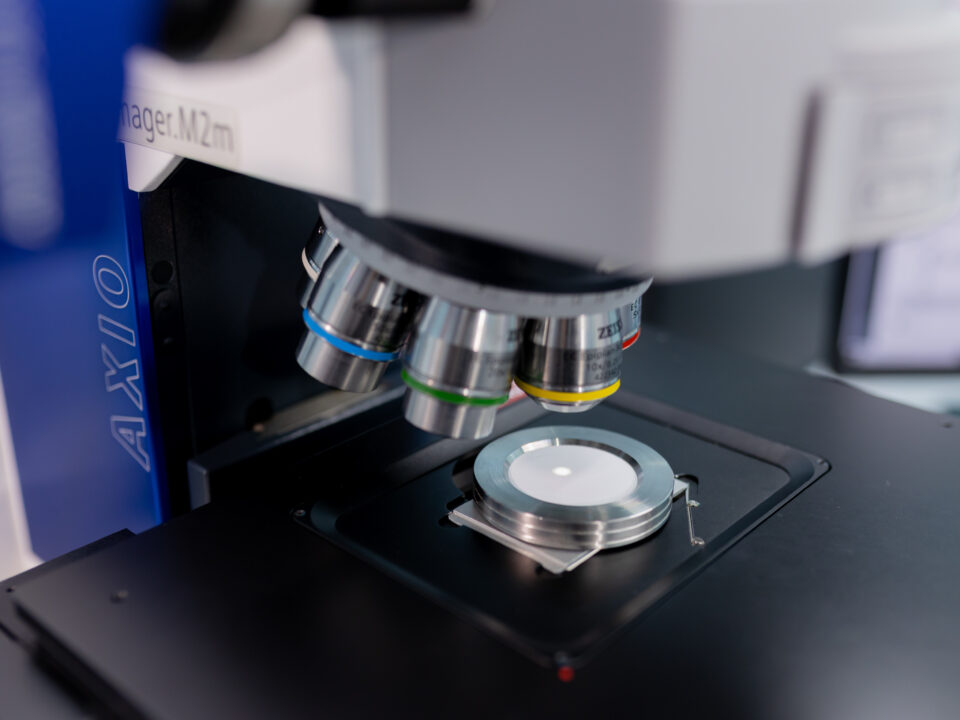
Cleanliness · Failure Analysis · Materials and Environmental · Chemical and Electronics
ISO/IEC 17025 Accredited Testing Where Applicable | Cross Discipline Testing Support | Automotive Specialist
Automotive testing standards help manufacturers prove that a component meets the requirement written in an OEM drawing, material specification, purchase document or quality agreement. The challenge is that automotive testing does not rely on one standard family. Cleanliness, corrosion, VOC emissions, humidity, PCB contamination and chemical compliance may each use different ISO, VDA, IEC, ASTM, IPC or regulatory references.
This guide brings the key automotive testing standards together by discipline, so engineering, quality and procurement teams can identify what each reference is used for and what information should be confirmed before sending samples to a laboratory.
How to Use This Guide
The standard named in the customer document should always be treated as the controlling requirement. If the drawing says ISO 9227, test to ISO 9227. If it says ASTM B117, test and report against ASTM B117. If it references an OEM method or a specific revision, send that document to the laboratory before testing starts.
For quick screening, use the table below to match the testing need with the standard family.
Testing need
Common standards or methods
What to confirm before testing
Technical cleanliness and particles
ISO 16232, VDA 19.1, VDA 19.2
Component surfaces, extraction method, cleanliness code and report format
Failure investigation
SEM, EDX, FTIR, microscopy, cross-sectioning
Failure mode, sample history, suspected material or process issue
Corrosion and environmental exposure
ISO 9227, ASTM B117, IEC 60068 series
Exposure condition, duration, inspection interval and acceptance criteria
Interior material emissions
VDA 278, ISO 12219, VDA 275, ISO 6452
Material type, OEM requirement, VOC or fogging criterion
Electronics and chemical testing
IPC-TM-650, J-STD-001, IEC 62321, REACH
Board type, target substances, acceptance limit and required report scope
Cleanliness and Particle Contamination Standards
Technical cleanliness testing measures particulate contamination on functionally relevant automotive components. It is often used for parts with narrow channels, sealing surfaces, fluid passages or precision clearances.
ISO 16232 specifies requirements for applying and documenting methods used to determine particulate contamination on functionally relevant components and systems of road vehicles. It is commonly used in global automotive supply chains.
VDA 19.1 is the German automotive guideline for inspection of technical cleanliness and particulate contamination on functionally relevant components. VDA 19.2 focuses on technical cleanliness in assembly environments, including the conditions that help prevent new contamination from being introduced during production.
ISO 16232 and VDA 19.1 are closely aligned for many component cleanliness applications, but the required reporting format, cleanliness class notation or customer template may still differ. The laboratory should follow the standard and format named in the customer requirement.
For detailed guidance, link this section to the ISO 16232 vs VDA 19 guide and the Particle Analysis in Automotive Manufacturing article.
Failure Analysis Techniques
Failure analysis usually does not start with one governing automotive test standard. It starts with a problem, such as fracture, corrosion, leakage, delamination, contamination, coating failure or unexpected wear. The laboratory then selects the techniques needed to build evidence around the failure mechanism.
SEM provides high magnification imaging of fracture surfaces, corrosion sites and contamination features. EDX adds elemental composition data from selected points or areas. FTIR can identify organic materials such as polymers, oils, coatings and residues. Cross-sectioning exposes internal structure, coating layers, solder joints, cracks or interfaces for closer examination.
These methods may be performed under accredited or validated laboratory procedures where covered by scope. If the report will be used for customer submission, legal review or supplier dispute, the required method, scope and reporting format should be confirmed before testing begins.
Materials and Environmental Testing Standards
Materials and environmental testing checks how automotive parts respond to heat, humidity, corrosion, emissions and other service related exposure conditions.
VDA 278 is used for thermal desorption analysis of VOC and FOG emissions from automotive interior materials. ISO 12219 covers vehicle interior air and component level VOC measurement methods. VDA 275 is used for formaldehyde emission testing of interior materials. ISO 6452 assesses fogging behaviour of interior trim materials that may deposit condensable films on glass surfaces.
ISO 9227 defines salt spray test atmospheres including neutral salt spray, acetic acid salt spray and copper accelerated acetic acid salt spray. ASTM B117 is a salt spray or salt fog practice commonly referenced in ASTM based or North American specifications and is broadly comparable to the neutral salt spray atmosphere in ISO 9227.
The IEC 60068 series is used for environmental testing of electrotechnical products and components. IEC 60068-2-14 covers change of temperature testing. IEC 60068-2-1 covers cold testing. IEC 60068-2-2 covers dry heat testing. IEC 60068-2-78 covers damp heat steady state testing. The exact severity, duration and acceptance criteria should come from the product or customer specification.
Chemical and Electronics Standards
Chemical and electronics testing covers ionic contamination, soldering cleanliness evidence, restricted substances and material compliance.
IPC-TM-650 2.3.28 is an ion chromatography method for ionic analysis of circuit boards. It can be used to identify and quantify specific anions and cations extracted from printed boards or assemblies.
J-STD-001 is an assembly requirement standard for soldered electrical and electronic assemblies. It should not be described as a universal requirement for ion chromatography on every PCB. Cleanliness compliance may be supported by objective evidence, qualified process data, SIR testing, ionic process monitoring, IC analysis or customer specific requirements.
IEC 62321 is the method series used to determine certain restricted substances in electrotechnical products for RoHS related assessment. REACH SVHC screening is a regulatory compliance activity based on substances of very high concern identified under REACH. The analytical method depends on the substance category and the required reporting scope.
Master Standards Reference
Use this table as the main reference map. It separates formal standards, regulatory references and analytical techniques so they are not treated as the same type of requirement.
Reference
Discipline
What it covers
ISO 16232
Cleanliness
Particulate contamination inspection for functionally relevant road vehicle components and systems
VDA 19.1
Cleanliness
Technical cleanliness inspection for particulate contamination in automotive components
VDA 19.2
Cleanliness
Technical cleanliness control in assembly environments
SEM, EDX, FTIR and cross-sectioning
Failure analysis
Analytical techniques used for root cause investigation, material identification and failure evidence
VDA 278
Materials and environmental
VOC and FOG thermal desorption analysis for automotive interior materials
ISO 12219
Materials and environmental
VOC measurement for vehicle interior air and interior materials
VDA 275
Materials and environmental
Formaldehyde emission testing for automotive interior materials
ISO 6452
Materials and environmental
Fogging behaviour of interior trim materials
ISO 9227
Materials and environmental
Salt spray corrosion testing including NSS, AASS and CASS atmospheres
ASTM B117
Materials and environmental
Salt spray or salt fog apparatus practice, commonly used for neutral salt spray testing
IEC 60068-2-14
Materials and environmental
Change of temperature testing
IEC 60068-2-1
Materials and environmental
Cold testing
IEC 60068-2-2
Materials and environmental
Dry heat testing
IEC 60068-2-78
Materials and environmental
Damp heat steady state testing
IPC-TM-650 2.3.28
Chemical and electronics
Ionic analysis of circuit boards by ion chromatography
J-STD-001
Chemical and electronics
Soldered assembly requirements and cleanliness evidence framework
IEC 62321 series
Chemical and electronics
Determination of certain restricted substances in electrotechnical products
REACH SVHC
Chemical and electronics
Screening or assessment for substances of very high concern under REACH
How Accreditation Supports Testing
ISO/IEC 17025 accreditation provides independent recognition that a laboratory is competent to perform specific testing or calibration activities within its accredited scope. It does not automatically mean every method, standard, technique or investigation type listed in a guide is covered.
For formal submissions, supplier qualification or OEM review, confirm three things before testing starts.
The required standard and revision
Whether the method is covered by the laboratory’s accredited scope
The report format or customer template required for submission
ILAC MRA recognition can support international acceptance of accredited results between accreditation bodies and markets, but customer acceptance still depends on the specification, contract requirement and scope of accreditation.
Choosing the Right Standard
The easiest way to avoid retesting is to start from the source document rather than from a general service name. A request that says “automotive testing” or “environmental test” is usually not enough.
What you have
What it usually tells the laboratory
What may still be missing
OEM drawing
Standard name, acceptance criteria and sometimes sample condition
Revision, test duration or report template
Material specification
Required test method and performance limit
Sample preparation or inspection intervals
Purchase or quality agreement
Required compliance evidence
Exact method variant or accreditation requirement
Internal issue report
Failure symptom and suspected cause
Correct analytical method and comparison baseline
No standard named
General testing need only
Laboratory must help define a suitable test plan before quotation
If the standard is unclear, send the full document title, revision, part number, material information, sample quantity and intended use of the report. This helps the laboratory confirm whether the work should be run under cleanliness testing, failure analysis, environmental testing, corrosion testing or chemical and electronics testing.
Frequently Asked Questions
How do I know which automotive testing standard applies
Start with the OEM drawing, material specification, purchase document or quality agreement. That document should name the standard, revision, test condition and acceptance criteria. If it does not, send the document to the laboratory for review before submitting samples.
Are ISO and VDA standards interchangeable
Not always. Some ISO and VDA methods are closely aligned, such as ISO 16232 and VDA 19.1 for technical cleanliness, but report format, notation and customer templates may differ. The report should follow the requirement named by the customer.
Is failure analysis covered by one automotive standard
Usually no. Failure analysis is a structured investigation using techniques such as SEM, EDX, FTIR, microscopy and cross-sectioning. The method depends on the failure mode and the evidence needed.
Does accreditation cover every standard in this guide
No. ISO/IEC 17025 accreditation applies to specific methods within the laboratory’s scope. If accredited results are required, confirm the exact method and scope before testing begins.
What should I send before asking for a quote
Send the standard name, revision, drawing or specification, sample description, material information, required acceptance criteria, report format and whether accredited results are required.
Explore ALS Testing Services by Discipline
ALS Testing supports automotive testing across cleanliness, failure analysis, materials and environmental testing, and chemical and electronics testing for manufacturers, suppliers and engineering teams in Malaysia and Southeast Asia.
Testing under ISO/IEC 17025 accreditation is available where covered by the applicable accredited scope. For standards or OEM methods not listed here, share the full requirement so ALS can confirm capability before samples are submitted.
Next Steps
Back to Automotive Testing Hub for the full service overview at https://www.alstesting.co.th/automotive-testing-services-als-testing-laboratory/
Technical Cleanliness Testing at https://www.alstesting.co.th/technical-cleanliness-testing/
Failure Analysis Services at https://www.alstesting.co.th/failure-analysis-services-sem-ftir-edx-als-testing/
Materials and Environmental Testing at https://www.alstesting.co.th/automotive-materials-environmental-testing-als-testing/
Chemical and Electronics Testing at /chemical-electronics-testing/
Review laboratory accreditation scope at /accreditations/
Contact our team for guidance on which standard applies to your component at https://www.alstesting.co.th/contact-us/
ISO/IEC 17025 Accredited Testing Where Applicable | Cross Discipline Automotive Testing Support | Standards Based Reporting
Read moreJune 30, 2026
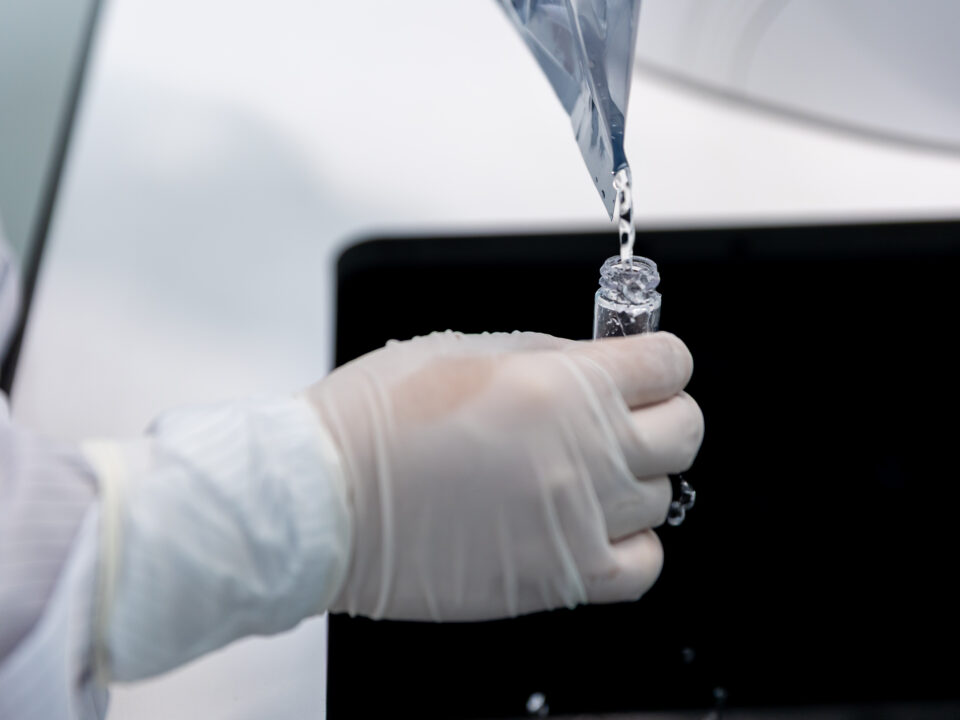
Ion Chromatography · ROSE Screening · IPC-TM-650 2.3.28 · J-STD-001 Cleanliness Evidence
ISO/IEC 17025 Accredited Testing Where Applicable | Anion and Cation Analysis | Electronics Testing Support
A printed circuit board can pass functional testing at the end of production and still fail later in the field. One reason is residual ionic contamination left after soldering, cleaning or handling. These residues may not be visible, but under humidity and voltage bias they can support corrosion, leakage current or electrochemical migration.
A PCB test for ionic contamination helps manufacturers check whether residues on a board or assembly are within the cleanliness requirement defined by a customer, OEM or internal process control plan. For automotive electronics, this matters because control units, sensors, battery management systems and power electronics often operate under heat, vibration and humidity for long service periods.
In practical terms, PCB cleanliness testing does two things. It measures whether ionic residues are present, and it helps identify which ionic species are involved. That distinction is important because a total contamination number alone may not explain the source or risk of the residue.
Why PCB Cleanliness Test Matters
Ionic residues can come from flux activators, soldering chemistry, cleaning process variation, handling, packaging or the production environment. If these residues remain on the board, they may become active when moisture and electrical bias are present.
Risk area
What may happen
Why it matters in automotive electronics
Corrosion
Conductors, solder joints or contacts may corrode
Can reduce long term reliability of assemblies exposed to humidity
Electrochemical migration
Dendritic growth may form between biased conductors
Can create intermittent shorts or leakage paths
Leakage current
Residues may allow unwanted current flow
Can affect sensitive circuits and signal stability
Process variation
Residue levels may change between production lots
Helps identify cleaning, flux or handling issues before field failures
PCB cleanliness testing is therefore not only a pass or fail check. It is also a process control and root cause tool, especially when a supplier needs to prove that a soldering and cleaning process is stable.
ROSE Testing and Ion Chromatography
ROSE testing, also known as Resistivity of Solvent Extract testing, has long been used as a fast screening method for ionic contamination. It extracts ionisable residues into a solvent and measures the conductivity or resistivity change of that solution.
ROSE is useful for routine monitoring, but it reports contamination as an overall value. It does not identify whether the residue is chloride, sulfate, nitrate, acetate, formate, sodium, potassium, ammonium or another ionic species.
Ion chromatography gives more detail. It separates and measures individual ionic species in the extract. This makes IC more useful when the goal is root cause investigation, customer submission or a detailed cleanliness profile.
Method
What it shows
Best use
Limitation
ROSE testing
Overall ionic contamination response
Fast production screening and process monitoring
Does not identify individual species
Ion chromatography
Specific anions and cations in the extract
Detailed cleanliness profile, root cause work and customer evidence
Requires laboratory analysis and clear extraction conditions
SIR testing
Electrical insulation behaviour under humidity and bias
Process qualification and reliability evidence
Longer test duration and different purpose from IC
ROSE and IC should not be treated as interchangeable. ROSE can indicate that a process may need attention. IC can show which residues are present and help guide corrective action.
IPC Methods and Cleanliness Evidence
IPC-TM-650 2.3.28 is the IPC test method commonly associated with ionic analysis of circuit boards by ion chromatography. It is used to measure extractable ionic contamination from printed boards or printed board assemblies and report specific ions in the extract.
J-STD-001 is different. It is an assembly requirement standard for soldered electrical and electronic assemblies. It does not mean every PCB assembly must automatically be tested by IC. Cleanliness compliance depends on the class, product requirement, user agreement and objective evidence supporting the manufacturing process.
Reference
Role in PCB cleanliness testing
Practical point
IPC-TM-650 2.3.28
Ion chromatography method for extractable ionic contamination
Used when species level ionic data is required
J-STD-001
Assembly requirements including cleaning and residue expectations
Supports process qualification and objective evidence rather than one universal IC limit
Customer or OEM specification
Defines acceptance criteria, sample type, method and reporting format
Should be treated as the controlling requirement for submission
SIR or other reliability evidence
Shows electrical reliability under defined conditions
Often used alongside chemical cleanliness evidence for process validation
A key point is that there is no single universal pass or fail limit that applies to every PCB, assembly class and automotive application. The older 1.56 µg NaCl equivalent per cm² value should not be used as a blanket acceptance criterion for all modern PCB cleanliness work. Limits should come from the customer specification, OEM requirement, qualified process data or agreed objective evidence.
What Ion Chromatography Can Identify
Ion chromatography can measure anions such as chloride, fluoride, sulfate, nitrate, phosphate and organic acid residues such as acetate or formate, depending on the method and scope. It can also be used for cations such as sodium, potassium, ammonium and related ionic species where the test programme includes cation analysis.
The value of this species level result is practical. Elevated chloride may point toward corrosive residues or environmental chloride exposure. Organic acid residues may relate to flux chemistry or incomplete process control. Sodium or potassium may suggest handling, cleaning chemistry or environmental sources.
The report should not be read in isolation. A high ion result may indicate a contamination concern, but root cause depends on the board design, process history, flux system, cleaning process, storage condition and failure evidence.
Reading a PCB Cleanliness Test Report
A useful PCB cleanliness report should state the test method, extraction condition, sample area, board or assembly description, ions measured, result units and any customer limit used for comparison.
For IC, results are commonly reported by species, often as mass per unit area. The most useful part of the report is not only whether a limit is exceeded, but which ions dominate the result. That information can help the manufacturer decide whether to review flux residue, wash process, rinsing quality, handling, packaging or environmental exposure.
If the test is being used for formal submission, the report format should follow the customer or OEM requirement. If the test is being used for troubleshooting, the report should be interpreted together with production history and any visual or failure analysis evidence.
When to Pair PCB Cleanliness Testing with Failure Analysis
PCB cleanliness testing is useful for production monitoring and qualification, but field failures often need more than chemistry data. If a returned assembly shows corrosion, dendritic growth, leakage current or intermittent failure, IC can confirm whether ionic residues are present and identify the species involved.
Failure analysis can then examine the affected area directly. SEM-EDX may help characterise corrosion products or elemental composition at a failure site. Cross-sectioning or microscopy may show whether corrosion is linked to a solder joint, conductor spacing, coating defect or trapped residue under a component.
Used together, IC and failure analysis provide stronger evidence than either method alone.
Before Submitting Samples
Before sending a PCB or assembly for cleanliness testing, confirm the purpose of the test. A production screening request, an OEM qualification submission and a field failure investigation may need different sample handling and reporting.
Prepare the following information where available.
Board or assembly type
Customer or OEM specification
Required IPC method or internal method
Required ions, such as anions only or anions and cations
Acceptance criteria or objective evidence requirement
Board area or extraction area
Flux type and cleaning process
Production lot or failure background
Packaging and handling condition
Required report format
Samples should be handled in a way that avoids adding new contamination before testing. Packaging, gloves, storage and transport conditions can affect the result, especially when the residues of interest are present at low levels.
Frequently Asked Questions
Is ion chromatography always better than ROSE testing
Not always. IC provides more detailed information because it identifies individual ionic species. ROSE is still useful as a faster screening or process monitoring method. IC is more suitable when root cause evidence, species level data or customer submission detail is required.
What ionic species are most concerning on PCB assemblies
Chloride is often treated as a key concern because it can support corrosion at low levels under the right conditions. Sulfate, nitrate, organic acids, sodium, potassium, ammonium and amine related residues may also matter depending on the design, environment and customer specification.
Does J-STD-001 require ion chromatography for every PCB
No. J-STD-001 cleanliness requirements are tied to qualified manufacturing process and objective evidence. IC may be used as part of that evidence, but it is not automatically required for every PCB in every situation.
Is 1.56 µg NaCl equivalent per cm² still a universal pass fail limit
No. It should not be used as a universal cleanliness limit for all PCB assemblies. Modern cleanliness assessment should follow the customer requirement, product class, qualified process data and agreed objective evidence.
Does PCB cleanliness testing also cover RoHS or REACH
No. Ionic contamination testing and RoHS or REACH compliance are different test programmes. PCB cleanliness testing looks at ionic residues that may affect electrical reliability. RoHS and REACH relate to restricted substances and chemical compliance.
Request a PCB Cleanliness Testing Quote
ALS Testing can support PCB cleanliness testing for production checks, process qualification, customer submission and field failure investigation.
Testing under ISO/IEC 17025 accreditation is available where covered by the applicable accredited scope. If accredited results are required, confirm the exact method, ions, sample type and reporting requirement before testing begins.
What to prepare before requesting a quote
PCB or assembly description
Required method or customer specification
Required ion list
Sample quantity and board area
Acceptance limit or objective evidence requirement
Flux and cleaning process information
Failure background if applicable
Required report format or OEM template
Providing these details early helps the laboratory confirm the right extraction approach, analysis scope, report format and turnaround time.
Next Steps
See our full Chemical and Electronics Testing services at /chemical-electronics-testing/
Read our guide on PCB failure investigation and root cause analysis at https://www.alstesting.co.th/failure-analysis-services-sem-ftir-edx-als-testing/
Explore Technical Cleanliness Testing services for components beyond electronics at https://www.alstesting.co.th/technical-cleanliness-testing/
Contact our team for a PCB cleanliness testing quotation or technical discussion at https://www.alstesting.co.th/contact-us/
ISO/IEC 17025 Accredited Testing Where Applicable | Ion Chromatography for PCB Cleanliness | Electronics Testing Support
Read moreJune 30, 2026
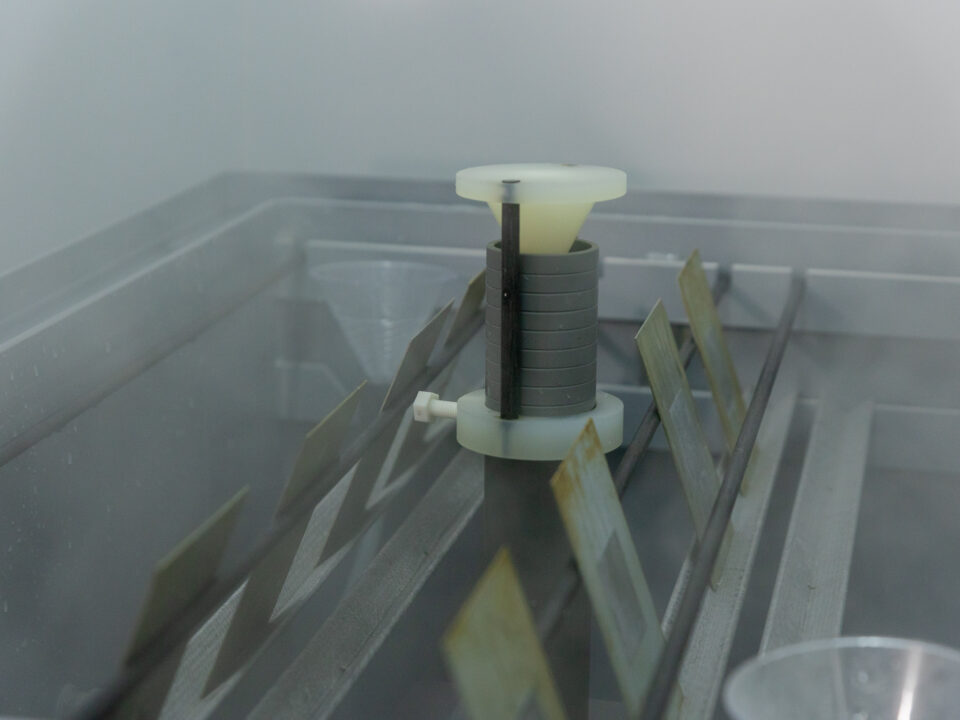
Neutral Salt Spray · Acetic Acid Salt Spray · Copper Accelerated Test · Cyclic Corrosion Testing
ISO/IEC 17025 Accredited Testing Where Applicable | Corrosion Testing Capability | Automotive Standard Testing
A vehicle’s underbody, fasteners, brackets, exterior fittings and coated metal parts are exposed to moisture, road salt, temperature changes and surface damage throughout service life. Manufacturers need a controlled way to evaluate whether a coating, plating or corrosion protection system meets the requirement stated in an OEM drawing or material specification.
Salt spray testing provides controlled corrosion exposure inside a test chamber. It should not be treated as a direct conversion from test hours to years of road use. The result is used for comparison, qualification and quality control against a defined standard, exposure duration and acceptance criterion.
For automotive parts, the most commonly referenced standards are ISO 9227 and ASTM B117. ASTM B117 is broadly comparable to the neutral salt spray atmosphere in ISO 9227, while ISO 9227 also includes AASS and CASS atmospheres for specific materials and coating systems.
What Salt Spray Testing Measures
Salt spray testing, also called salt fog testing, exposes a specimen to an atomised salt solution in a controlled chamber. The test is used to assess how a material, coating, plating or corrosion protection system responds under a defined corrosive atmosphere.
For automotive components, the result is usually assessed through visual inspection after a defined exposure period. Depending on the specification, the report may evaluate white corrosion, red rust, blistering, corrosion creep from scribed areas, coating breakdown or another acceptance criterion.
What the test checks
Why it matters
Corrosion formation
Shows whether corrosion appears within the specified exposure period
Coating or plating performance
Helps assess whether surface protection meets the requirement
Corrosion creep from scribe
Used when the specification requires evaluation from a damaged coating line
White corrosion or red rust
Common acceptance criteria for plated or coated metallic parts
Visual rating or pass fail result
Supports supplier approval, production validation or OEM submission
Salt spray testing is useful because it is standardised and repeatable. Its main limitation is that it does not reproduce every real driving condition such as drying cycles, UV exposure, road debris, coating damage or climate variation.
ISO 9227 Test Atmospheres
ISO 9227 defines three main salt spray atmospheres. The correct atmosphere should come from the customer specification, not from general preference.
ISO 9227 atmosphere
Common name
Typical use
NSS
Neutral Salt Spray
General corrosion testing for metallic materials with or without corrosion protection
AASS
Acetic Acid Salt Spray
More aggressive testing for selected coatings, aluminium related applications and decorative plating systems where specified
CASS
Copper Accelerated Acetic Acid Salt Spray
Highly aggressive testing often used for decorative copper nickel chromium or nickel chromium coating systems where specified
NSS is the most common route for automotive coated or plated parts. AASS and CASS should only be selected when the product standard, OEM requirement or customer specification calls for those atmospheres.
ASTM B117 and ISO 9227 NSS
ASTM B117 is the American standard practice for operating salt spray or salt fog apparatus. In automotive supply chains, it is often referenced by North American drawings, material standards and customer requirements.
The key point is that ASTM B117 should be compared mainly with ISO 9227 NSS. It should not be treated as identical to ISO 9227 as a whole because ISO 9227 also includes AASS and CASS.
Dimension
ISO 9227
ASTM B117
Main scope
Salt spray testing with NSS, AASS and CASS
Salt spray or salt fog apparatus practice
Closest overlap
ISO 9227 NSS
ASTM B117 neutral salt fog
Additional atmospheres
AASS and CASS included
Not the main focus
Typical use
Global, European and Asian OEM specifications
North American and ASTM based specifications
Test duration
Set by product, OEM or customer specification
Set by product, OEM or customer specification
Acceptance criteria
Defined by the citing specification
Defined by the citing specification
A chamber capable of running one method may often support the other when properly validated, but the report must follow the exact standard named in the requirement.
Continuous Salt Spray and Cyclic Corrosion Testing
Continuous salt spray testing creates a constant salt fog environment. It is repeatable, but it does not represent every condition that a vehicle experiences in service. Real exposure often includes wet periods, dry periods, humidity changes, temperature variation and surface damage.
Cyclic corrosion testing is used when the specification requires alternating phases instead of constant salt fog.
Test type
Exposure pattern
When it is used
Continuous salt spray
Constant salt fog exposure
When ISO 9227 NSS, AASS, CASS or ASTM B117 is specified
Cyclic corrosion testing
Alternating salt, humidity, drying and sometimes other stages
When an OEM protocol requires changing wet and dry exposure
OEM corrosion protocol
Defined by manufacturer standard
When the drawing references a specific automotive corrosion method
If the requirement names a cyclic corrosion method, it should not be replaced with continuous salt spray unless the customer approves the change.
How Long a Salt Spray Test Takes
Test duration is set by the product specification, customer requirement or OEM drawing. The laboratory should not assume one generic duration for every component.
Example duration
Common use case
Important note
24 to 96 hours
Basic screening or lower severity requirements
Use only when the specification allows it
240 hours
Moderate coating or plating requirements
Acceptance depends on the defined corrosion limit
500 hours
Higher durability or exterior related requirements
Does not equal a fixed number of service years
1,000 hours or more
Demanding corrosion resistance requirements
Requires advance scheduling and chamber planning
A component can pass a shorter exposure and still fail a longer one. This is why the required duration and acceptance criterion must be confirmed before testing starts.
Choosing the Right Salt Spray Test
The correct test method should always come from the drawing, material specification or customer requirement. A request that only says “salt spray test” is usually not enough.
Component or finish
Likely test route
What to confirm
Painted or coated steel parts
ISO 9227 NSS or ASTM B117
Exposure duration, scribe requirement and corrosion limit
Plated fasteners
ISO 9227 NSS or ASTM B117
White corrosion, red rust and coating specific criteria
Aluminium components
ISO 9227 NSS or AASS where specified
Material grade, coating type and atmosphere
Decorative plating systems
AASS or CASS where specified
Plating system and required severity
Exterior parts with wet dry exposure
Cyclic corrosion testing where specified
Exact OEM cycle and inspection points
Before testing, confirm the standard, atmosphere, duration, sample condition, inspection interval and pass fail criteria.
What the Result Tells You
A salt spray test result shows the condition of the specimen after exposure under a defined method. It may report corrosion products, coating blistering, corrosion creep, red rust, white corrosion or another visible change depending on the material and coating.
The result should be interpreted only against the acceptance criteria in the specification. It does not automatically prove long term field performance unless the customer has defined how the result should be used.
A complete report should state the standard used, test atmosphere, exposure duration, chamber conditions, sample description, inspection points and observed result.
Before Submitting Samples
Prepare these details before requesting a salt spray test.
Required standard such as ISO 9227, ASTM B117 or an OEM method
Required atmosphere such as NSS, AASS, CASS or cyclic corrosion
Exposure duration in hours or cycles
Acceptance criteria
Coating, plating or material specification
Drawing number and revision
Scribe, masking or orientation requirements
Sample quantity and dimensions
Interim inspection and photo requirements
Required report format or OEM template
If these details are missing, the laboratory may need to clarify the requirement before testing can begin.
Frequently Asked Questions
Is ISO 9227 the same as ASTM B117
Not exactly. ASTM B117 is broadly comparable to ISO 9227 NSS. ISO 9227 also includes AASS and CASS, so the two standards should not be treated as identical in every case.
Can salt spray test hours be converted into years of service life
No. Salt spray hours should not be converted directly into years of service life. Real vehicle exposure depends on climate, road salt use, humidity, temperature, coating damage, design and maintenance.
How do I know whether to use NSS, AASS or CASS
The required atmosphere should come from the customer or OEM specification. NSS is the most common neutral salt spray atmosphere. AASS and CASS are more aggressive and should be used only where specified.
What does a salt spray test result show
It shows how the tested specimen performed under a defined corrosive atmosphere for a defined exposure period. The result is compared against the acceptance criteria in the specification.
Can a component pass 96 hours but fail 500 hours
Yes. A coating or plating system can look acceptable after a shorter exposure and still show unacceptable corrosion after a longer exposure.
Request a Salt Spray Testing Quote
ALS Testing can support salt spray and corrosion testing for coated, plated and metallic automotive components where testing is required for qualification, supplier approval, process validation or customer submission.
Testing under ISO/IEC 17025 accreditation is available where covered by the applicable accredited scope. If accredited results are required for submission, confirm the exact method and scope before testing begins.
What to prepare before requesting a quote
Applicable standard or customer specification
Required test atmosphere
Required exposure duration
Component drawing and revision
Coating, plating or material specification
Sample quantity and dimensions
Scribe, masking or orientation requirements
Acceptance criteria
Interim inspection and photo requirements
Required report format or OEM template
Providing these details at the enquiry stage helps the laboratory confirm the correct method, chamber configuration, schedule and report format before the test begins.
Next Steps
See our full Materials and Environmental Testing services for automotive at https://www.alstesting.co.th/automotive-testing-services-als-testing-laboratory/
Read our detailed explainer on accelerated environmental ageing test methods
Back to Automotive Testing Hub for the full service overview at https://www.alstesting.co.th/automotive-testing-services-als-testing-laboratory/
Contact our team for a salt spray testing quotation or technical discussion at /contact/
ISO/IEC 17025 Accredited Testing Where Applicable | ISO 9227 and ASTM B117 Capability | Cyclic Corrosion Testing Available
Read moreJune 2, 2026
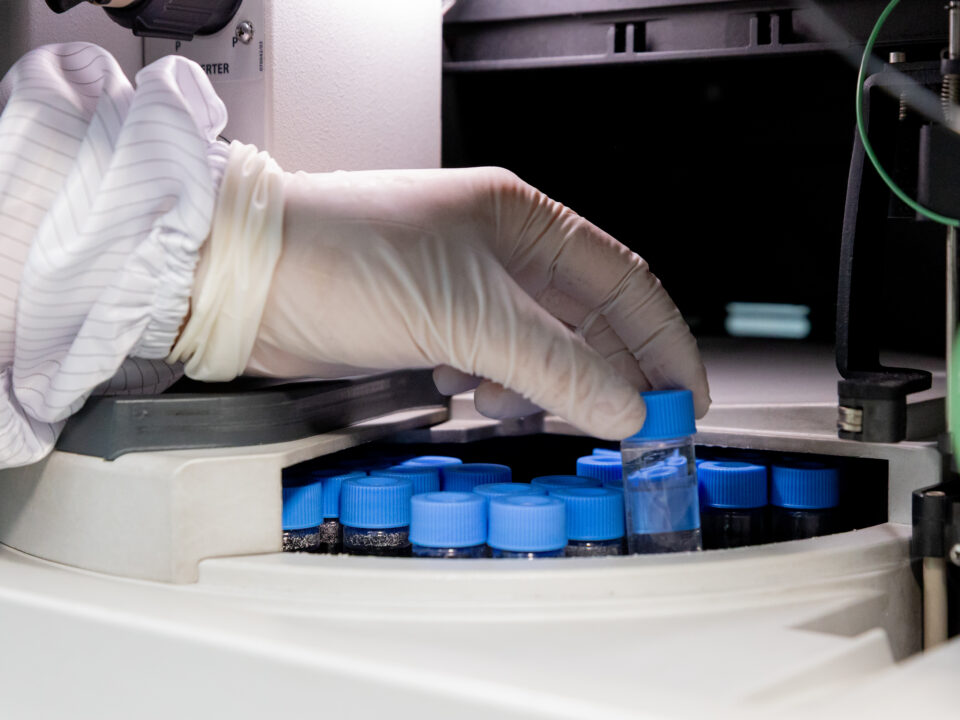
A PCB assembly passes visual inspection. Automated optical inspection finds nothing. Functional test at room temperature is clean. The board ships, gets installed in a vehicle, and three months later starts producing intermittent faults that are difficult to reproduce and expensive to trace.
The cause, when it is eventually found, is ionic contamination. Residual flux activator left on the board surface after soldering, invisible to optical methods and undetectable by functional test under dry conditions, has begun to drive electrochemical corrosion and leakage current in the presence of operating temperature cycling and humidity. The contamination was there from the start. The damage accumulated over time.
Anion and cation testing by ion chromatography is the analytical method that would have found it. This article explains how the test works, what it detects, why it matters specifically for automotive electronics, and how to interpret the results it produces.
What Is Ionic Contamination and Why Does It Matter?
Ionic contamination refers to charged chemical species, either positive ions (cations) or negative ions (anions), present on the surface of an electronic assembly or component. In the context of PCB manufacturing and assembly, ionic contamination originates primarily from flux residues left after soldering. All soldering fluxes contain activators, which are acidic or ionic compounds that break down the metal oxides on solder pads and component leads to allow good solder wetting. After soldering, these activators and their reaction products remain on the board surface as ionic residues.
Under dry conditions, ionic residues are typically benign. They sit on the surface, insoluble in dry air, causing no immediate problem. The failure mode is activated by moisture. When humidity rises or when condensation occurs on the board surface, ionic residues dissolve into a thin electrolytic film. That film becomes a conductive path between adjacent conductors. Current flows where it should not. In the presence of an applied voltage, the ionic species migrate: cations move toward the cathode and anions toward the anode, depositing metal at the cathode in a process called dendritic growth or electromigration. Dendrites are metallic crystalline growths that bridge the gap between conductors, causing intermittent or permanent short circuits.
The ionic species of greatest concern are those that are most mobile, most soluble, and most corrosive: chloride, fluoride, bromide, sulfate, acetate, and formate on the anion side; sodium, potassium, and ammonium on the cation side. Ammonium and organic amines from no-clean flux formulations are particularly significant because they indicate the presence of insufficiently activated or partially decomposed flux residues that retain moisture-absorbing and corrosion-promoting properties.
Ionic contamination is a latent failure mechanism. It is present from the moment of manufacture but causes damage only when activated by humidity and temperature. Testing before shipment is the only reliable way to detect it before it reaches field conditions.
How Ion Chromatography Works
Ion chromatography (IC) is an analytical technique that separates and quantifies ionic species in a liquid sample. The technique was developed in the 1970s and has become the standard method for trace ionic analysis across water quality, food safety, pharmaceutical, and electronics testing applications.
The operating principle is ion exchange chromatography. A liquid sample is injected onto a column packed with a charged stationary phase. Ionic species in the sample are attracted to and retained by the stationary phase, then released sequentially as the mobile phase gradient changes. Because different ions have different affinities for the stationary phase, they travel through the column at different speeds and emerge at the detector at different times, producing a chromatogram with a distinct peak for each ionic species.
Detection in modern IC systems uses a suppressed conductivity detector. As each ionic species elutes from the column, it passes through a suppressor device that converts the mobile phase background ions to low-conductivity water, leaving the analyte ions as the dominant conductivity signal. This suppression step dramatically improves sensitivity and selectivity, allowing detection of ionic species at concentrations of parts per billion (micrograms per litre) in solution, which translates to nanograms per square centimetre on a PCB surface.
Quantification is achieved by comparison with external calibration standards: solutions of known ionic concentration that are run alongside the samples and used to construct a calibration curve for each ionic species. The result for each ion is expressed as the measured concentration in the extract solution, which is then converted to surface density (typically micrograms per square centimetre) using the board surface area extracted.
Anion Analysis vs Cation Analysis
Anion and cation analysis require separate analytical conditions because anions and cations have opposite charges and require stationary phases and mobile phases of opposite polarity for effective separation. In practice, most IC instruments configured for anion analysis use an anion exchange column with a carbonate or hydroxide mobile phase, while cation analysis uses a cation exchange column with a dilute acid mobile phase.
The two analyses can be conducted sequentially on the same instrument platform or simultaneously on a dual-channel instrument. For a comprehensive ionic contamination assessment, both anion and cation analysis should be conducted from the same extraction solution, providing a complete profile of all ionic species present.
The Standard Method IPC-TM-650 2.3.28
The primary standard governing ionic contamination testing of PCBs and electronic assemblies by ion chromatography is IPC-TM-650 Method 2.3.28, published by IPC (the Association Connecting Electronics Industries). This method defines the extraction procedure, the IC analytical conditions, and the reporting requirements for ionic contamination testing.
The extraction procedure in IPC-TM-650 2.3.28 uses a mixture of 75 percent isopropyl alcohol and 25 percent deionised water (the IPA-water extract). The board or assembly is placed in a clean vessel and covered with a defined volume of the extraction solvent. The extraction is conducted for one hour at 80 degrees Celsius under agitation. The extract is then filtered and injected into the IC system for anion and cation analysis.
The extraction is designed to dissolve ionic species from the board surface into the solvent, including flux residues that are not fully soluble in water alone. The IPA component improves dissolution of organic flux residues while the water component provides the ionic medium for dissolution of inorganic ionic contaminants. The result is an extract that captures the full range of ionic species relevant to electronics reliability assessment.
Ionic Species
Ion Type
Primary Source on PCB
Failure Risk
Chloride (Cl-)
Anion
Flux activator residue, environmental deposition, halogenated materials
High – aggressive corrosion initiator, highly mobile
Fluoride (F-)
Anion
Some flux formulations, etching process residues
Moderate to high – corrosive to aluminium and some metals
Bromide (Br-)
Anion
Flame retardant materials, some flux systems
Moderate – corrosive at higher concentrations
Sulfate (SO4 2-)
Anion
Environmental deposition, some flux chemistry
Moderate – sulfate-induced corrosion
Nitrate (NO3-)
Anion
Environmental, some cleaning chemistry
Low to moderate – less corrosive than chloride
Acetate (CH3COO-)
Anion
No-clean flux activator decomposition products
Moderate – hygroscopic, promotes leakage current
Formate (HCOO-)
Anion
No-clean flux activator decomposition products
Moderate – indicates flux residue activity
Sodium (Na+)
Cation
Environmental, handling contamination, process water
Moderate – hygroscopic, promotes corrosion
Potassium (K+)
Cation
Environmental contamination
Moderate
Ammonium (NH4+)
Cation
No-clean flux amine activators, flux decomposition
High – hygroscopic, indicates active flux residues
Methylamine / TEA
Cation (amine)
No-clean flux amine-based activators
High – indicates incompletely deactivated flux
Chloride and ammonium are the two most diagnostically significant species in PCB ionic contamination testing. Elevated chloride indicates aggressive corrosion risk. Elevated ammonium or organic amines indicates the presence of active no-clean flux residues that retain corrosion-promoting properties.
Interpreting Anion and Cation Test Results
IC results for PCB ionic contamination are expressed as micrograms of each ionic species per square centimetre of board surface area. These surface density values are compared against the acceptance limits defined in the applicable cleanliness specification.
Acceptance Limits & Where Do the Numbers Come From?
Acceptance limits for ionic contamination in PCB assemblies originate from a combination of IPC standards, OEM-specific cleanliness specifications, and the results of reliability studies correlating ionic contamination levels with field failure rates. The most widely referenced historical limit is 1.56 micrograms sodium chloride equivalent per square centimetre, which was the original threshold defined for cleaned assemblies in earlier revisions of IPC standards.
Modern automotive electronics specifications typically apply tighter limits, particularly for chloride, which is often limited to 0.2 to 0.5 micrograms per square centimetre for safety-critical assemblies. The specific limit applicable to your assembly is defined by your customer’s specification, the relevant IPC document (IPC-7711, IPC-7721, or the cleanliness section of J-STD-001), or the OEM supplier quality requirement.
What High Chloride Tells You
Elevated chloride concentration is the most common and most diagnostically significant finding in PCB ionic contamination testing. The sources of chloride contamination on a PCB include residual flux activator (particularly from rosin and organic acid flux systems), environmental deposition of chloride aerosols in manufacturing or storage environments, and halogenated materials in the board laminate or component packaging that have been mobilised during processing.
When chloride is elevated above specification, the corrective action depends on identifying the source. If chloride tracks with the presence of specific component types or board regions near specific assembly operations, the source is likely process-related. If chloride is uniformly distributed across the board, environmental contamination during storage or handling is more likely. IC results alone identify that chloride is elevated; source investigation may require additional analytical steps including surface mapping by point extraction from specific board areas.
What Ammonium and Organic Amines Tell You
Ammonium and organic amine cations are characteristic markers of no-clean flux residue activity. Modern no-clean flux formulations use amine-based activators that are designed to fully decompose and become electrochemically inert during the soldering thermal profile. When ammonium or methylamine is detected at elevated levels in IC analysis, it indicates that the flux activator has not been fully deactivated, either because the soldering thermal profile was inadequate, the flux loading was excessive, or the specific flux chemistry is not compatible with the soldering process conditions.
This finding is significant because it means the residue retains hygroscopic and corrosion-promoting properties even though the board may have been manufactured under a no-clean process that is not expected to require cleaning. The corrective action is typically thermal profile optimisation, flux type review, or in some cases, a move to a cleaning process to remove the residue entirely.
Ion Chromatography vs ROSE Testing & Understanding the Difference
Ion chromatography is not the only method for assessing ionic contamination on PCBs. An older technique, ROSE testing (Resistivity of Solvent Extract), is still used in some applications and is worth understanding in the context of IC analysis.
ROSE testing measures the total ionic content of a board extract by its electrical conductivity, expressed as equivalent sodium chloride contamination in micrograms per square centimetre. It is a rapid, low-cost method that provides a single aggregate number representing all ionic contamination on the board. It does not identify which ionic species are present or in what proportions.
Ion chromatography supersedes ROSE testing in technical information value. IC identifies each ionic species individually, enabling diagnosis of the contamination source and targeted corrective action. ROSE testing tells you that contamination is present above a threshold. IC tells you what it is and, by inference, where it came from. For automotive electronics qualification, where the identity of contaminating species is increasingly required by OEM specifications and where root cause investigation of any failures is mandatory, IC is the appropriate method.
Dimension
ROSE Testing
Ion Chromatography (IC)
Output
Single conductivity number (NaCl equivalent)
Individual concentration of each anion and cation
Species identification
None
Full identification of all ionic species present
Sensitivity
Moderate
High – parts per billion detection in extract
Diagnostic value
Low – pass/fail only
High – identifies species and enables source tracing
OEM acceptance
Declining – many specs now require IC
Accepted by all major automotive OEM specifications
Standard reference
IPC-TM-650 2.3.25
IPC-TM-650 2.3.28
Cost
Lower
Higher – more information per test
Typical application
Production line screening where IC is used for qualification
OEM qualification, failure investigation, process validation
Ionic Contamination in Automotive Electronics & Why the Stakes Are Higher
Ionic contamination matters in all electronics applications, but the consequences in automotive electronics are more severe than in most other sectors. Automotive electronics operate in conditions that maximise the risk of ionic contamination driven failure: wide temperature cycling that promotes condensation, vibration that can crack conformal coatings and expose underlying surfaces, extended service lives measured in decades rather than years, and safety-critical functions where intermittent faults have direct consequences for driver safety.
An engine control unit that develops an intermittent fault from ionic contamination-driven leakage current is not a product return. It is potentially a safety incident, a warranty campaign, and a significant engineering investigation. The cost difference between finding ionic contamination before shipment by IC testing, and finding it after installation in vehicles through field failures, is several orders of magnitude.
For automotive electronics manufacturers in Malaysia and Southeast Asia, the ionic contamination testing requirement typically enters the supply chain through OEM qualification requirements, customer cleanliness specifications, or process qualification programmes. Where no specific limit has been defined by the customer, the IPC standards provide a framework for establishing appropriate internal cleanliness limits based on the application criticality.
For the full range of chemical and electronics testing services including ionic contamination analysis: https://www.alstesting.co.th/anion-test-specialist-malaysia/
Ionic Contamination and Component Cleanliness & The Connection
Ionic contamination testing on PCBs and technical cleanliness testing on precision mechanical components address the same fundamental problem from different perspectives: contamination that is invisible to standard inspection methods but causes field failures in service. The analytical techniques differ but the quality management principle is identical.
For manufacturers who produce both precision mechanical components and automotive electronics, or who supply into supply chains that require both types of testing, understanding the connection between the two disciplines helps in establishing a coherent quality testing programme. In both cases, the contamination is measured at a level of precision that only accredited laboratory analysis can provide, the results are compared against defined limits, and the findings drive corrective action in the manufacturing process.
For technical cleanliness testing of precision mechanical components to ISO 16232 and VDA 19: https://www.alstesting.co.th/technical-cleanliness-testing/
Ion Chromatography at ALS Testing
ALS Testing provides anion and cation analysis by ion chromatography to IPC-TM-650 2.3.28 for PCB assemblies, individual components, and process solution analysis. Our IC capability covers the full range of ionic species relevant to electronics reliability assessment: the primary anions including fluoride, chloride, bromide, nitrate, phosphate, sulfate, acetate, and formate; and the primary cations including sodium, potassium, ammonium, and the amine species associated with no-clean flux residues.
All ionic contamination testing at ALS is conducted within our ISO/IEC 17025:2017 accredited quality management system. Results are reported with individual species concentrations in micrograms per square centimetre, compared against the limits specified in your cleanliness specification or OEM requirement, with clear pass/fail designation for each species and for the total ionic contamination level.
Our reports include the full IC chromatogram data alongside the tabulated results, enabling your engineering team to review the species profile and make informed decisions about corrective action priorities. For investigations where elevated ionic contamination has been detected and source tracing is required, we can design follow-up sampling strategies including area-specific extractions to localise contamination to specific board regions or process steps.
Summary
Anion and cation testing by ion chromatography is the definitive analytical method for ionic contamination assessment of PCBs and automotive electronics assemblies. It identifies individual ionic species at concentrations that are analytically significant but invisible to all other inspection methods, enabling both pass/fail qualification and diagnostically useful information about contamination sources and corrective actions.
The primary standard for the test is IPC-TM-650 2.3.28. The most diagnostically significant species are chloride on the anion side, which indicates aggressive corrosion risk, and ammonium and organic amines on the cation side, which indicate active no-clean flux residues that retain corrosion-promoting properties. IC supersedes ROSE testing in diagnostic value and is the method required by automotive OEM cleanliness specifications.
For automotive electronics manufacturers, the cost of finding ionic contamination before shipment through IC testing is a small fraction of the cost of the field failures it prevents. For production-line application, IC provides the species resolution that allows root cause investigation and targeted process improvement rather than pass/fail screening alone.
Next Steps
See our full Chemical and Electronics Testing services including ionic contamination analysis: https://www.alstesting.co.th/anion-test-specialist-malaysia/
Learn about technical cleanliness testing for precision mechanical components: https://www.alstesting.co.th/technical-cleanliness-testing/
Contact our team for an IC testing quotation or technical consultation: https://www.alstesting.co.th/contact-us/
Read more