

Particle & Contamination Analysis

Corrosion Testing
May 13, 2026
PCB Testing
May 13, 2026Particle & Contamination Analysis
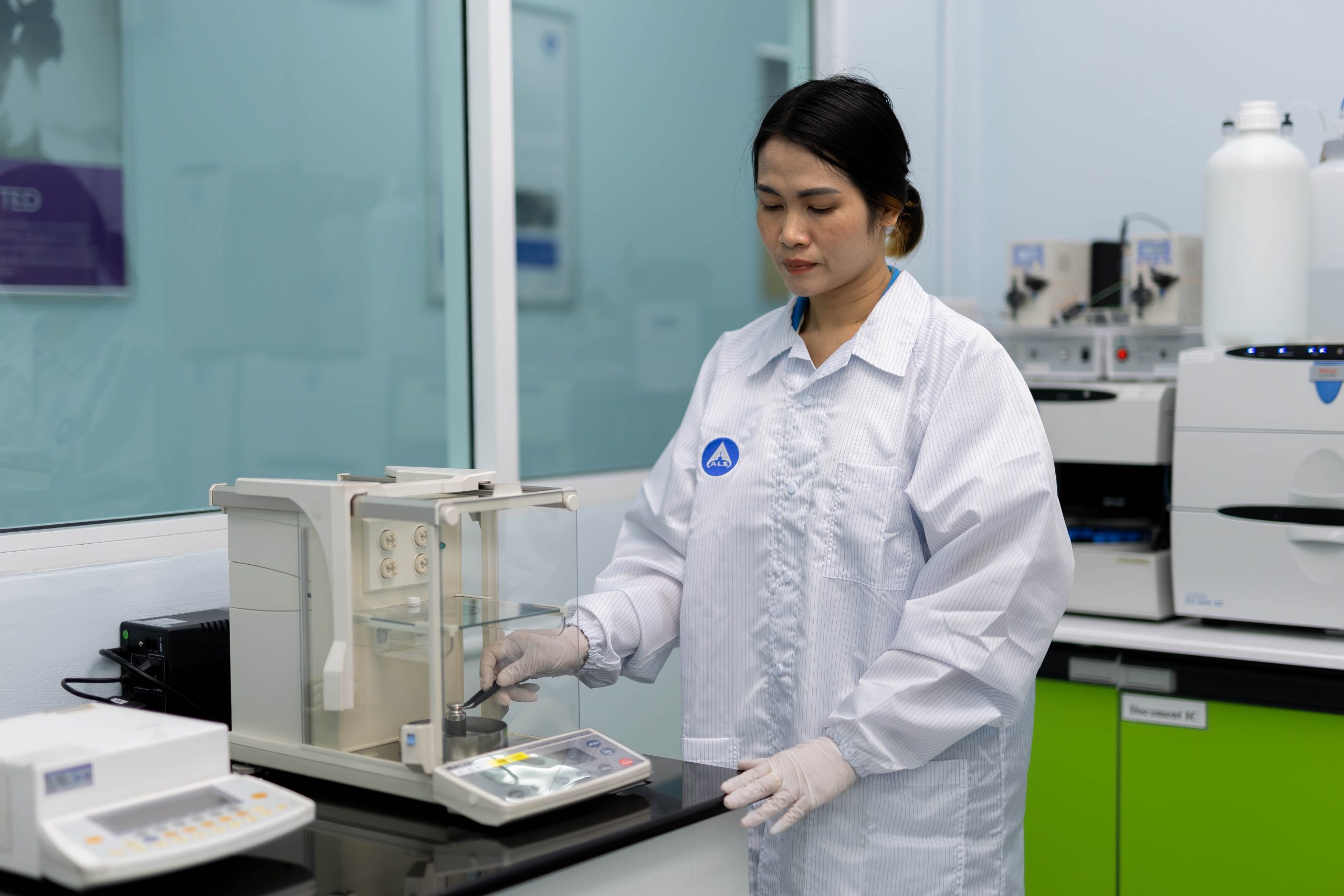
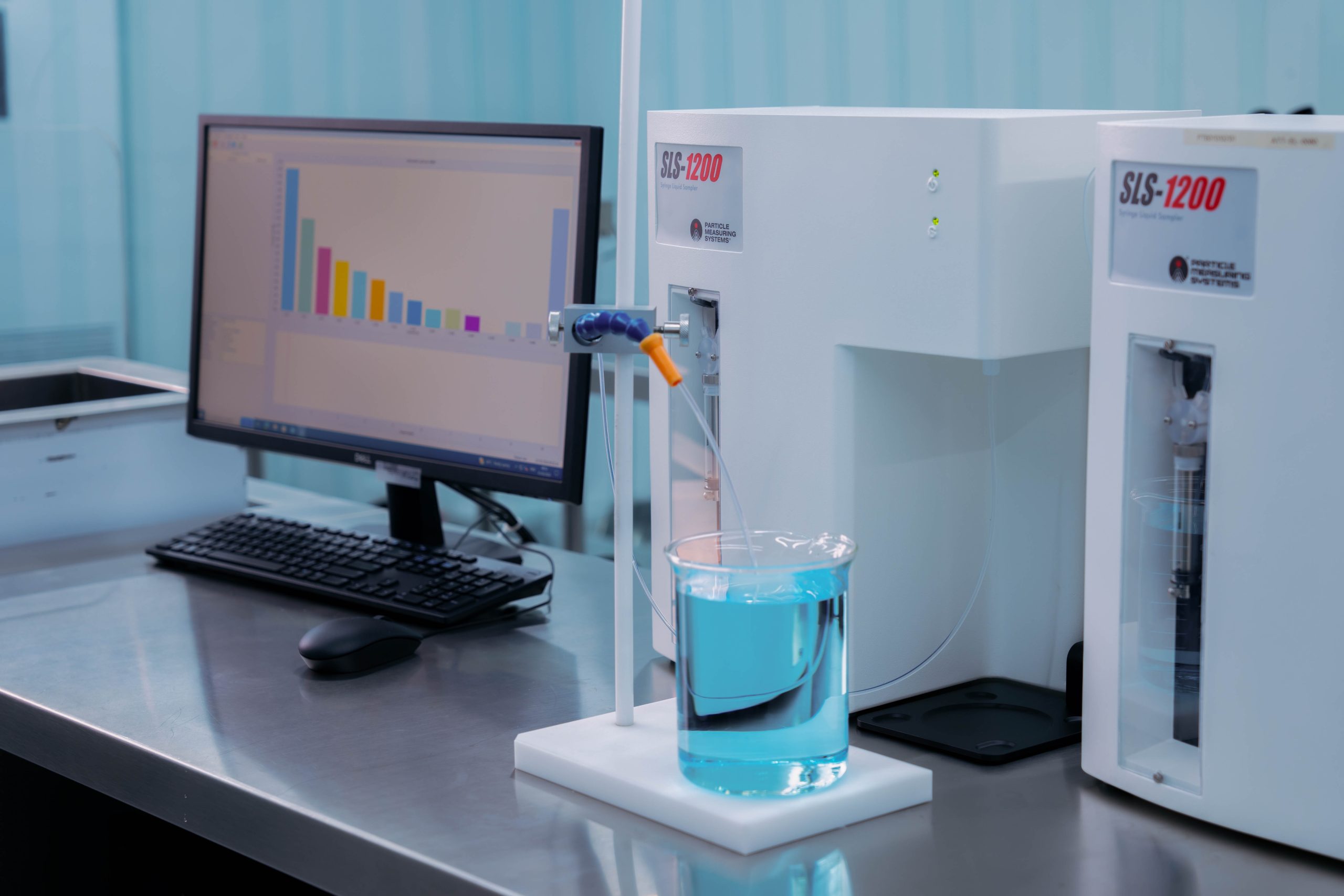
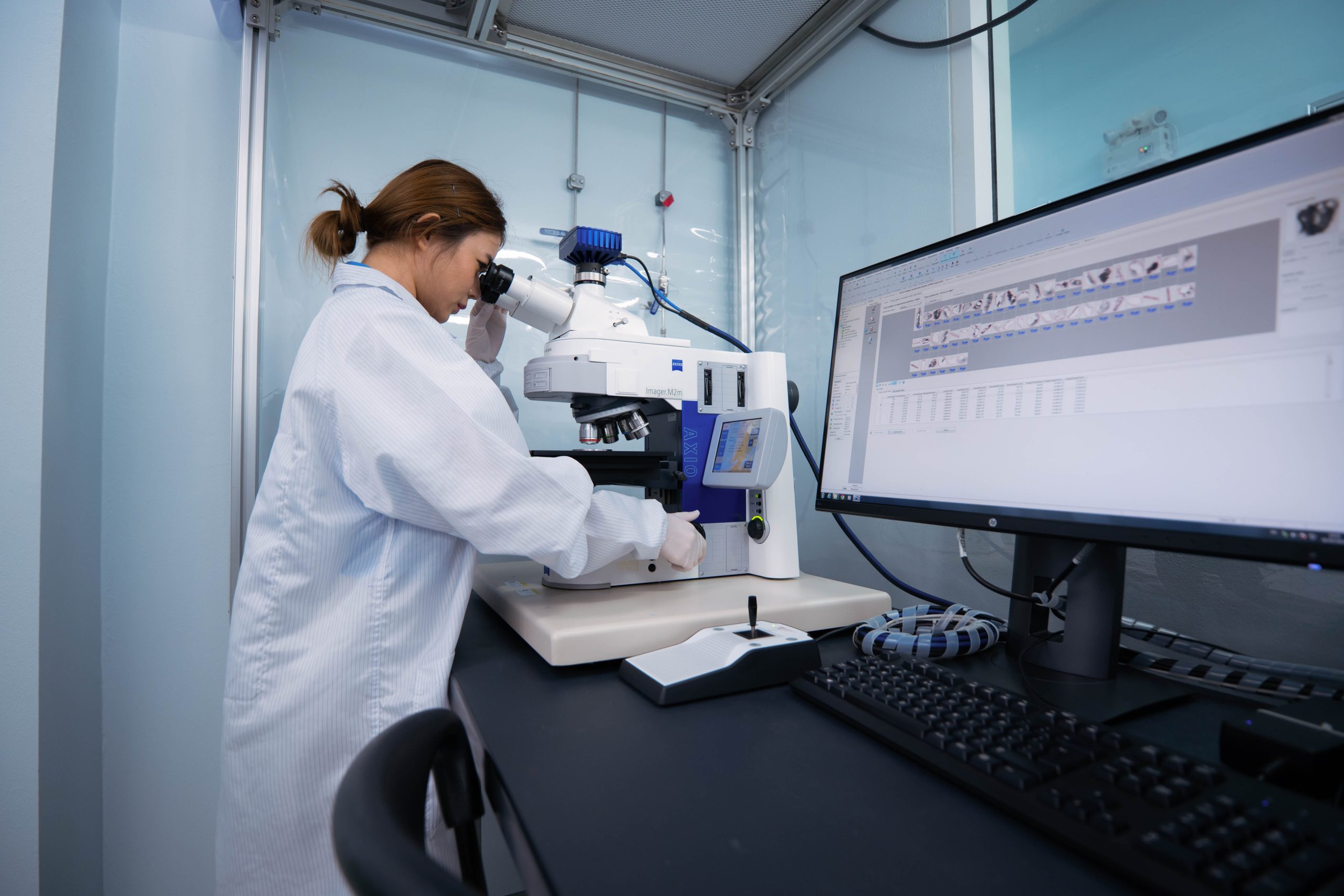
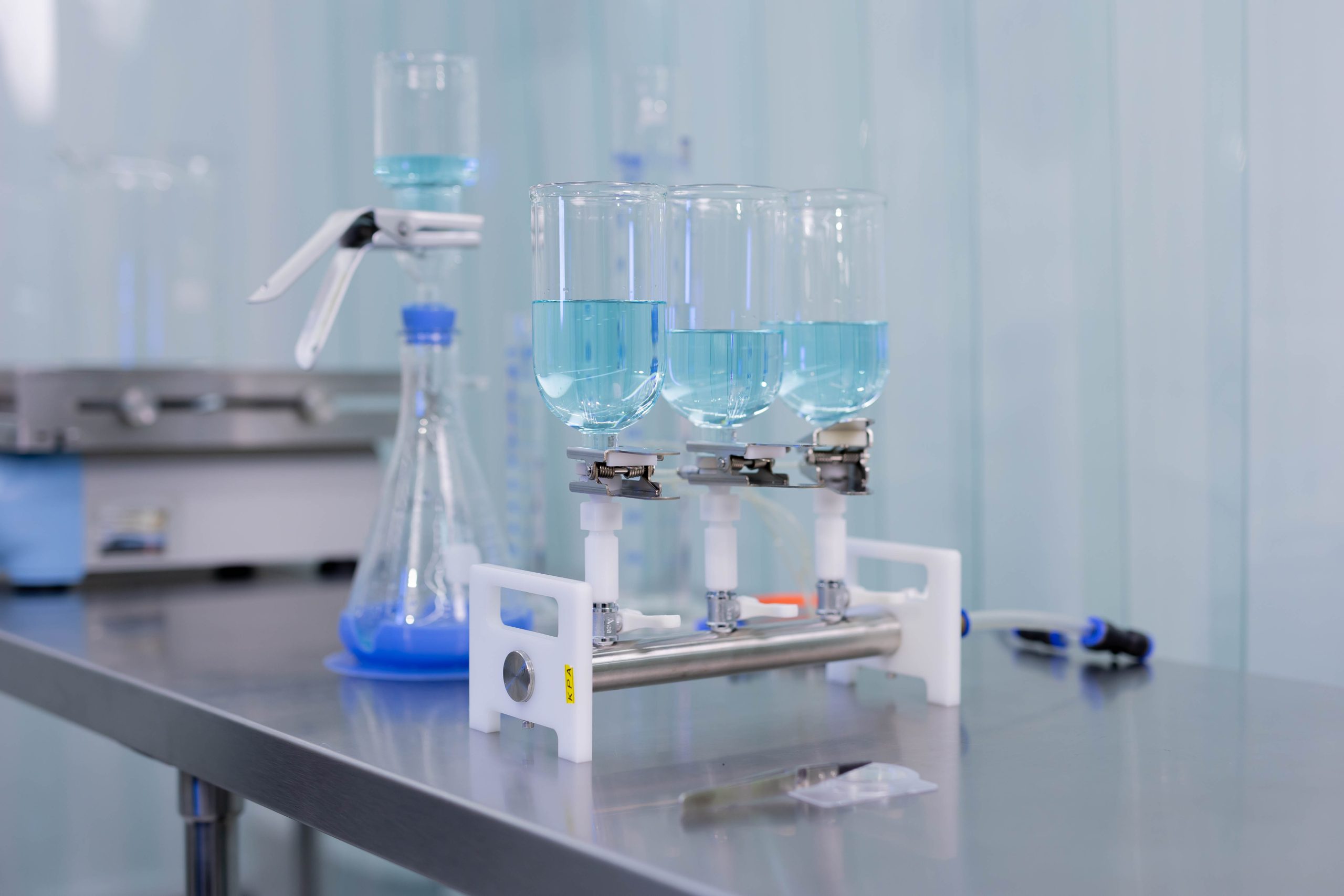

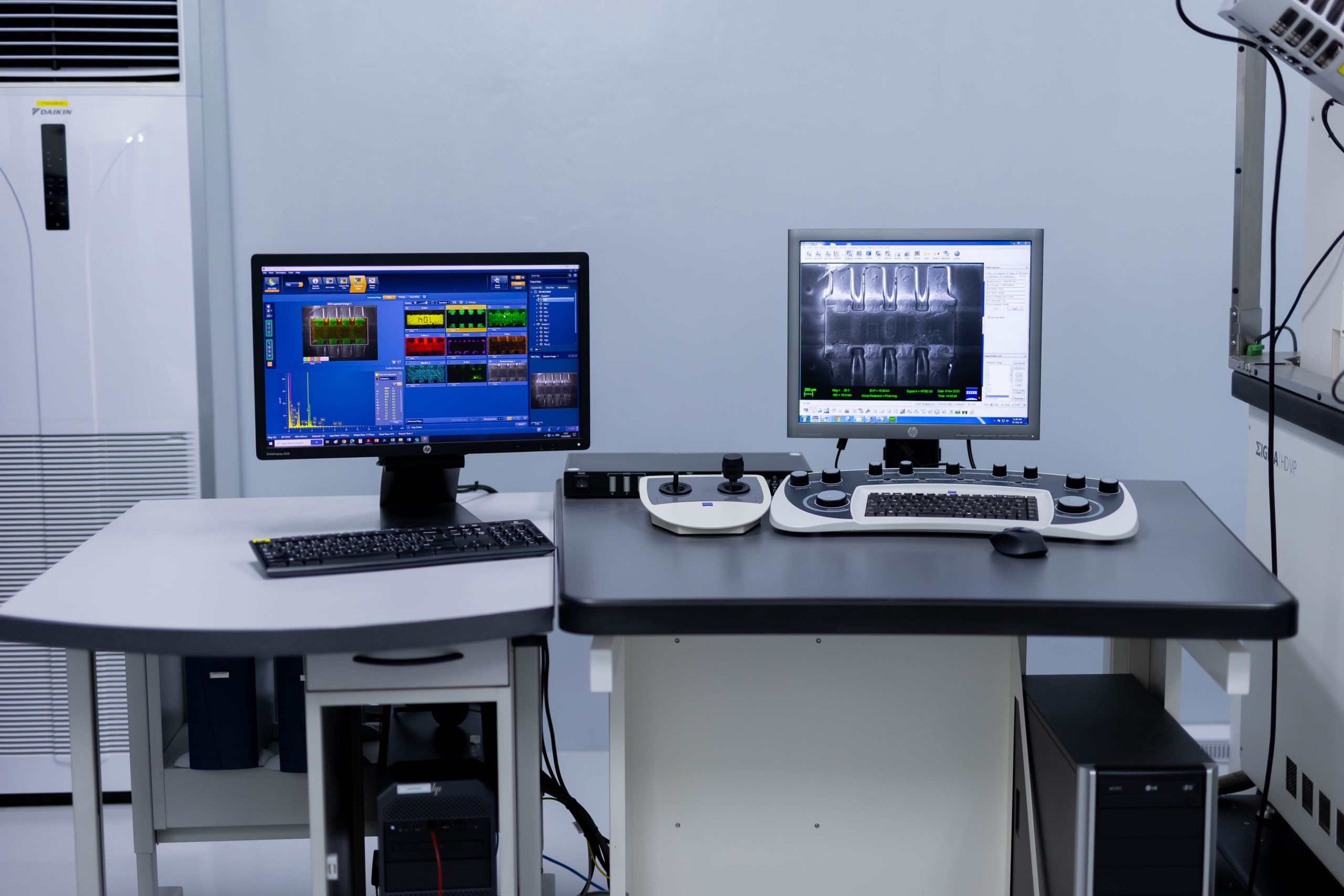
Particle & Contamination Analysis for Automotive Components
VDA 19 / ISO 16232 — Under ISO/IEC 17025 Accreditation
Why Cleanliness Is Critical in Automotive Manufacturing
In automotive manufacturing, invisible contamination can cause very visible — and very costly — failures. Microscopic particles left on components can block hydraulic systems, wear down precision surfaces, and trigger electronic malfunctions. That’s why the automotive industry has developed rigorous international standards to control component cleanliness.
ALS Testing provides comprehensive particle measurement, counting, and analysis services for automotive components in full compliance with VDA 19 and ISO 16232:2018 — the two most important cleanliness standards in the global automotive supply chain — conducted within our fully ISO/IEC 17025 accredited laboratory.
Our testing goes beyond simple quality checks. It supports new product development, drives manufacturing process improvements, and provides the scientific data needed to protect product performance and safety in the field.

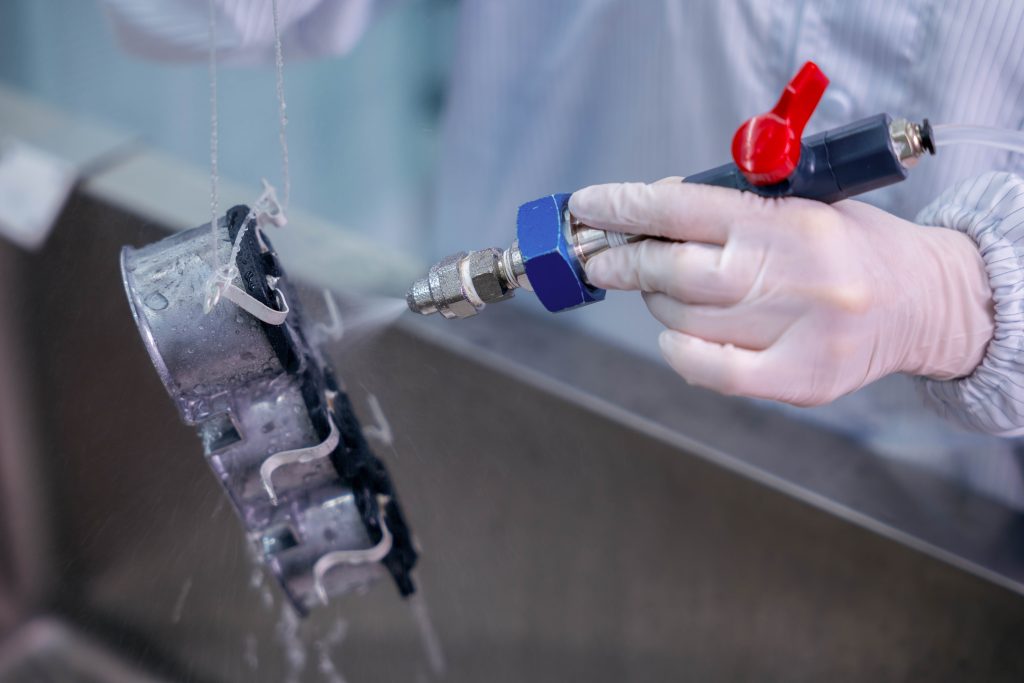
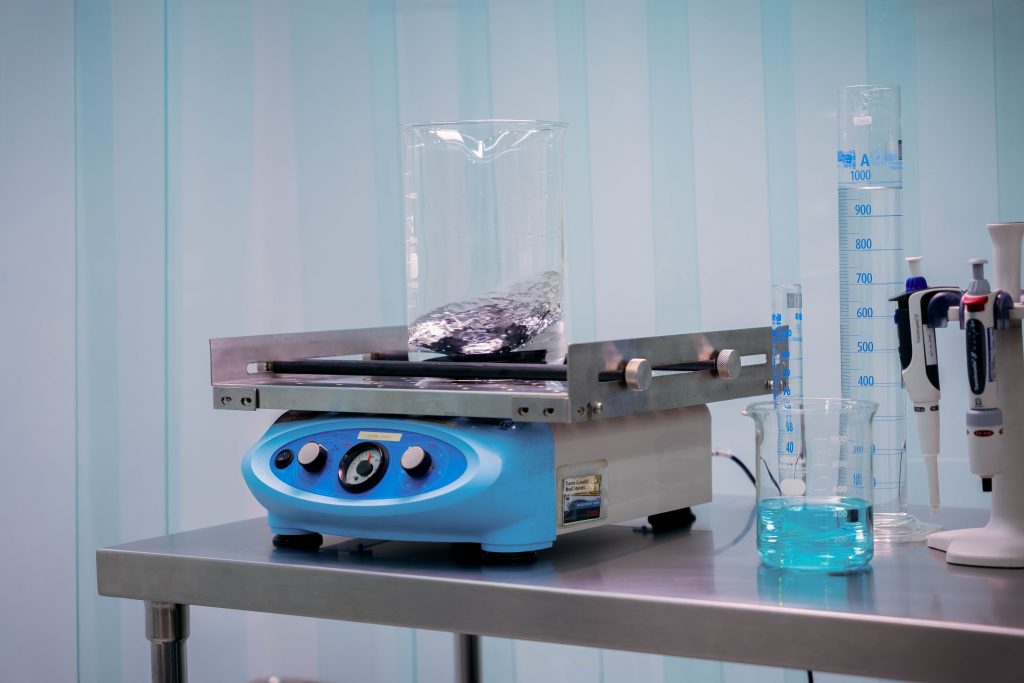
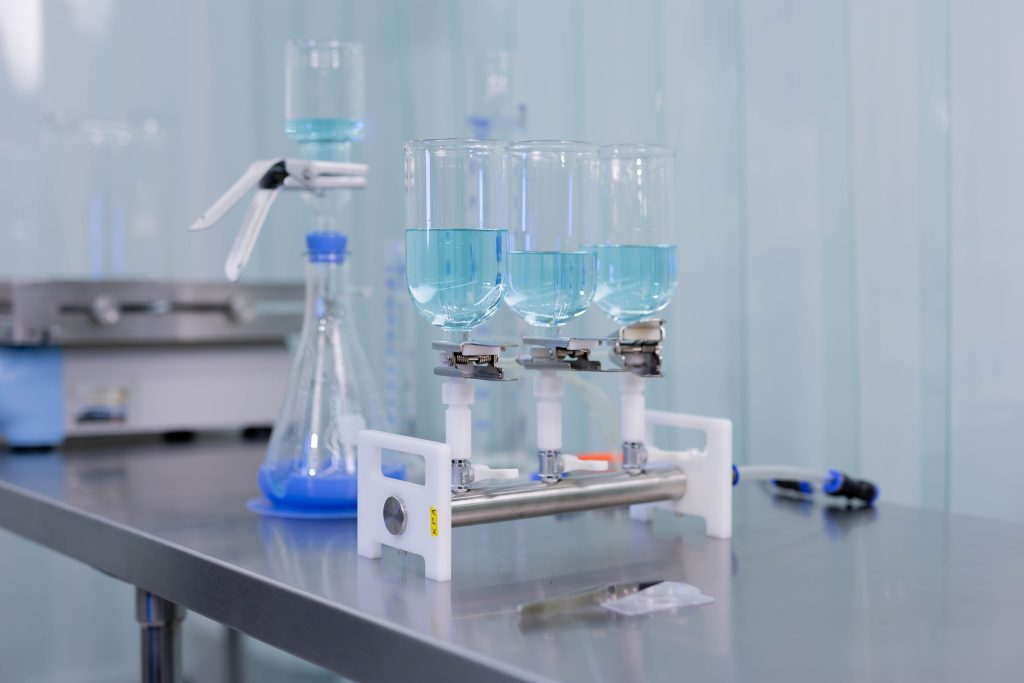
The Two-Stage Testing Process: VDA 19 / ISO 16232
ALS holds accreditation specifically covering ISO 16232 testing within the scope of our ISO/IEC 17025 certification. Our testing follows a structured two-stage methodology:
Stage 1: Decline Test — Validating Extraction Parameters
Before full particle analysis can begin, it’s essential to confirm that the extraction process itself is working correctly for your specific component. This is what the Decline Test establishes.
How it works:
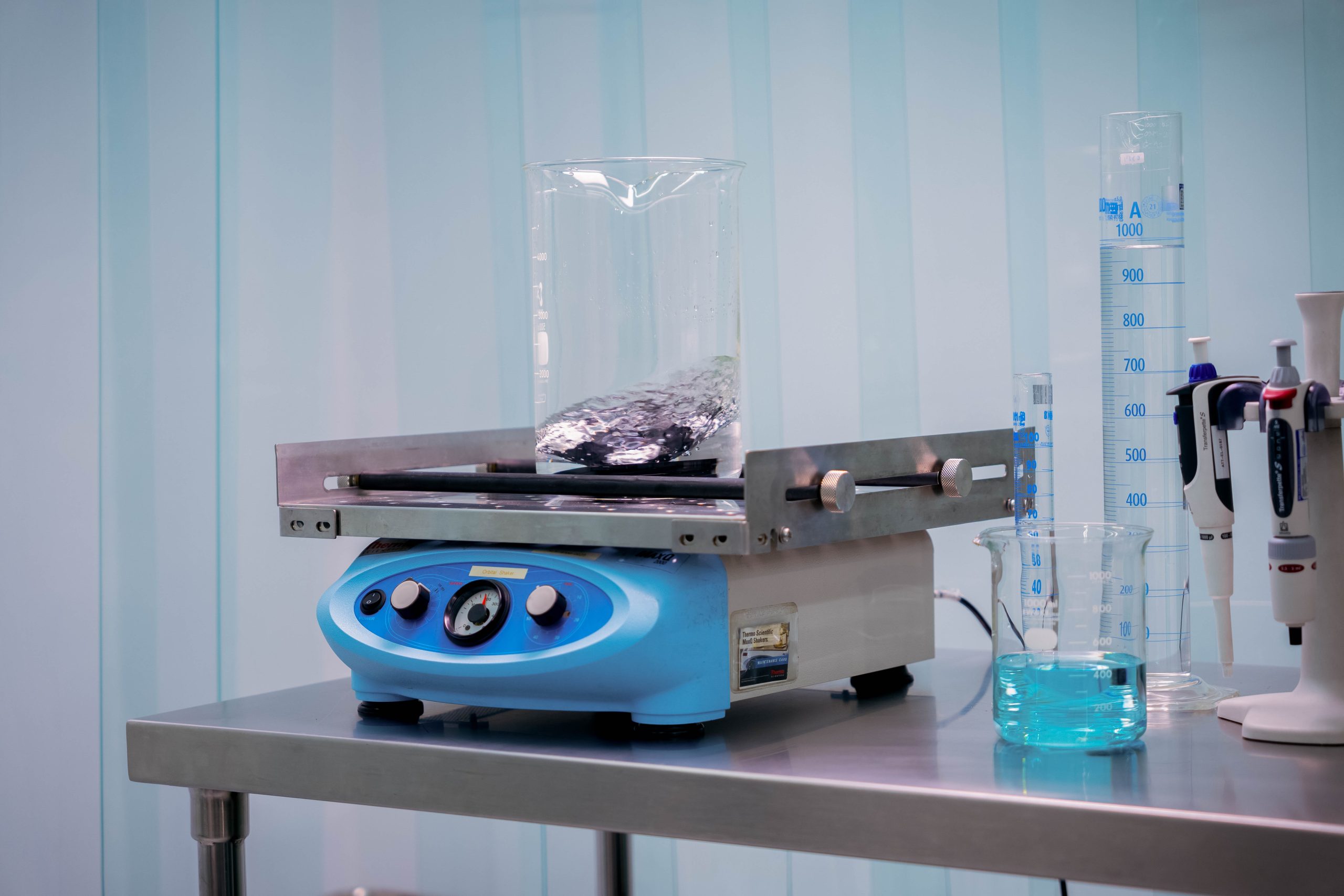
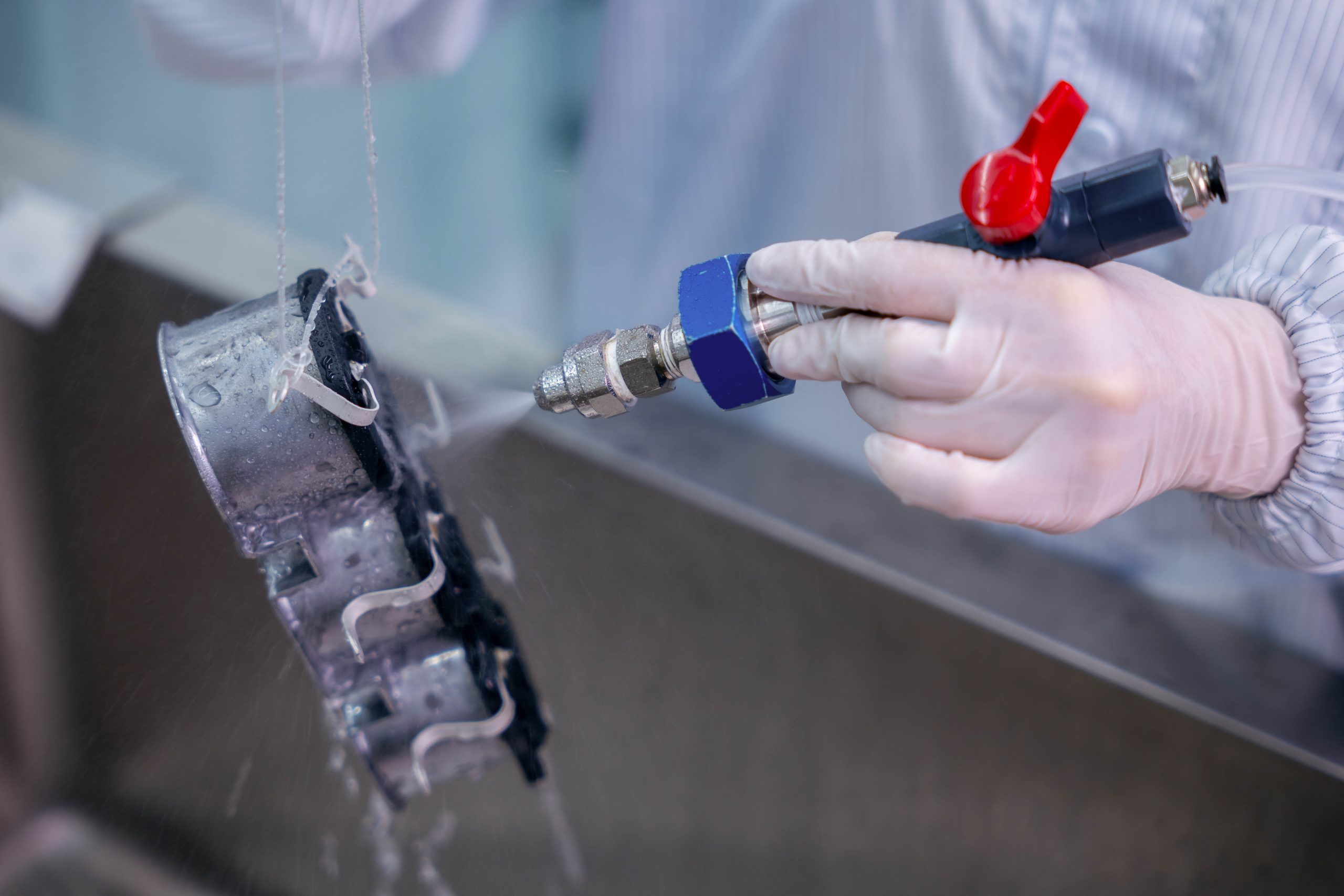
- The component undergoes a controlled extraction process to remove particles from its surface and internal passages
- The extraction fluid is filtered through a membrane filter
- The filter is analyzed using a Particle Analyzer
- This process is repeated six times on the same component, yielding six individual filter membranes
- Results from all six filters are plotted on a graph and evaluated against VDA 19 / ISO 16232 acceptance criteria
✅ If the results meet the standard’s requirements, the extraction parameters are validated — and the process moves on to Stage 2.
Think of this as calibrating your measurement process before taking the actual measurement. It’s what separates reliable data from guesswork.
Stage 2: Particle Analysis — Size, Quantity, and Classification
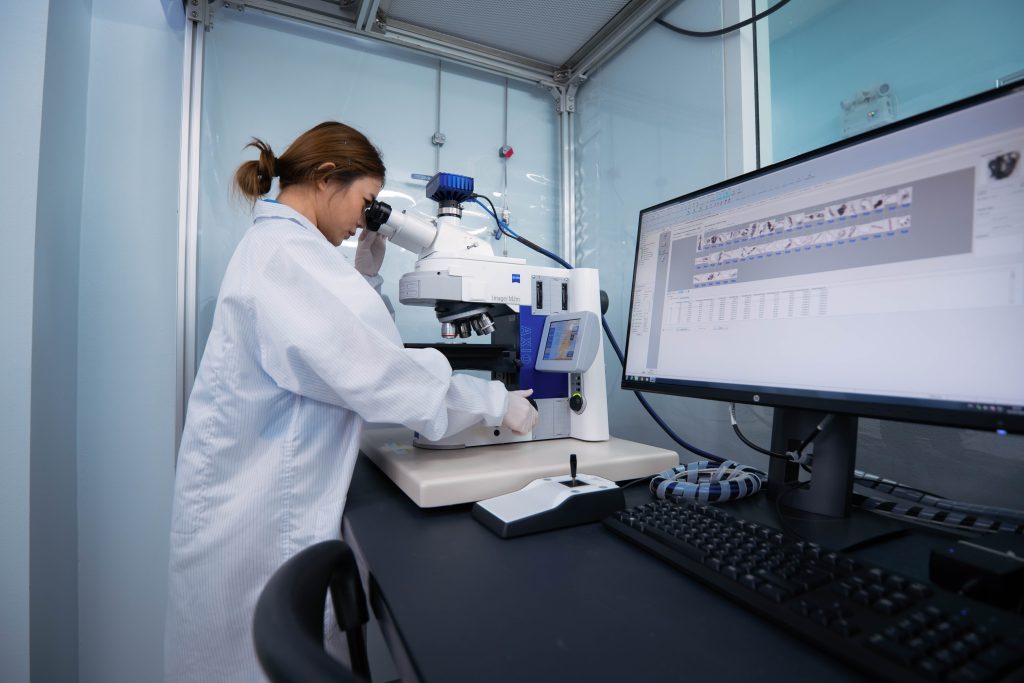
With validated extraction parameters in place, the component undergoes its full particle analysis according to VDA 19 standards. The extraction fluid is filtered and the membrane is examined using a Particle Analyzer to determine:
Table
| Parameter | What It Tells You |
|---|---|
| Quantity | How many particles are present |
| Size | The dimensional range of particles detected |
| Type | What the particles are made of |
Particle Classification
All detected particles are categorized into three types:
- Metallic — Metal particles from machining, wear, or assembly
- Non-Metallic — Rubber, plastic, ceramic, or mineral particles
- Fiber — Natural or synthetic fiber contamination
Going Deeper: Advanced Identification Techniques
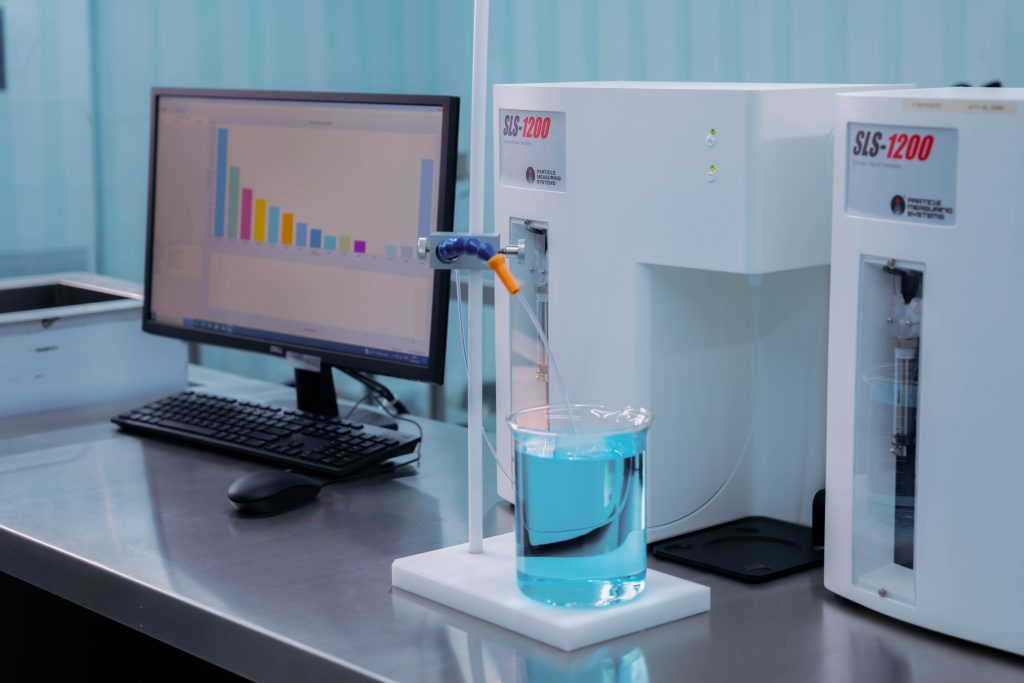
When standard particle analysis isn’t enough — for example, when you need to know the exact elemental composition or chemical identity of a contaminant — ALS applies specialized analytical techniques.
For Metallic Particles: SEM/EDX Analysis
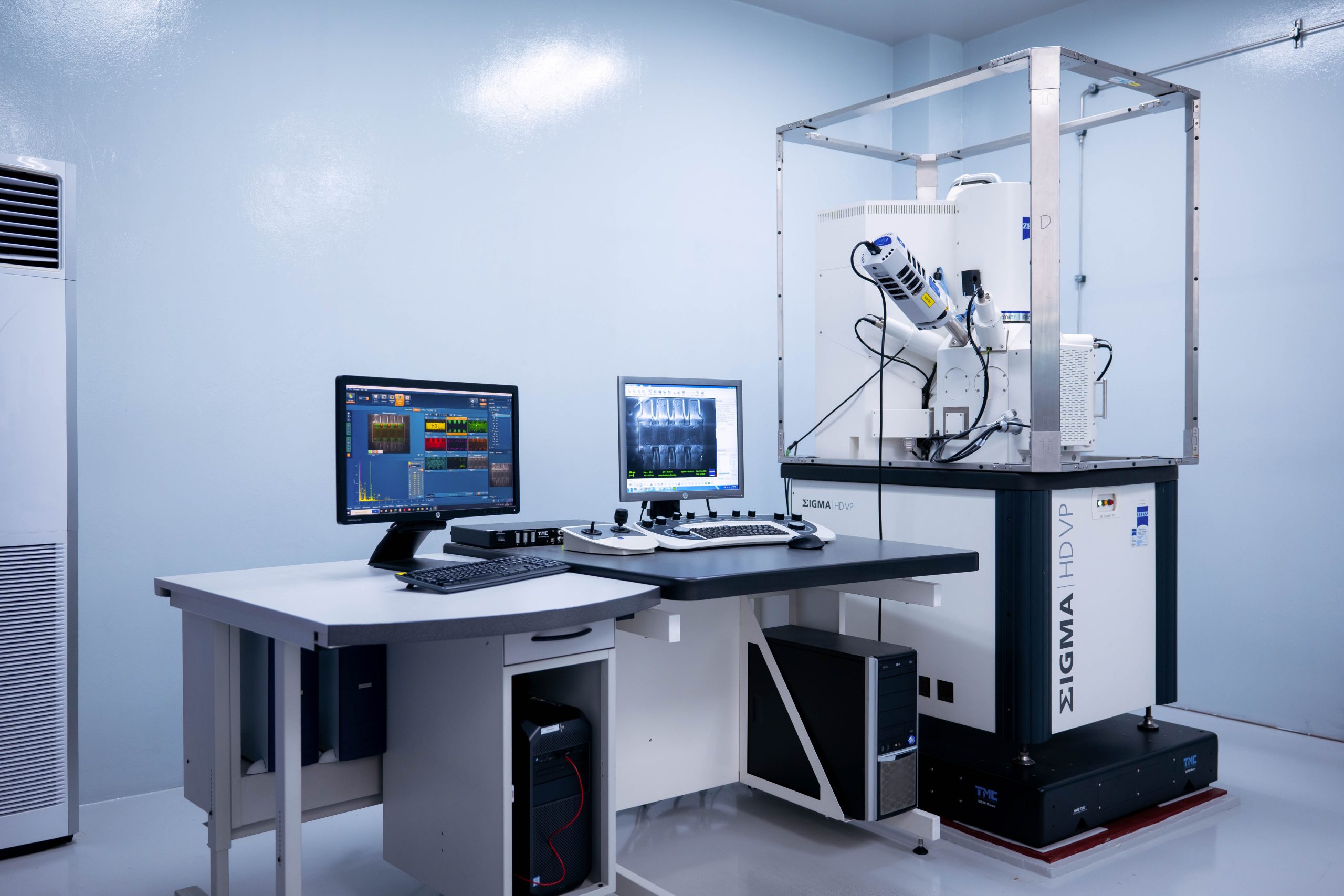
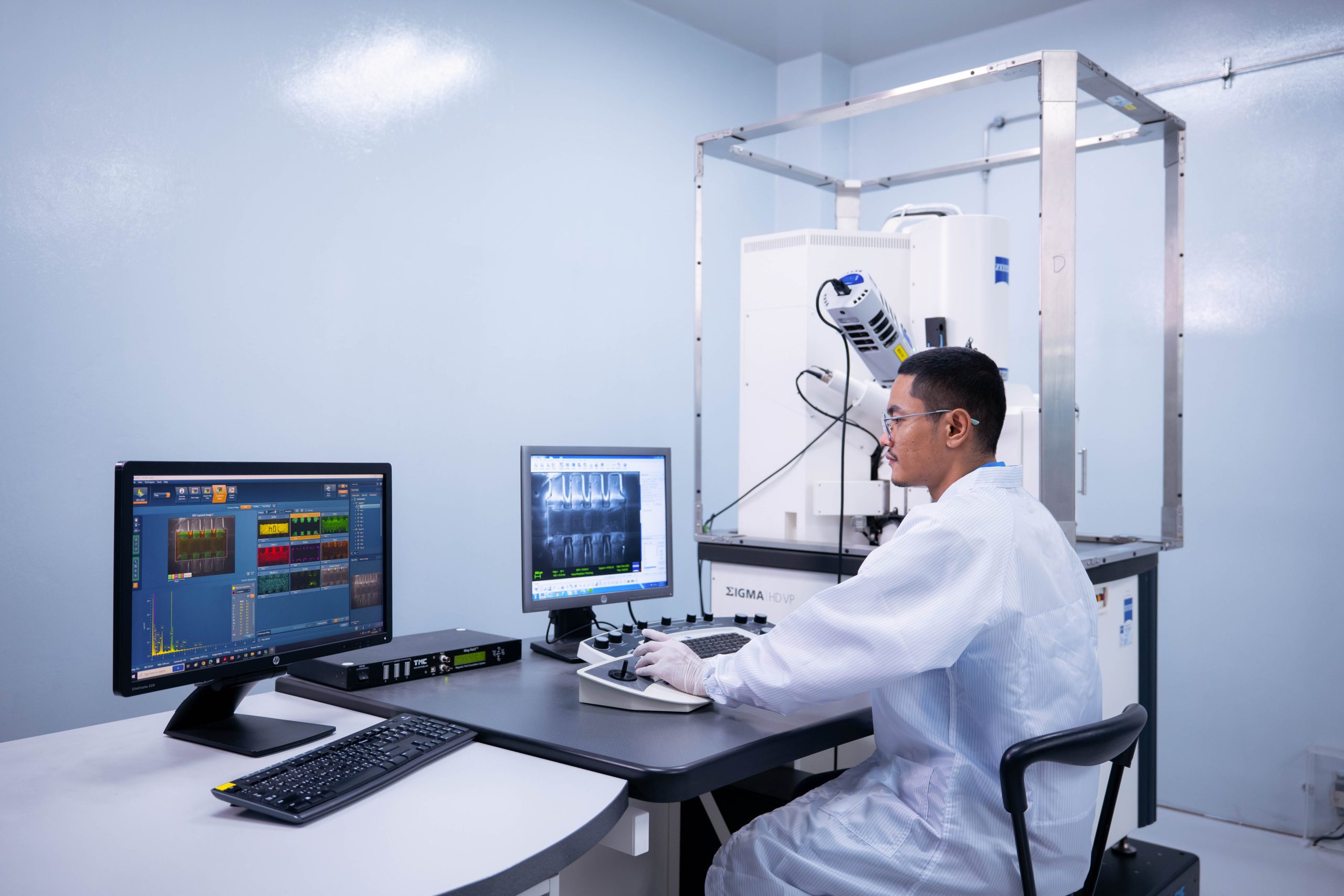
Scanning Electron Microscopy with Energy Dispersive X-ray Analysis (SEM/EDX) is the gold standard for characterizing metallic particles at the microscopic level.
How It Works
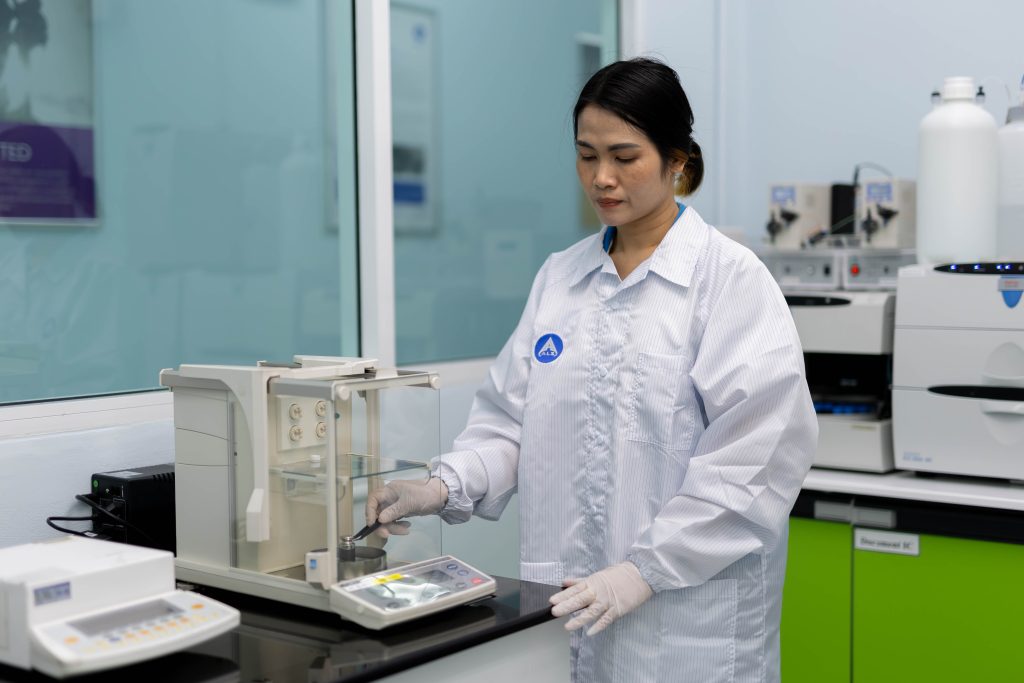
- SEM directs a focused electron beam across the particle surface, generating high-resolution images that reveal surface morphology and structural detail at the micrometer scale
- EDX detects the characteristic X-rays emitted when the electron beam interacts with atoms in the sample — effectively producing a unique elemental fingerprint for each material
What SEM/EDX Can Tell You
Table
| Capability | Application |
|---|---|
| Elemental composition at micrometer level | Identify what metal alloy a particle came from |
| Chemical mapping across a surface | Visualize element distribution in coatings or alloys |
| Surface and structural defect analysis | Detect cracks, wear patterns, and coating failures |
| Corrosion characterization | Trace signs of oxidation or chemical attack |
| Coating thickness and layer analysis | Verify coating integrity and uniformity |
Why It Matters
SEM/EDX doesn’t just identify that a metallic particle exists — it tells you exactly where it came from. That’s the information you need to trace contamination back to its source in the manufacturing process and fix it permanently.
For Non-Metallic Particles & Fibers: FT-IR Analysis
Fourier Transform Infrared Spectroscopy (FT-IR) is the technique of choice for identifying non-metallic materials such as plastics, rubbers, resins, and fibers.
How It Works
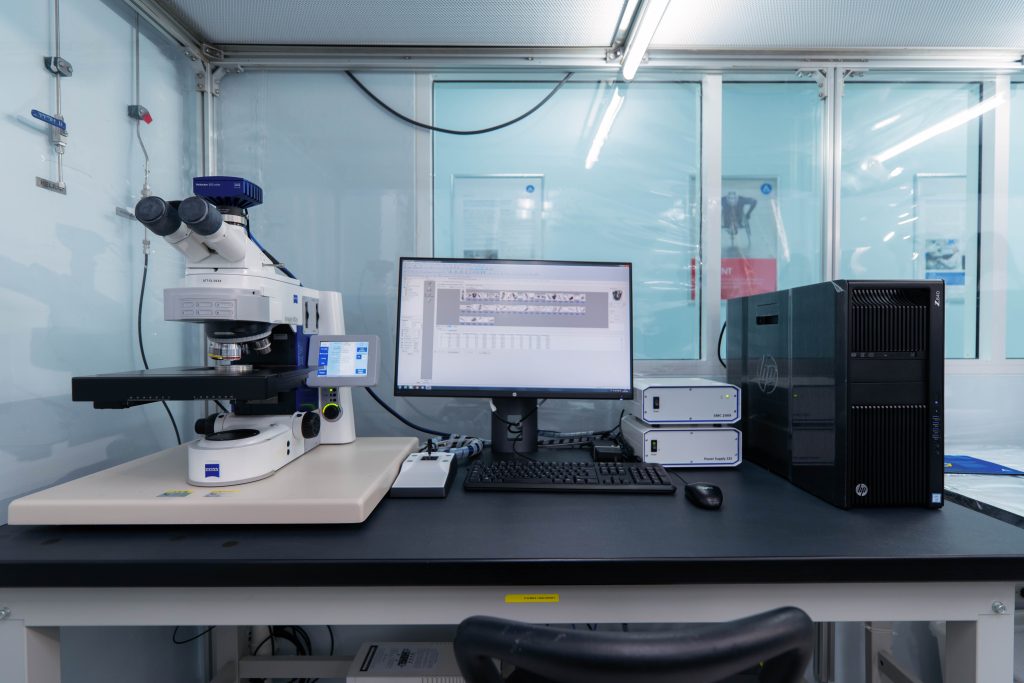
Every chemical compound absorbs infrared light in a unique pattern — essentially a molecular fingerprint. FT-IR measures how a sample absorbs infrared radiation across different wavelengths, then matches that pattern against reference libraries to identify the material with high confidence.
Sample Types FT-IR Can Analyze
Table
| State | Examples |
|---|---|
| Solid | Plastics, rubber, synthetic and natural fibers |
| Liquid | Cleaning agents, paints, oils, adhesives |
| Gas/Vapor | Volatile organic compounds |
FT-IR Capabilities at ALS
- High-Sensitivity MGT-A Detector — ensures precise, reliable measurements even at trace levels
- Interchangeable Accessories (VATR, Liq-Cell, ZnSe Compression Cell) — enables analysis of samples in any physical state
- Nicolet Nic-Plan Microscope — specialized for analyzing microscopic particles and trace contaminants
Applications
✅ Qualitative Analysis — Identify polymers, resins, adhesives, oils, and unknown contaminants ✅ Quantitative Analysis — Measure the concentration of specific chemical components in a sample
Key Advantages
- Requires only a tiny sample — ideal for microscopic contaminants
- Non-destructive — the sample can be preserved for further testing if needed
- Fast and accurate — results are typically available quickly without complex preparation
Industries Served at ALS Pathumthani
FT-IR testing at ALS supports a broad range of sectors:
- Automotive
- Electronics & IT
- Telecommunications
- Plastics & Polymers manufacturing
Why Particle Analysis Matters to Your Business
Particle and contamination analysis isn’t just a laboratory exercise — it delivers measurable business value across the entire manufacturing operation.
✅ Tighter Quality Control
Understanding particle size and distribution enables manufacturers in automotive, food, pharmaceutical, and chemical industries to consistently meet product specifications — and catch deviations before they reach the customer.
⚙️ Optimized Production Processes
By monitoring particle characteristics in real time, manufacturers can fine-tune process conditions continuously — ensuring consistent output and reducing variability that leads to defects.
⏱️ Faster Problem Detection
Online particle analysis techniques enable real-time process monitoring, dramatically reducing the delays and blind spots associated with offline sampling. When something goes wrong, you find out immediately — not at the end of the production run.
Stronger R&D Capability
For research and development teams, particle analysis provides the material behavior data needed to design better products, develop new formulations, and understand how materials perform under real-world conditions.
Cross-Industry Applicability
The value of particle analysis extends well beyond automotive:
Table
| Industry | Application |
|---|---|
| Food | Controlling powder particle size for texture and consistency |
| Pharmaceutical | Verifying drug particle size for efficacy and bioavailability |
| Chemical | Managing reagent and product particle size in manufacturing |
| Electronics | Detecting contamination in precision components |
Reduced Production Costs
Better quality control means fewer defective products, less rework, and fewer costly recalls. Investing in particle analysis pays for itself through the waste and failure costs it prevents.
Why Choose ALS for VDA 19 / ISO 16232 Testing?
Table
| What We Offer | What It Means for You |
|---|---|
| ✅ ISO/IEC 17025 accredited | Results recognized internationally |
| Full VDA 19 / ISO 16232 scope | End-to-end testing under a single accredited roof |
| ⚙️ Advanced SEM/EDX & FT-IR capability | Deep-dive identification when standard analysis isn’t enough |
| Experienced specialist team | Accurate analysis and actionable interpretation |
| Comprehensive reporting | Clear results ready for customer submission or internal QC |
Ready to take control of component cleanliness? Contact ALS Testing Services (Thailand) Co., Lt. today to discuss your VDA 19 / ISO 16232 testing requirements — and let our experts help you meet the standards your customers and partners demand.
Tel: +(66) 2700 9665
Email: pathumthani@alsglobal.com


