
Automotive Testing Services | ALS Testing Laboratory

Automotive Materials & Environmental Testing | ALS Testing
April 24, 2026
Chemical & Electronics Testing | Anion Test Specialist | ALS Testing Malaysia
April 24, 2026Automotive Testing Services | ALS Testing Laboratory
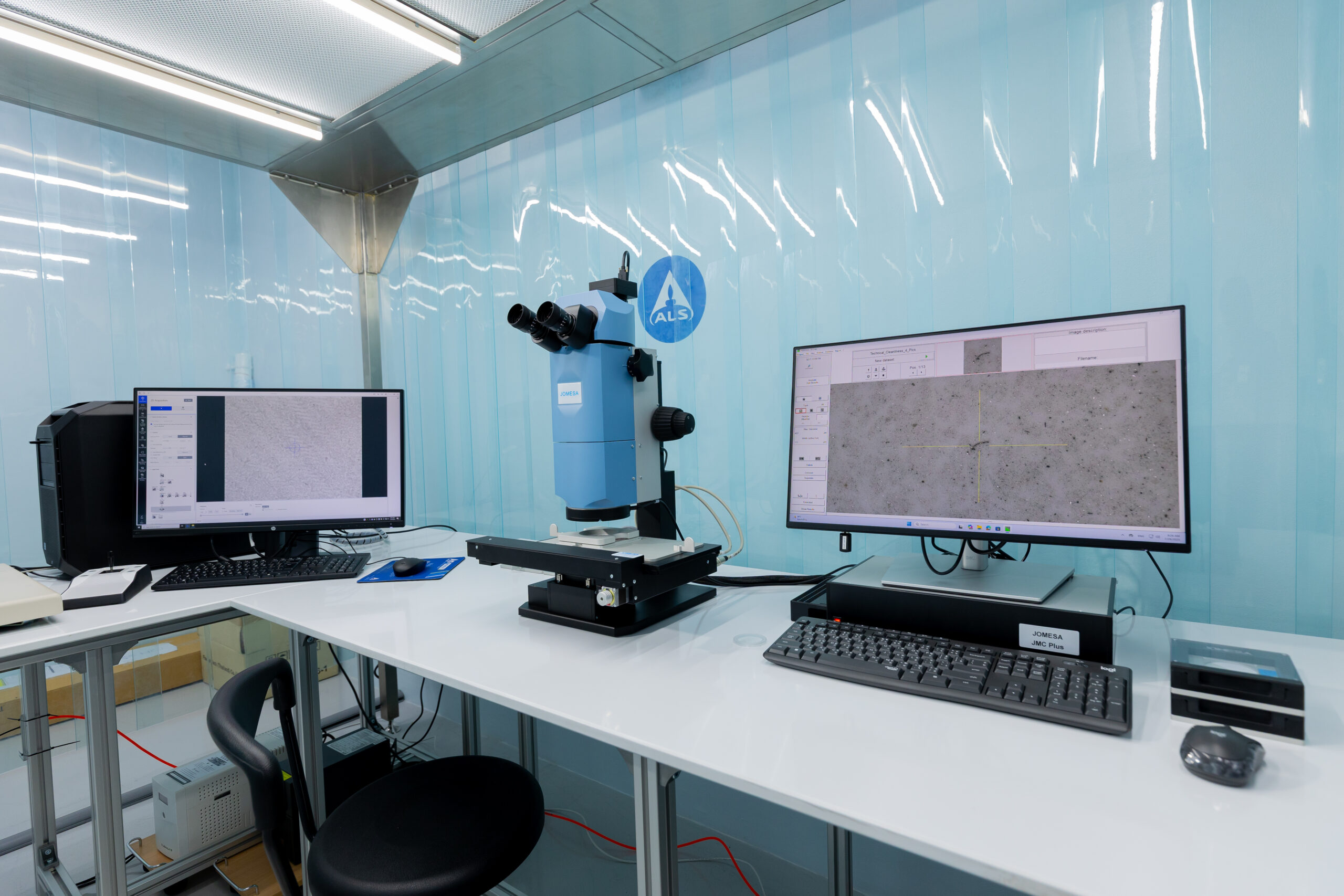
ISO/IEC 17025 Accredited | Cleanliness · Failure Analysis · Materials · Chemical Testing
ISO 17025 Accredited | ILAC MRA | 40+ Years Global Network
Every automotive component failure begins with something invisible: contamination, material degradation, or an undetected defect. In today’s automotive manufacturing landscape, where tolerance for error is measured in microns and regulatory pressure increases with every new model cycle, the stakes of unvalidated components have never been higher.
Manufacturers across Malaysia and Southeast Asia face mounting pressure from multiple directions: more complex EV platforms, tighter OEM specification requirements, increasingly stringent chemical and emissions standards, and supply chains that span continents. A single undetected particle in a hydraulic system, a material that off-gasses beyond permissible limits, or a PCB with ionic contamination that escapes to field conditions. All of these can trigger warranty claims, production shutdowns, and reputational damage that far exceeds the cost of proper testing.
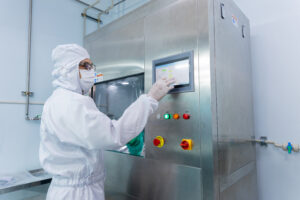
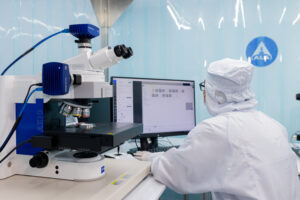
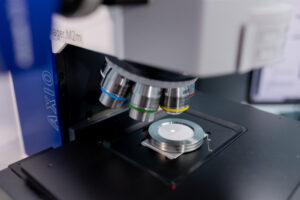
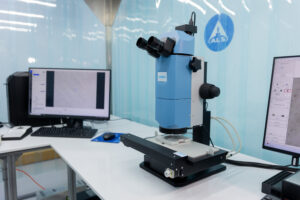
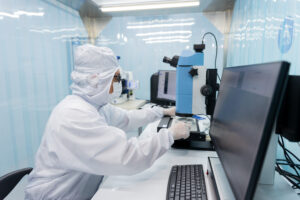
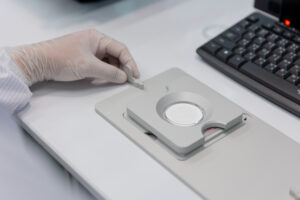
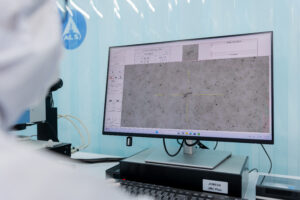
ALS Testing is an independent ISO/IEC 17025 accredited laboratory providing automotive testing services to OEMs, Tier-1 and Tier-2 suppliers, component manufacturers, and automotive electronics companies across Malaysia and Southeast Asia. With over 40 years of global experience across the ALS network and deep local expertise in the Malaysian and regional automotive market, ALS delivers the precision, objectivity, and internationally recognised results that modern automotive manufacturers require.
Explore our full range of automotive testing services below, from technical cleanliness and failure analysis to materials testing and chemical compliance screening.
What Is Automotive Testing?
Automotive testing is the systematic evaluation of materials, components, sub-assemblies, and complete vehicle systems to verify that they meet defined performance, safety, chemical, and regulatory specifications. It spans the entire manufacturing lifecycle, from raw material qualification through prototype validation, production quality control, and field failure investigation.
In scope, automotive testing covers a broad spectrum of disciplines: physical and mechanical testing of materials and structures; chemical analysis of coatings, fluids, and polymer compounds; cleanliness and contamination analysis of precision components and hydraulic systems; failure analysis of components returned from field or production; and environmental simulation testing to assess durability under real-world conditions including temperature cycling, humidity, corrosion, and vibration.
Testing can be classified in several ways. Destructive testing involves irreversible analysis (cross-sections, chemical extraction, or mechanical fracture testing) and yields the most detailed information about a component’s internal structure and material composition. Non-destructive testing (NDT) allows a component to be evaluated and returned to service, using techniques such as SEM imaging, X-ray inspection, or particle extraction. Testing can also be categorised by regulatory purpose: type approval testing confirms conformance to legal and OEM requirements for production intent components, while R&D testing supports early-stage development, material selection, and process optimisation.
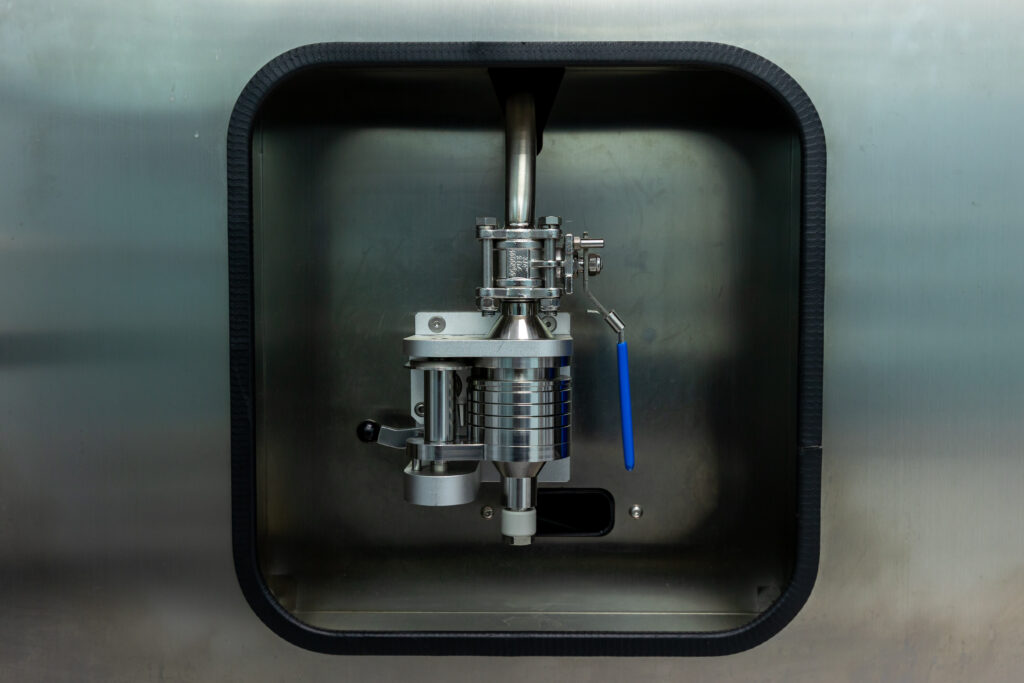
Why Independent Automotive Testing Matters
Independent, third-party laboratory testing plays a central role in modern automotive manufacturing for three critical reasons.
First, regulatory and OEM acceptance: many OEM qualification, type approval, and regulatory processes require or prefer testing performed by an ISO/IEC 17025 accredited laboratory. While in-house testing remains valuable for routine quality control and product development, accredited third-party testing can provide independently verified results when formal evidence of conformity is required. Accredited laboratory results carry a level of traceability and methodological rigour that in-house testing cannot formally provide.
Second, liability protection: when a component or material is tested by an independent laboratory, the test report provides documented, objective evidence of compliance at the time of manufacture. This evidence is critical in the event of warranty claims, product liability disputes, or regulatory investigations. An independent report reduces risk exposure for suppliers and protects against unjustified claims.
Third, objectivity and confidence: there is no conflict of interest in third-party testing. ALS operates independently of its clients and has no stake in any particular test outcome. Our results reflect reality, which is exactly what manufacturers, regulators, and end customers require.
ALS provides all of the above, with 40+ years of global expertise and a local team who understands the nuances of the Malaysian and Southeast Asian automotive supply chain.
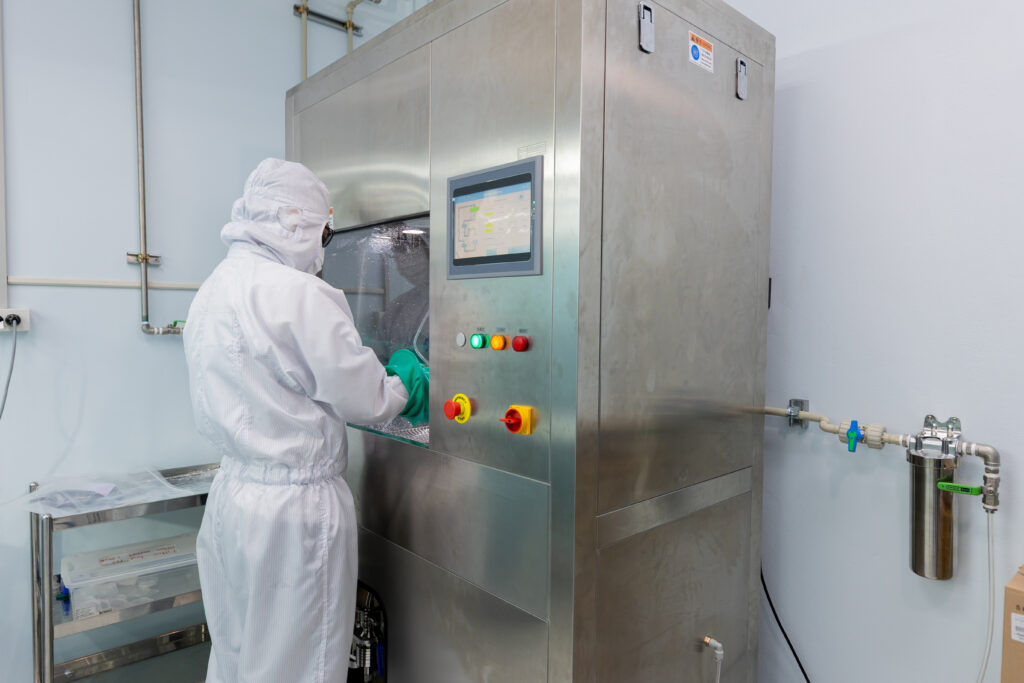
Automotive Testing vs In-House Testing: Key Differences
The question of whether to conduct testing in-house or to outsource to a contract testing laboratory is one that many automotive suppliers face, particularly as they scale up production volumes or seek new OEM approvals. The decision involves multiple dimensions beyond simple cost comparison.
| Dimension | In-House Testing | Third-Party Lab (ALS) |
| Accreditation | Typically not ISO/IEC 17025 accredited | ISO/IEC 17025:2017 accredited – ILAC MRA recognised |
| OEM Acceptance | Often not accepted for formal approval | Accepted by global OEMs and regulatory bodies |
| Equipment Scope | Limited to owned equipment | Full analytical suite: SEM, FTIR, EDX, ICP, GC-MS and more |
| Objectivity | Potential conflict of interest | Fully independent – no stake in outcome |
| Cost Structure | High fixed capex + maintenance | Variable cost – pay per test |
| Turnaround | Internal queues and priorities | Dedicated testing workflow |
| Regulatory Use | Internal QC only | Type approval, OEM submission, regulatory compliance |
For most suppliers, the most effective approach is a combination: in-house QC for routine production monitoring, with outsourced third-party testing for OEM submissions, qualification testing, failure investigations, and regulatory compliance. ALS functions as a natural extension of your quality team in this hybrid model.
Our Automotive Testing Services
ALS Testing provides a comprehensive range of automotive testing services, with particular expertise in technical cleanliness, failure analysis, materials and environmental testing, and chemical and electronics analysis. These capabilities support automotive manufacturers and suppliers from component qualification and contamination analysis through to failure investigation and regulatory compliance.
Cleanliness & Particle Testing (ISO 16232 / VDA 19)
ALS specialises in technical cleanliness testing to ISO 16232 and VDA 19, supporting automotive manufacturers and suppliers with quantitative assessment of particulate contamination in precision components and systems.
Our cleanliness testing services provide manufacturers of precision hydraulic components, fuel system parts, transmission assemblies, and braking system components with quantitative evidence that their products meet defined cleanliness classes.
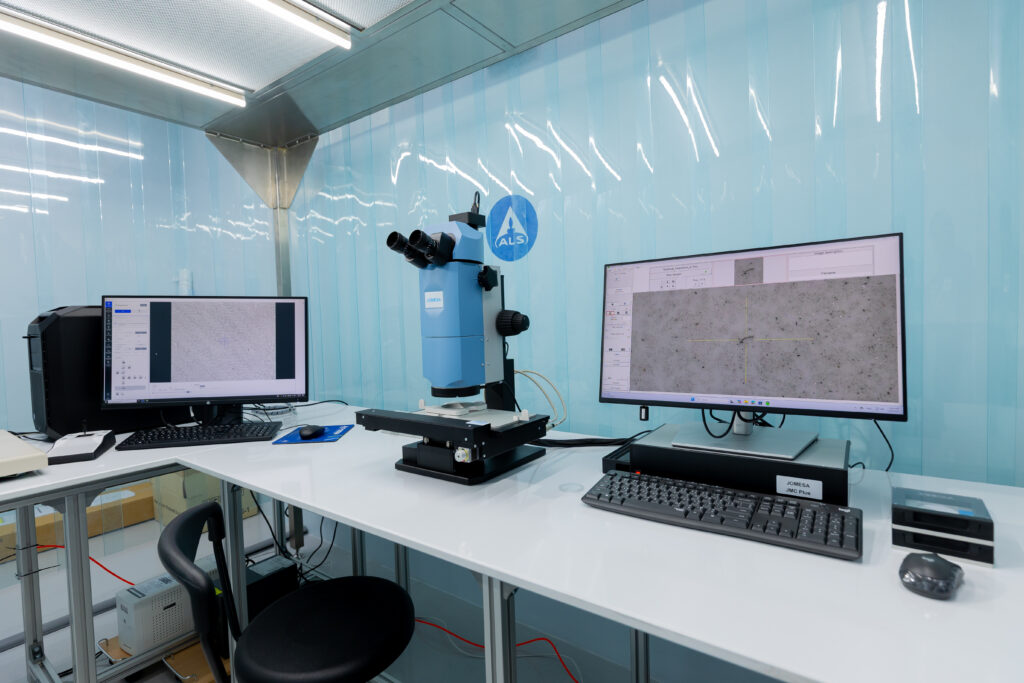
Testing includes extraction of particles from component surfaces and channels, gravimetric analysis for mass-based cleanliness assessment, light obscuration particle counting (LPC) for size distribution and particle count, and microscopic analysis of extracted particles for material identification. ALS combines particle extraction, gravimetric analysis, particle counting, and microscopic material identification to provide a detailed assessment of technical cleanliness for automotive components.
→ Explore our Cleanliness & Particle Testing services: ISO 16232 and VDA 19 cleanliness testing
Failure Analysis (SEM / FTIR / EDX)
Our failure analysis team uses scanning electron microscopy (SEM), FTIR spectroscopy, EDX elemental analysis, and cross-section preparation to identify the root causes of automotive component failures. Whether the failure originated in manufacturing, material selection, processing, or field conditions, our analysts have the tools and experience to trace it to its origin.
Failure analysis is applied across a wide range of scenarios: fracture surface analysis to determine whether a failure was fatigue-related, overload-driven, or corrosion-initiated; contaminant identification on component surfaces; delamination and adhesion failure analysis; and investigation of field returns from OEM warranty programmes. Scanning electron microscopy (SEM) is an important tool in automotive failure analysis, enabling detailed examination of fracture surfaces, contaminants, coatings, and microscopic defects that may not be identified through visual inspection alone.
→ Explore our Failure Analysis services: SEM, FTIR, and EDX failure analysis
Automotive Materials & Environmental Testing
From VOC emissions testing to ISO 12219 and VDA 278 through to salt spray corrosion testing to ISO 9227 and ASTM B117, and thermal shock simulation to IEC 60068. ALS validates that your materials and components survive the demands of real-world automotive use. Our materials and environmental testing services support material qualification, OEM specification compliance, and regulatory approval for automotive interior and exterior components.
Key capabilities include volatile organic compound (VOC) analysis for automotive interior air quality compliance, semi-volatile organic compound (SVOC) screening, fogging testing to ISO 6452, salt spray and humidity testing for corrosion resistance evaluation, and thermal cycling and vibration testing for durability qualification.
These testing capabilities help automotive manufacturers evaluate interior air quality, corrosion resistance, and material durability, supporting component qualification and compliance with relevant OEM and international requirements.
→ Explore our Materials & Environmental Testing services: VOC emissions testing and salt spray
Chemical & Electronics Testing
ALS provides anion and cation analysis by ion chromatography, GCMS trace chemical analysis, ICP-MS elemental analysis, RoHS and REACH compliance screening, and ionic contamination testing for PCB assemblies and automotive electronics components. Our chemical testing services support automotive electronics manufacturers in meeting the increasingly stringent chemical requirements of global OEM supply chains and international regulatory frameworks.
Ion chromatography supports the identification and quantification of ionic contaminants that may affect the reliability of automotive electronics and PCB assemblies. ALS can analyse relevant ionic species including chloride, fluoride, sulfate, phosphate, and organic acid anions. Our ion chromatography capabilities cover the full range of ionic species relevant to automotive electronics: chloride, fluoride, sulfate, phosphate, and organic acid anions.
→ Explore our Chemical & Electronics Testing services: anion and cation analysis by ion chromatography
Industries We Serve
ALS Testing works with manufacturers, suppliers, and engineering teams across the full automotive value chain. Our accredited testing services are designed to meet the specific needs of each customer segment, from globally operating OEMs with complex multi-standard testing requirements to local Tier-2 suppliers seeking a reliable laboratory partner for production qualification.
OEM & Tier-1 Automotive Suppliers
For OEMs and Tier-1 suppliers, ALS provides component validation testing, type approval support, and testing to OEM-specific standards including BMW GS specifications, Ford WSS standards, Toyota TSM requirements, and general group standards from major European, American, and Japanese automotive manufacturers. Our ISO/IEC 17025 accreditation ensures that results are accepted without question at OEM technical centres worldwide.
Whether you require cleanliness class certification for a hydraulic valve body, failure analysis of a returned warranty component, or VOC emissions testing for interior trim materials, ALS has the capability and accreditation to support your supply chain quality requirements.
Electric Vehicle (EV) Manufacturers & Suppliers
As EV adoption accelerates across Southeast Asia, driven by government incentive programmes in Malaysia, Thailand, Indonesia, and Vietnam. ALS supports EV manufacturers and their supply chains with battery component cleanliness testing, thermal management material analysis, electric motor component failure investigation, and chemical analysis of battery electrolytes and electrode materials.
The unique testing challenges posed by EV platforms, from the cleanliness requirements of high-voltage battery assemblies to the ionic contamination risks in power electronics, map directly to ALS’s core competencies in cleanliness testing and chemical analysis. These capabilities allow ALS to support selected EV component and material testing requirements across the automotive supply chain.
Automotive Electronics & PCB Manufacturers
From ionic contamination testing and anion/cation analysis by ion chromatography, through to RoHS/REACH compliance screening and solderability testing, ALS supports automotive electronics manufacturers with the precise chemical and reliability analysis that modern automotive electronics programmes demand. Automotive electronics are subject to some of the most stringent chemical cleanliness requirements in the electronics industry, driven by the safety-critical nature of automotive control systems.
Automotive Materials & Polymer Suppliers
ALS tests automotive-grade plastics, rubbers, foams, adhesives, coatings, and composite materials for VOC and SVOC emissions, restricted substance compliance, chemical resistance, and mechanical performance to VDA, ISO, and OEM specifications. Whether you supply instrument panel materials, headliner fabrics, underbonnet polymers, or structural adhesives, ALS can provide the testing evidence your OEM customers require.
Standards & Accreditations
Trust in laboratory testing results rests on a foundation of documented accreditation, methodological rigour, and equipment traceability. ALS Testing is accredited to ISO/IEC 17025:2017, the international standard for the competence of testing and calibration laboratories, by an accreditation body that is a signatory to the ILAC Mutual Recognition Arrangement (MRA).
ISO/IEC 17025:2017 Accreditation
ALS Testing is accredited to ISO/IEC 17025:2017, with results recognised under the ILAC MRA across more than 100 countries. This means that test reports issued by ALS are accepted by OEMs, regulatory bodies, and government agencies worldwide without the need for re-testing. The ILAC MRA is the global framework that enables laboratory results to cross borders with confidence, which is essential for automotive supply chains that operate across multiple markets.
Our accreditation covers a defined scope of tests, with accredited test methods listed in our schedule of accreditation available from our accreditation body. For any test conducted within our accredited scope, our reports carry the formal ILAC MRA mark, confirming that the result was produced under a quality management system that meets the highest international standards for laboratory competence.
Key Automotive Standards We Test To
ALS testing capabilities span the major international and OEM-specific standards that govern automotive material, component, and electronics testing. The following table provides a reference overview of the key standards applied across our automotive testing scope.
| Standard | Full Name | Category | Applied In |
| ISO 16232 | Road Vehicles – Cleanliness of Components | Cleanliness Testing | Hydraulic, fuel, braking systems |
| VDA 19 | Testing of Technical Cleanliness | Cleanliness Testing | Precision components – German OEM standard |
| VDA 278 | Volatile Organic Compounds from Non-metallic Materials | VOC / Emissions | Automotive interior air quality |
| ISO 12219 | Interior Air of Road Vehicles | VOC / Emissions | Cabin VOC and SVOC measurement |
| VDA 275 | Formaldehyde Emission – Photometric Analysis | Chemical Emissions | Interior materials – formaldehyde |
| ISO 9227 | Corrosion Tests – Salt Spray Apparatus | Environmental / Corrosion | Metal components, coatings, fasteners |
| ASTM B117 | Salt Spray (Fog) Apparatus | Environmental / Corrosion | General corrosion testing – US standard |
| IEC 60068 | Environmental Testing for Electronic Products | Environmental Simulation | Automotive electronics components |
| IPC-TM-650 | Test Methods Manual – PCB & Electronics | Electronics Testing | PCB ionic contamination, solderability |
| REACH | Registration, Evaluation, Authorisation of Chemicals | Chemical Compliance | Restricted substances – EU directive |
| RoHS Directive | Restriction of Hazardous Substances | Chemical Compliance | Electronics – hazardous substance limits |
Why Choose ALS Testing?
In a market where testing laboratories are not in short supply, the quality of the laboratory you choose to partner with has direct consequences for your OEM relationships, your regulatory compliance posture, and your ability to respond to product quality issues quickly and with confidence. ALS Testing differentiates itself across four key dimensions that matter most to automotive manufacturers.
Specialist in Cleanliness & Failure Analysis
ALS Testing brings specialist-level expertise in automotive cleanliness testing to ISO 16232 and VDA 19, and failure analysis using SEM, FTIR, and EDX, capabilities that few laboratories in Malaysia can match at this depth. While major competitors in the Malaysian market offer general testing services, cleanliness testing and advanced failure analysis require specialised equipment, methodological experience, and analysts who understand automotive manufacturing processes. This combination of cleanliness testing and advanced failure analysis enables ALS to support automotive manufacturers from routine component qualification through to complex root-cause investigations.
ISO/IEC 17025 Accredited – Globally Recognised Results
Our accredited test reports are accepted by OEMs and regulatory authorities across more than 100 countries under the ILAC MRA, giving you confidence in every result and eliminating the risk of results being rejected by your customer’s technical approval team. When you submit an ALS test report in support of an OEM qualification, a type approval application, or a regulatory submission, you are submitting a document that carries internationally recognised weight.
Part of a 40+ Year Global Testing Network
As part of the ALS global network, one of the world’s leading testing, inspection, and certification organisations, we combine world-class laboratory capabilities with deep local knowledge of the Malaysian and Southeast Asian automotive market. The ALS global network provides access to specialised testing capabilities, technical expertise, and reference resources that simply are not available at standalone regional laboratories. For automotive manufacturers with testing requirements that extend beyond our local scope, the global ALS network provides seamless access to the same quality standards in other markets.
Fast Turnaround & Responsive Technical Support
We understand that testing delays cost money. Production holds, delayed OEM submissions, and extended field investigation timelines all have real financial consequences. Our team is structured to provide fast turnaround times and proactive communication from the moment of sample receipt through to the delivery of your final test report. We treat every sample as if a production decision depends on it, because it often does.
Frequently Asked Questions (FAQ)
Q: What automotive testing services does ALS offer?
ALS Testing provides five core categories of automotive testing services
(1) Technical Cleanliness & Particle Testing to ISO 16232 and VDA 19;
(2) Failure Analysis using SEM, FTIR, EDX, and cross-section analysis;
(3) Automotive Materials & Environmental Testing including VOC, salt spray, and thermal simulation;
(4) Chemical & Electronics Testing including ion chromatography, GCMS, and RoHS/REACH compliance; and
(5) the full Automotive Testing Hub encompassing all of the above with OEM-standard test methods. Contact our team or visit the relevant service page for a detailed capability list.
Q: Is your laboratory accredited for automotive testing?
Yes. ALS Testing is accredited to ISO/IEC 17025:2017. Our test reports carry the ILAC MRA mark and are recognised by OEMs and regulatory bodies in more than 100 countries worldwide. Accreditation to ISO/IEC 17025 is the international gold standard for laboratory competence, and it means that every test result we produce has been generated under a formally validated quality management system with documented traceability to national and international measurement standards.
Q: Do you serve clients in Malaysia and other countries in the region?
Yes. ALS Testing primarily serves clients in Malaysia, and we also support manufacturers and suppliers in Thailand, Singapore, Indonesia, Vietnam, and other markets across Southeast Asia. Our ISO/IEC 17025 accreditation, recognised under the ILAC MRA, means that our test reports are accepted across all major global markets. For samples shipped from outside Malaysia, please contact us to discuss logistics and sample submission requirements.
Q: Can you test to OEM-specific standards such as BMW, Toyota, or Ford specifications?
Yes. ALS has experience with a range of OEM-specific test standards in addition to international standards such as ISO, VDA, and IEC. Please contact us with your specific requirements, including the OEM specification number and revision, and our technical team will confirm our capability and advise on the appropriate test method. For standards outside our current scope, we will advise whether the test can be conducted under the ALS global network.
Q: How do I submit samples and obtain a quote?
The process is straightforward
(1) Contact our team via the enquiry form at /contact/ or by telephone, providing details of the component, the test required, and the standard or specification;
(2) Our technical team will provide a quotation and sample submission instructions;
(3) Ship or deliver your samples to our laboratory;
(4) Testing is conducted and your report is issued electronically. For urgent requirements, please indicate this when making contact and we will advise on expedited options.
Q: What is the typical turnaround time for automotive testing?
Turnaround times vary depending on the test type, sample preparation requirements, and current laboratory workload. Simple chemical analyses may be completed within two to five business days, while complex failure analysis or multi-test programmes may require one to three weeks. Please contact our team when submitting your enquiry and we will provide a specific timeline estimate for your requirements. We also offer expedited service for time-critical investigations; please ask about this option if your situation requires faster results.
Request an Automotive Testing Quote
Ready to discuss your automotive testing requirements? Whether you need cleanliness certification for a precision component, a root cause failure analysis, VOC emissions testing for interior materials, or a comprehensive multi-test qualification programme, ALS Testing’s specialists are here to help, from initial sample submission guidance through to delivery of your final test report.
Our team makes the process simple. Tell us what you need, and we will provide a clear quotation, sample submission instructions, and a realistic timeline. For complex programmes, we can arrange a technical discussion to ensure that the test plan is fully aligned with your OEM or regulatory requirements.
→ Request a Quote: https://www.alstesting.co.th/contact-us/
→ Download Automotive Testing Capability Brochure
ISO/IEC 17025:2017 Accredited | Results trusted by OEMs worldwide | ILAC MRA Recognised