

Component Cleanliness

PCB Testing
May 13, 2026
Volatile Organic Compounds (VOCs)
May 13, 2026Component Cleanliness
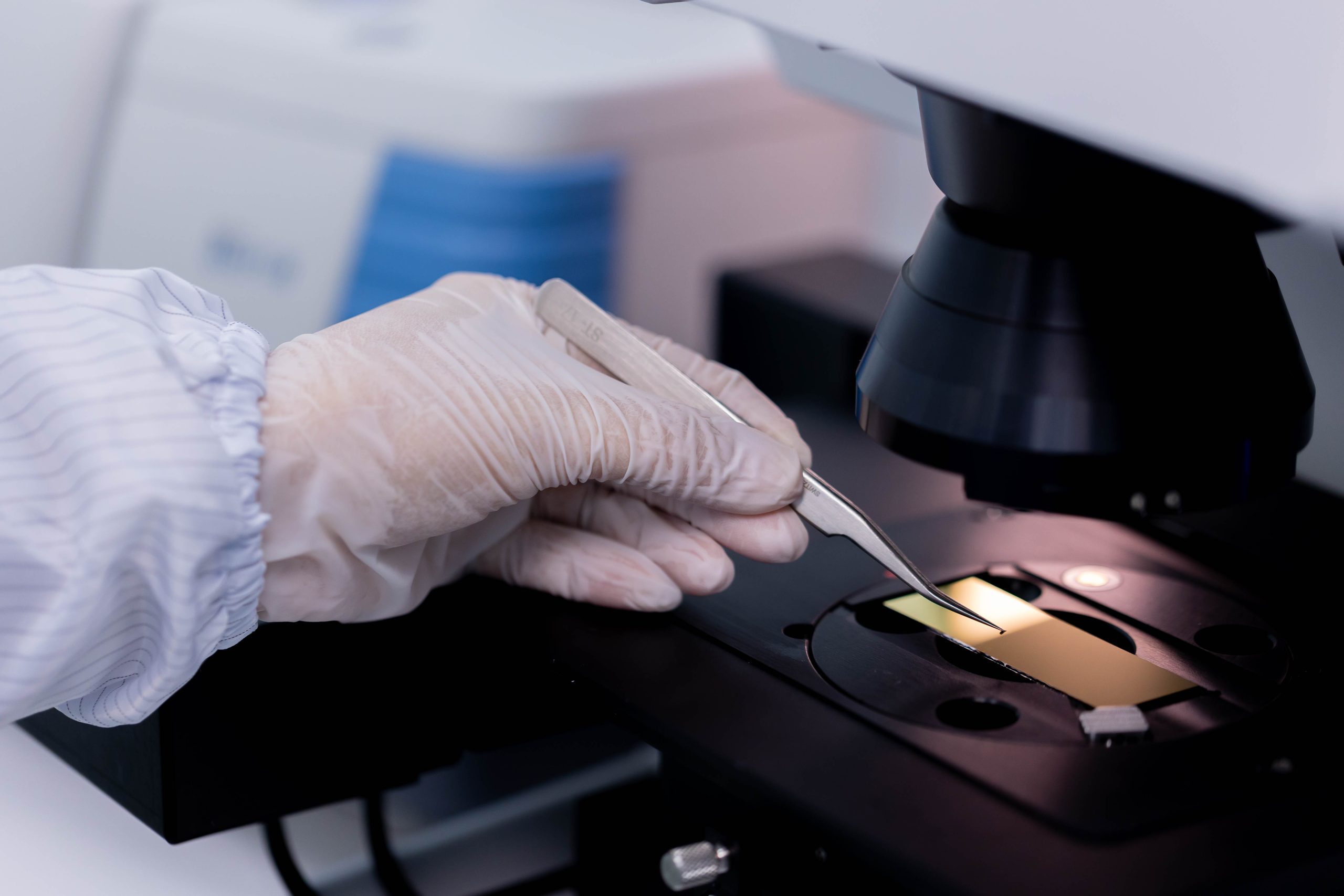
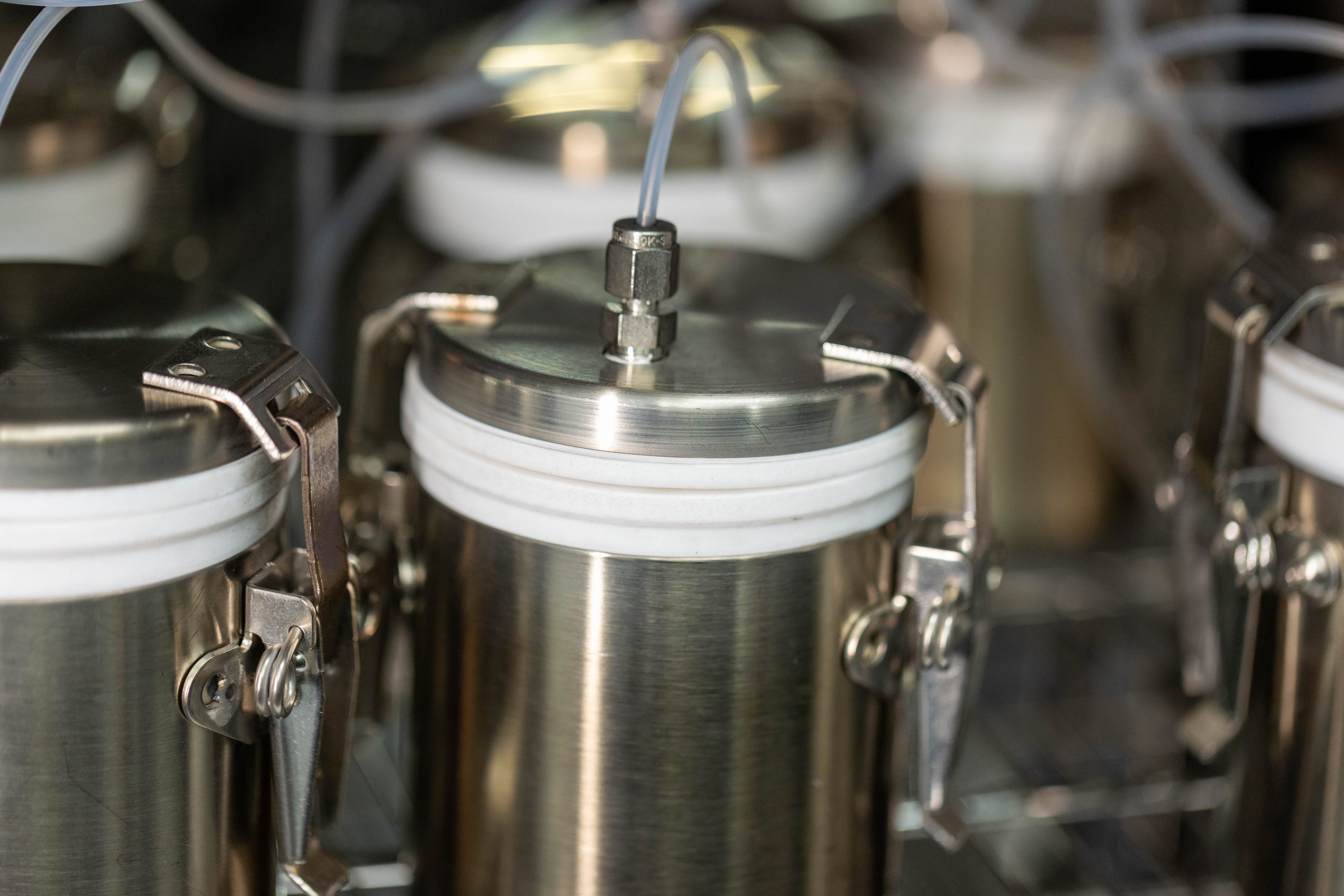
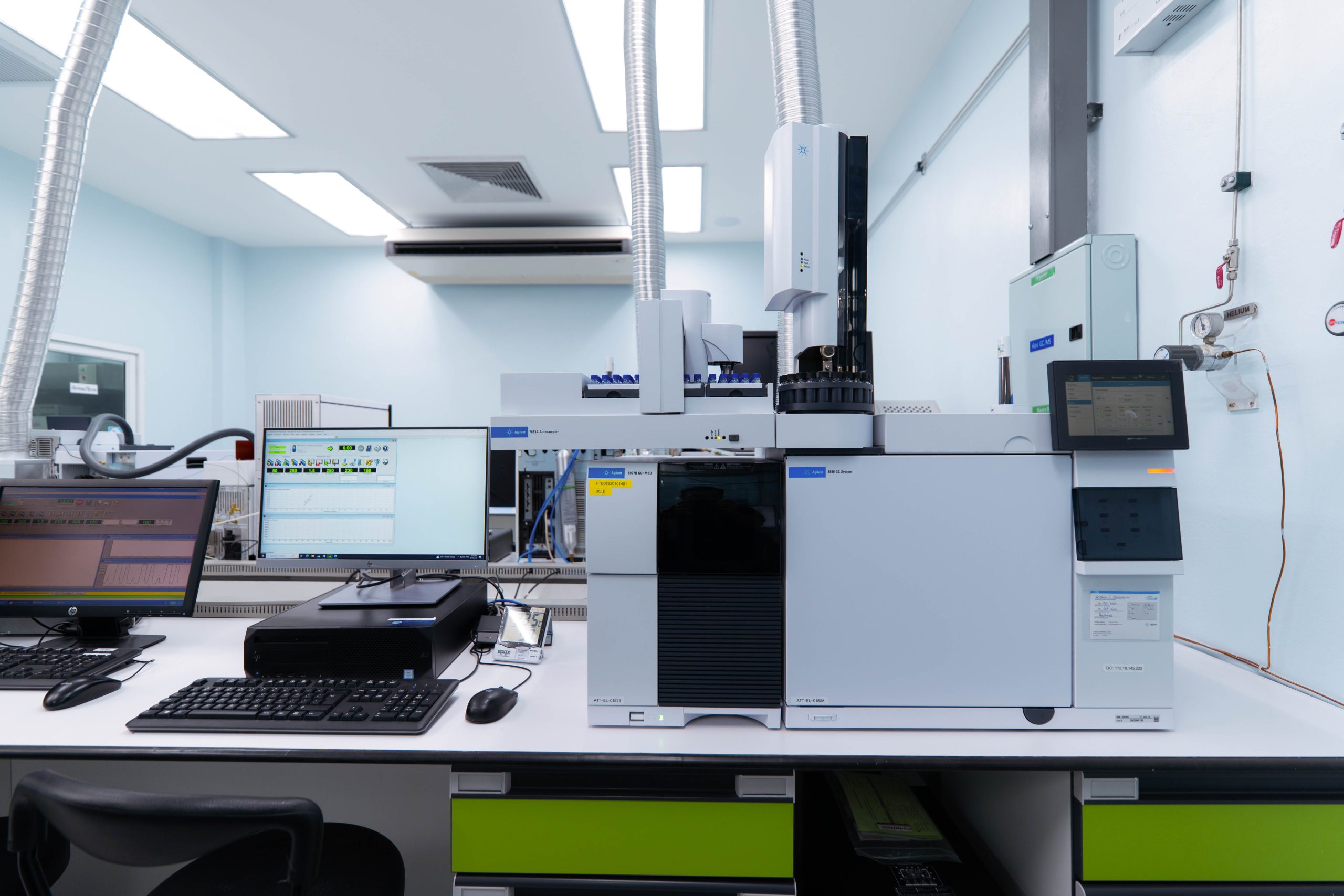
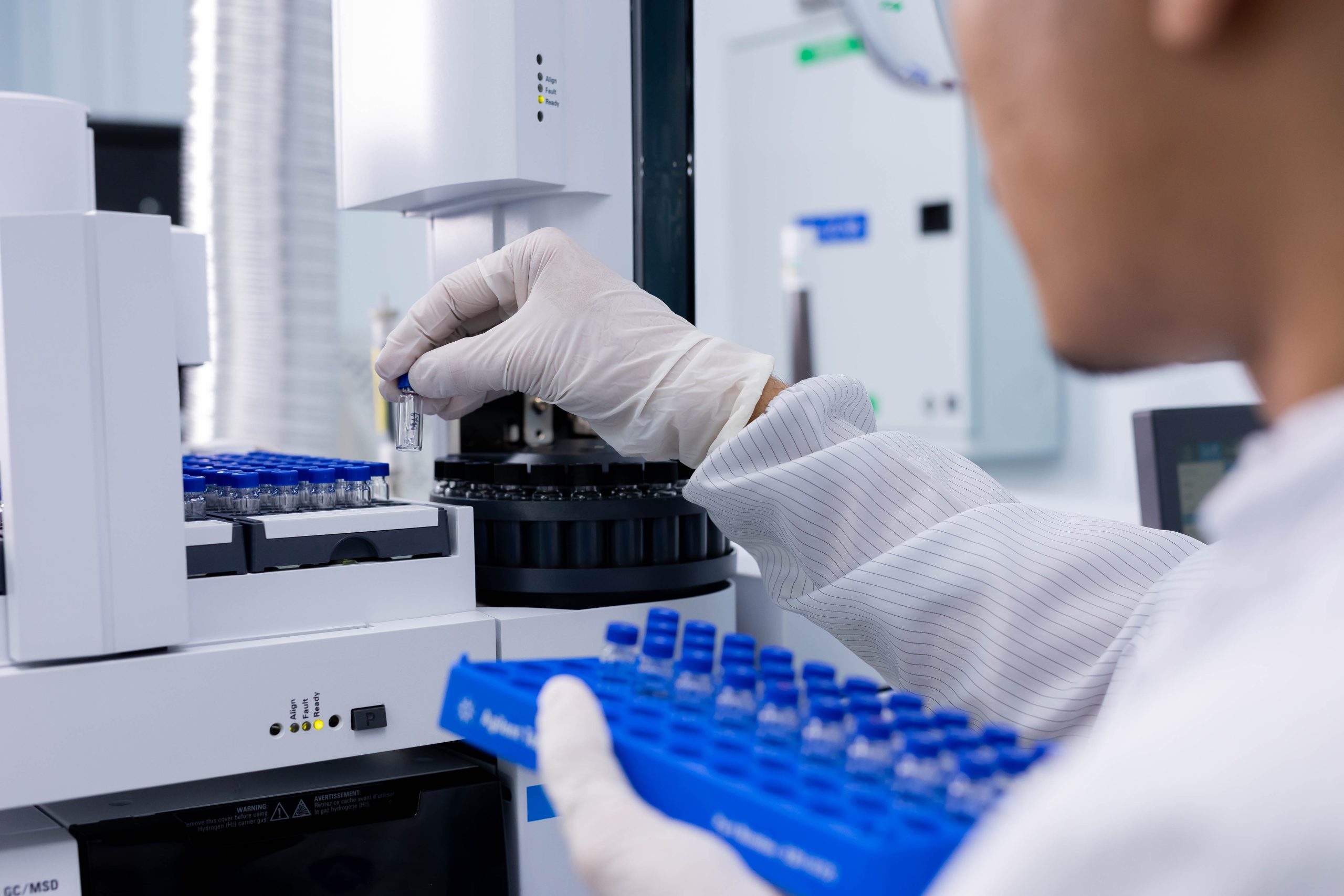
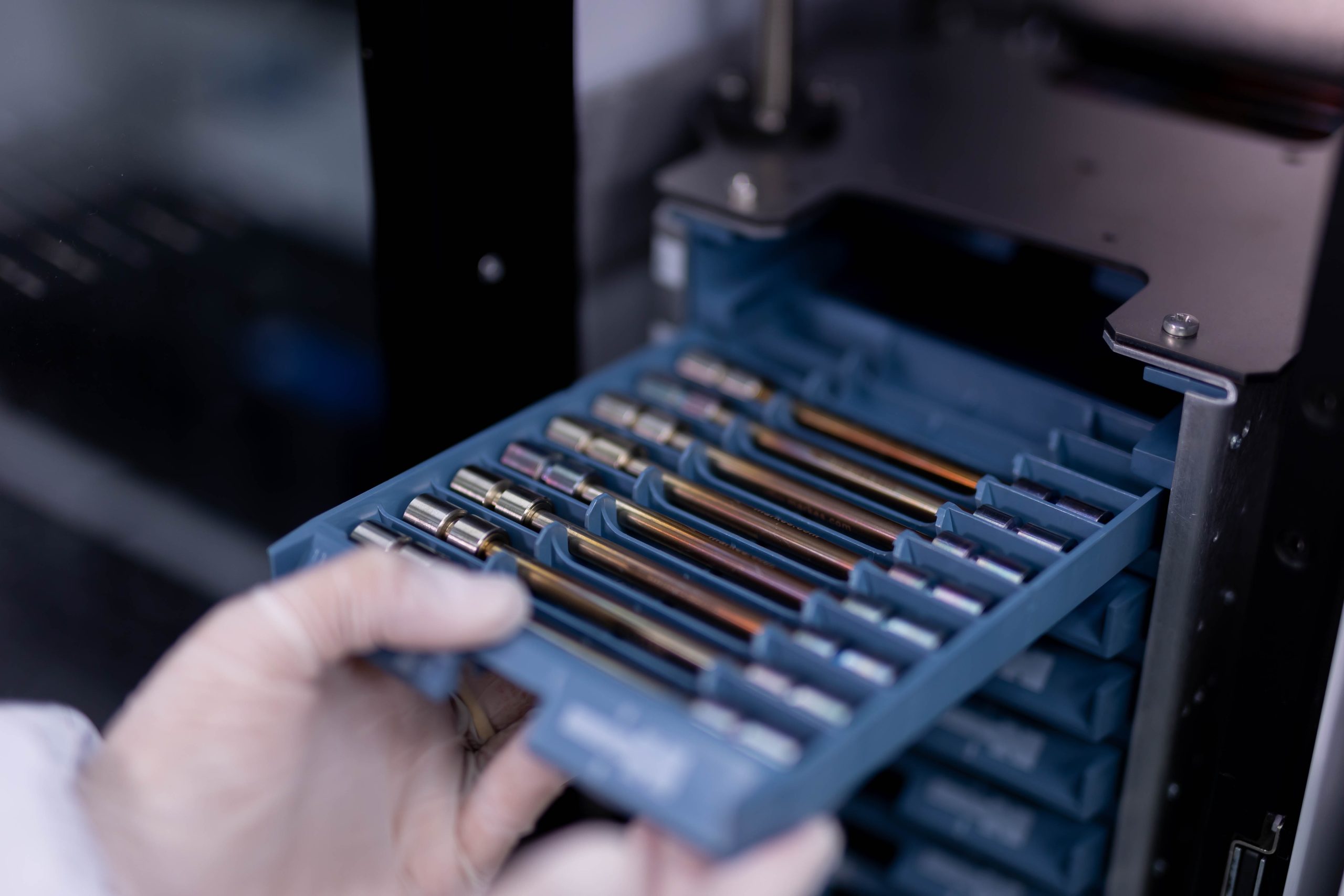

Component Cleanliness: The Hidden Factor That Keeps Industry Running
When Clean Isn’t Just Tidy — It’s Critical
In precision manufacturing, a single microscopic particle in the wrong place can bring an entire system to a halt. Component cleanliness — the rigorous process of ensuring that manufactured parts are free from contamination — is one of the most important yet often overlooked disciplines in modern industry.
Whether you’re producing automotive parts, aircraft components, electronic assemblies, or industrial machinery, contamination control isn’t a finishing step. It’s a fundamental quality requirement that directly impacts performance, safety, and service life.

7 Reasons Component Cleanliness Can’t Be Ignored
1. Preventing Wear and Component Damage
Unwanted particles — dust, metal shavings, oil residues — act like sandpaper inside precision mechanisms. When contaminants infiltrate moving parts, they accelerate friction and wear, causing components to degrade far faster than designed. Proper cleaning dramatically extends component service life and protects the investment in precision manufacturing.
⚙️ 2. Eliminating Jamming and Operational Irregularities
In systems where components move or interact — such as engines, hydraulic circuits, or pneumatic systems — even minor contamination can disrupt smooth operation. The result? Sluggish movement, unexpected jamming, or complete system seizure. Clean components move as designed: reliably, smoothly, and without interruption.
3. Reducing Fire and Explosion Risk
In chemical processing and aerospace applications, contamination isn’t just a mechanical problem — it can be a safety hazard. Accumulated chemical residues or reactive substances inside components can trigger unintended chemical reactions or generate dangerous heat buildup. Regular cleaning eliminates this risk before it becomes a crisis.
4. Protecting Product Quality
In electronics and pharmaceutical manufacturing, even trace-level contamination on sensitive components can compromise the entire product — causing functional defects, failed inspections, or non-compliance with quality standards. Component cleanliness ensures that what comes off the production line meets specification, every time.
5. Preventing Cascading Production Problems
Contamination doesn’t stay in one place. Dirty components introduce particles into manufacturing equipment, causing blockages, inconsistent outputs, and efficiency losses that compound over time. Cleaning at each stage of production keeps the entire manufacturing process running smoothly — preventing small problems from becoming expensive shutdowns.
6. Reducing Maintenance Costs
Clean components simply last longer and break down less frequently. By preventing contamination-related damage, regular cleanliness protocols significantly reduce repair and replacement costs — delivering measurable savings over the life of equipment and machinery.
7. Meeting Industry Standards and Regulatory Requirements
Component cleanliness is not just good practice — in many industries, it’s a mandatory requirement. Standards such as ISO, ASTM, VDA 19, and ISO 16232 define specific cleanliness thresholds that must be met. Compliance protects product quality, supports certification, satisfies legal obligations, and demonstrates a genuine commitment to safety.
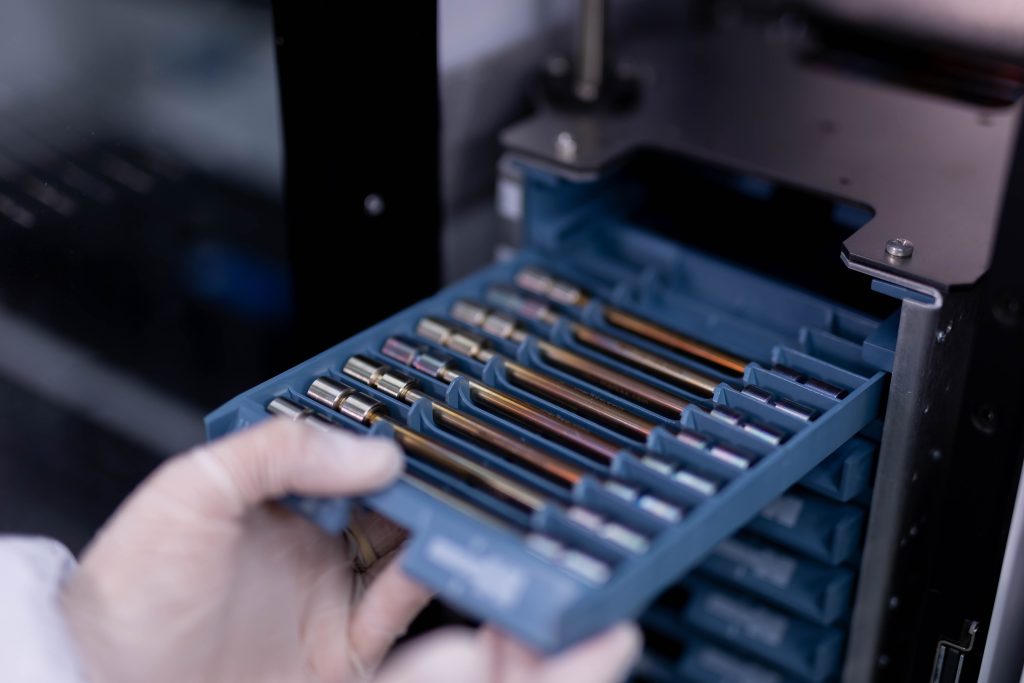
The Bottom Line
Component cleanliness is one of the most cost-effective investments in manufacturing quality. When contamination is controlled:
✅ Components last longer ✅ Systems run more reliably ✅ Production processes stay efficient ✅ Safety risks are minimized ✅ Products consistently meet international standards
Neglecting it, on the other hand, invites a cascade of preventable failures — from premature wear and system downtime to product recalls and safety incidents.
ALS Testing: Your Partner in Cleanliness Verification
ALS Testing Services provides a comprehensive range of component cleanliness testing and analysis capabilities — giving you the scientific data to verify cleanliness levels, identify contamination sources, and make confident quality decisions.
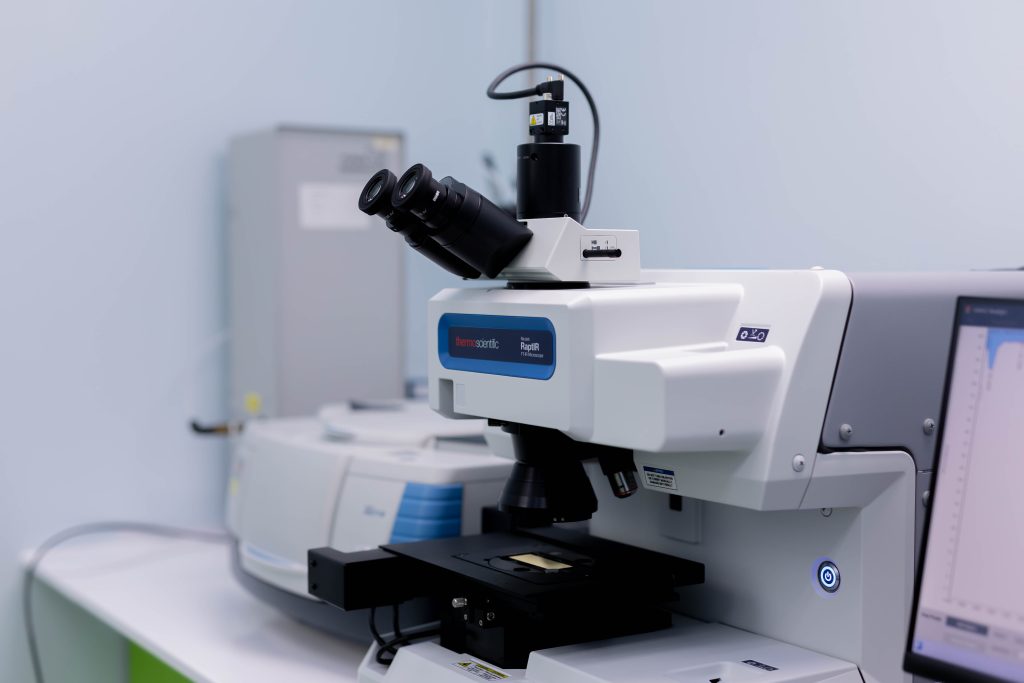
Our Testing Instruments and Capabilities
Table
| Instrument / Method | What It Does |
|---|---|
| FT-IR & FT-IR Microscopy | Identifies organic contaminants, polymer residues, and unknown substances on component surfaces |
| Liquid Particle Counter (LPC) | Measures and counts suspended particles in liquid — ideal for hydraulic fluids and cleaning baths |
| VDA 19 / ISO 16232-2018 Particle Analysis | Industry-standard measurement and counting of particles on automotive components |
| Ion Chromatography (IC) | Quantifies residual ionic contamination — critical for corrosion prevention and electronic reliability |
| HPLC (High Performance Liquid Chromatography) | Separates and analyzes complex chemical mixtures including coatings, additives, and process residues |
| SEM/EDX | High-resolution surface imaging combined with elemental analysis — pinpoints the composition and origin of contamination particles |
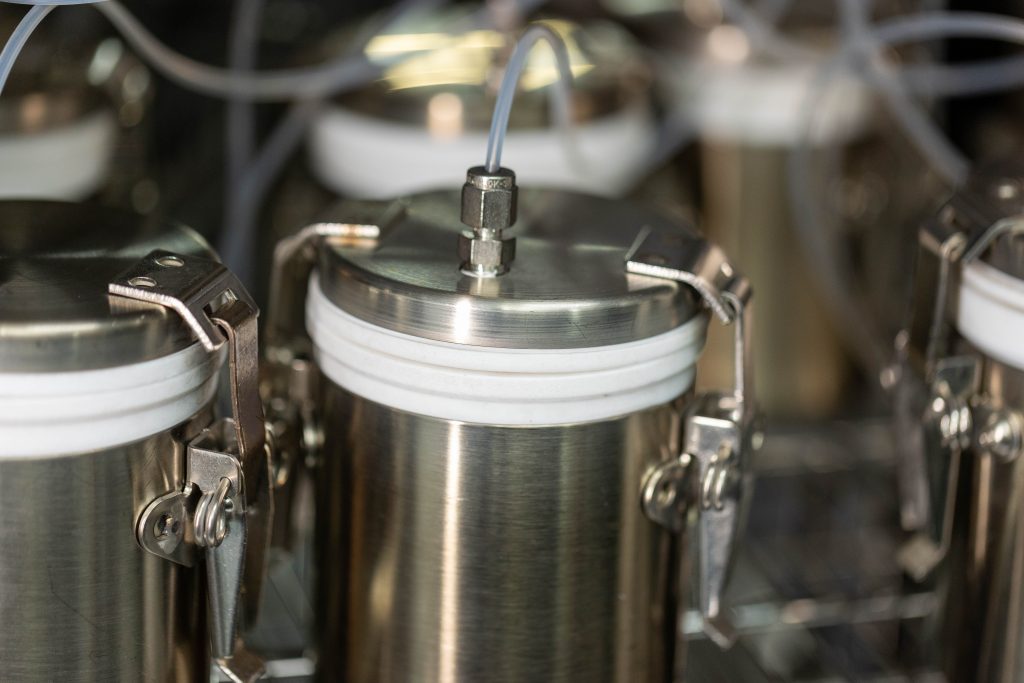
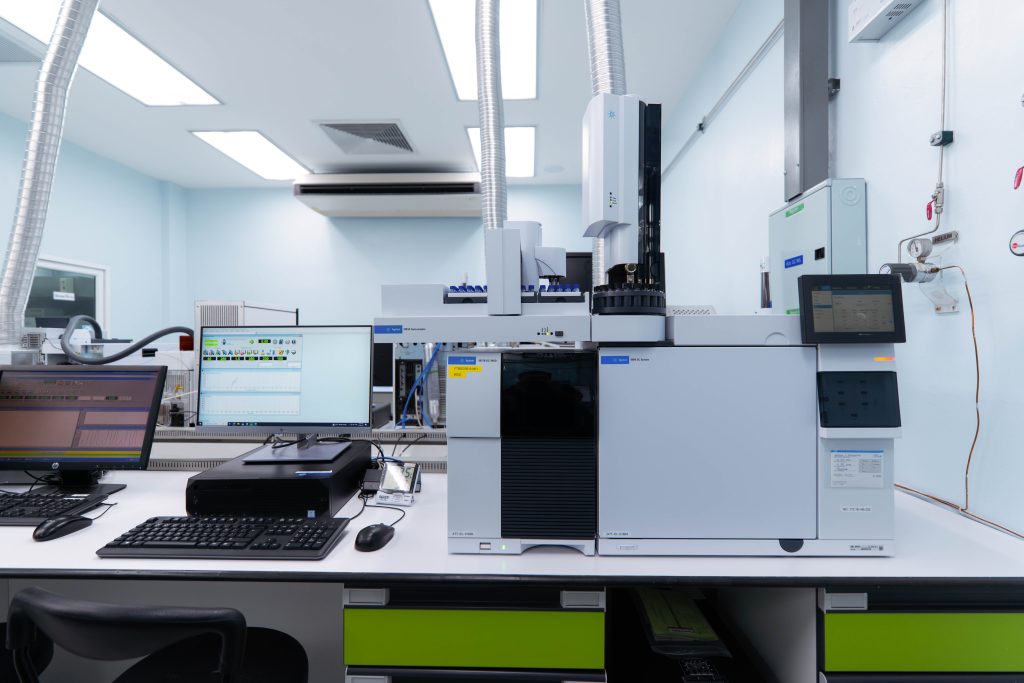
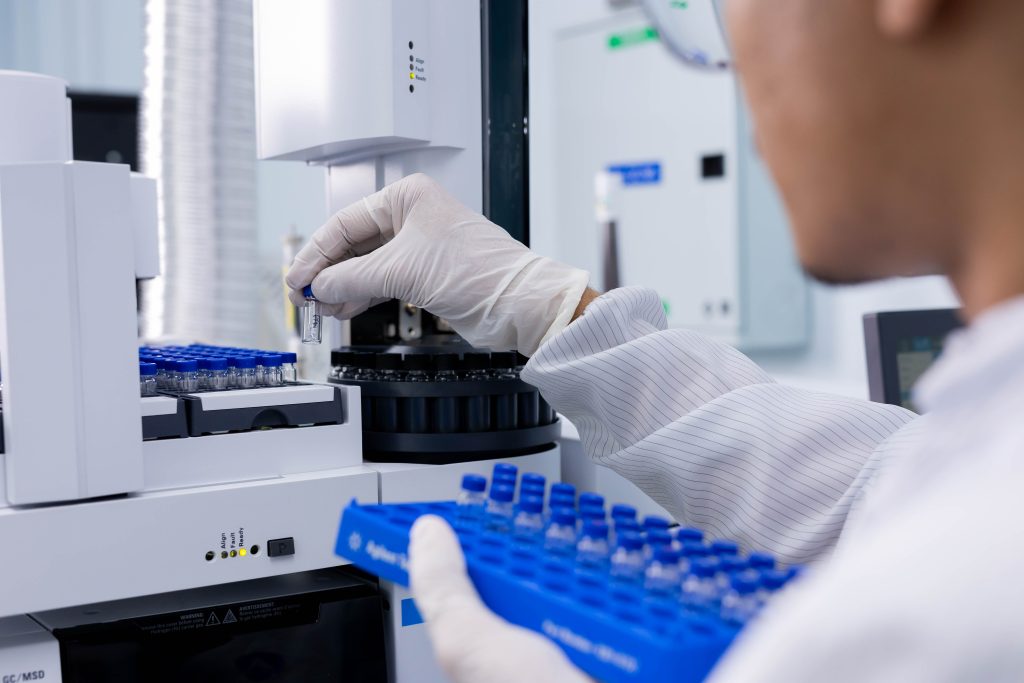
| GC/MS (Liquid & Gas Sample Preparation) | Identifies and quantifies volatile and semi-volatile organic compounds in both liquid and gas-phase samples |
Why Choose ALS?
- ✅ ISO/IEC 17025 accredited laboratory — internationally recognized, reliable results
- State-of-the-art analytical instruments — the right tool for every contamination challenge
- Experienced specialist team — expert interpretation and actionable recommendations
- Serving multiple industries — automotive, electronics, aerospace, pharmaceutical, and more
Contact ALS Testing Services (Thailand)
ALS Testing Services (Thailand) Co., Ltd. Advanced chemical analysis and materials testing — powered by modern technology and specialist expertise.
Tel: +(66) 2700 9665
Email: pathumthani@alsglobal.com
Don’t leave cleanliness to chance. Contact our team today to find the right testing solution for your components and your industry.


