

PCB Testing

Particle & Contamination Analysis
May 13, 2026
Component Cleanliness
May 13, 2026PCB Testing
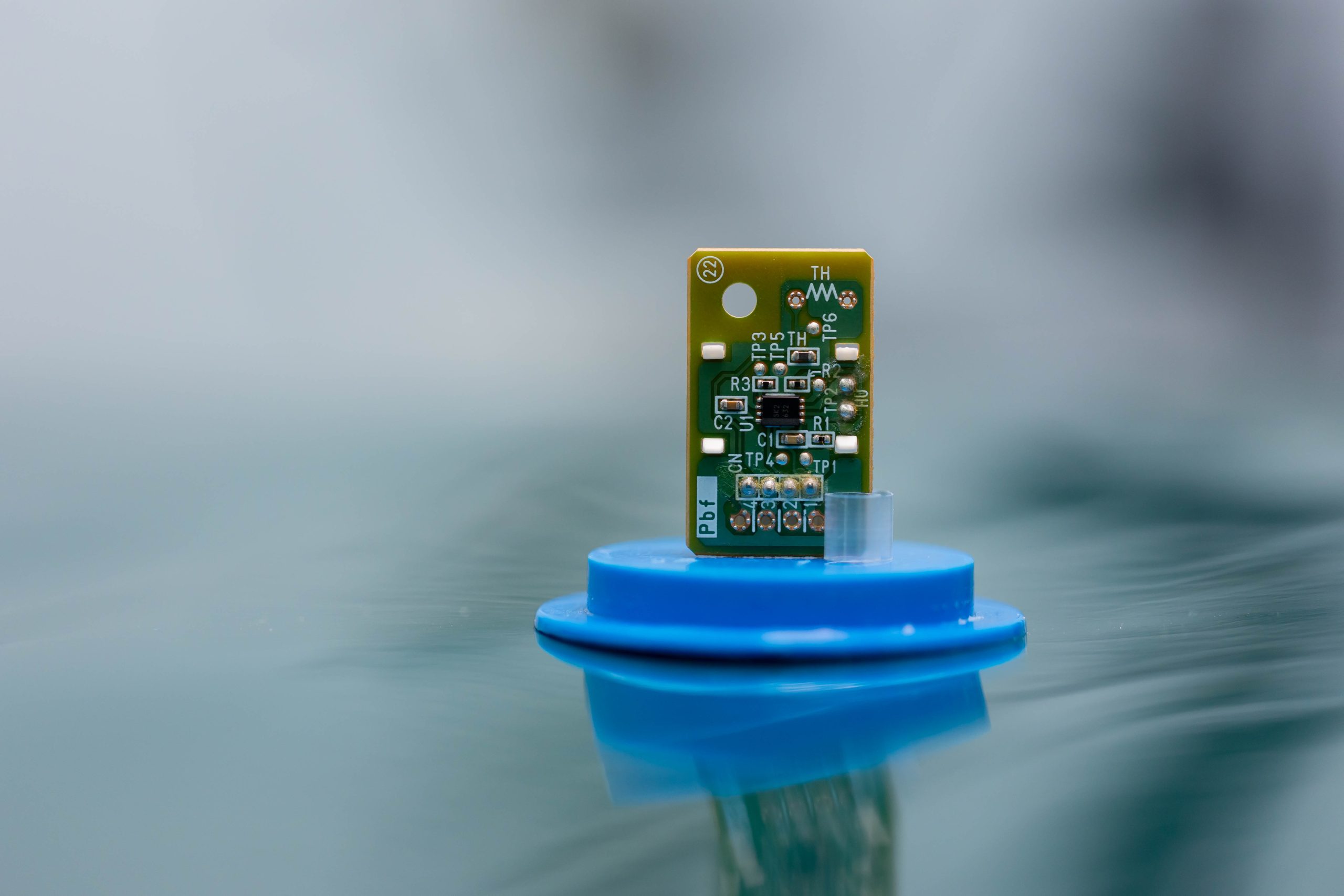

PCB Testing: Ensuring Every Circuit Performs When It Matters Most
The Tiny Board Behind Every Big Technology
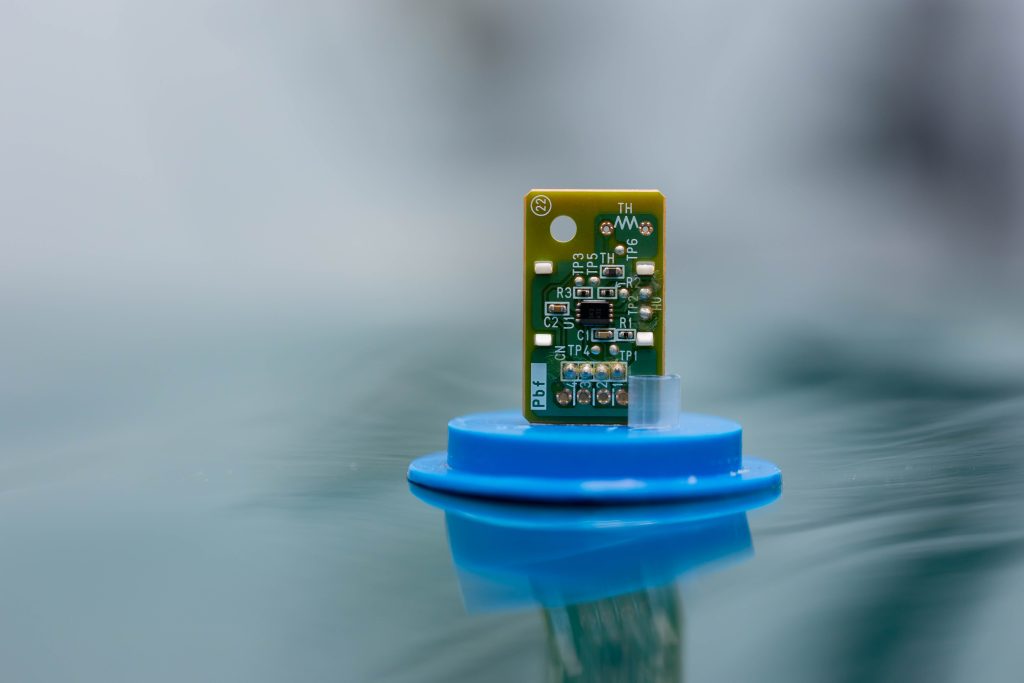
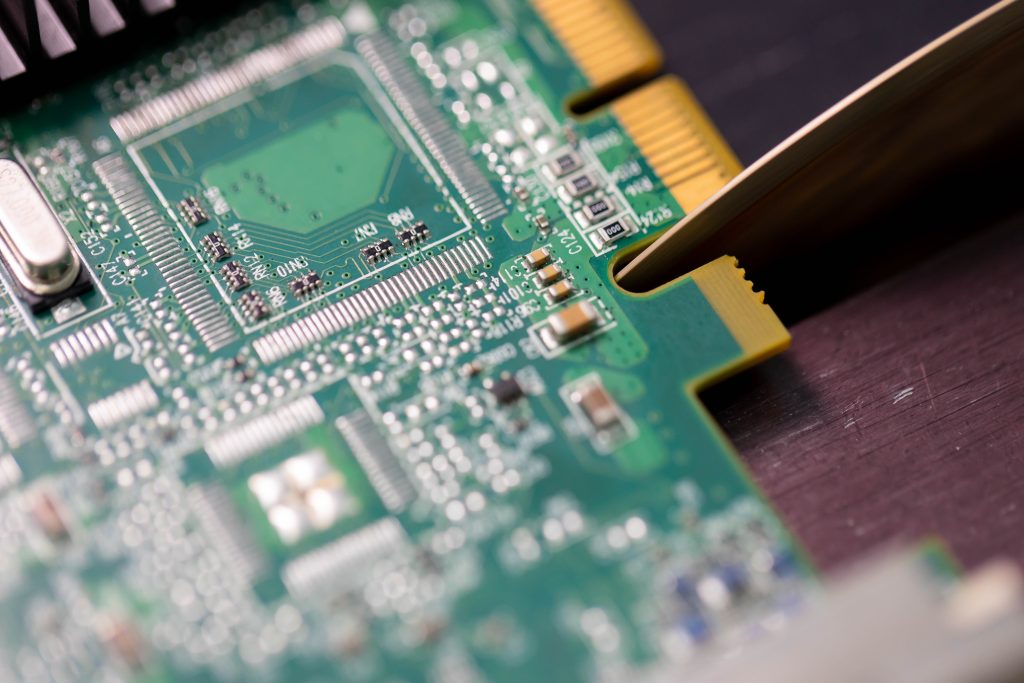
From the smartphone in your pocket to life-saving medical devices and satellite systems, Printed Circuit Boards (PCBs) are the invisible backbone of modern electronics. These precisely engineered boards use etched copper pathways on insulating substrates to mount and connect electronic components — and when they fail, everything built around them fails too.
That’s why PCB testing isn’t optional. It’s essential.
Comprehensive testing throughout the design, manufacturing, and assembly stages is the only reliable way to ensure a PCB will perform consistently and safely — across every application, in every environment it was built for.
Why PCB Testing Is Non-Negotiable
1. Quality Assurance That Protects Your Product
A PCB defect doesn’t stay confined to the board — it becomes a system failure. Testing identifies and resolves issues before a defective board ever makes it into a finished product, safeguarding both performance and reliability.
2. Catching Problems Early Saves Money
The earlier a defect is found, the cheaper it is to fix. Detecting a fault on the production line costs a fraction of what it costs to address the same problem after assembly, shipping, or — worst of all — after a customer complaint. PCB testing directly reduces rework, scrap, warranty claims, and recall costs.
3. ️ Reliability Where It Counts Most
PCBs power some of the world’s most critical systems — medical devices, aerospace equipment, industrial controls. In these applications, failure isn’t just inconvenient; it can be dangerous. Rigorous testing ensures every board meets the reliability standards required to perform under demanding, real-world conditions.
4. Defect Detection Across the Full Spectrum
PCB testing covers a wide range of potential failure modes:
- Short circuits and open circuits
- Soldering defects
- Component misplacement or misalignment
- Material inconsistencies
Thorough testing catches these issues systematically — not by chance.
5. ✅ Process Verification, Not Just Product Inspection
PCB testing isn’t just about finding what went wrong — it verifies that the entire manufacturing process is working correctly. From etching and drilling to soldering and component placement, testing confirms that every step consistently meets specification.
6. ⚡ Functional Verification
Beyond physical inspection, PCBs must be verified to work as intended. This means testing:
- Electrical connectivity
- Signal integrity
- Component functionality across the entire board
7. ️ Environmental Stress Testing
Depending on the application, PCBs may face extreme temperatures, high humidity, vibration, or thermal cycling in service. Environmental testing determines whether a board can withstand these stresses without performance degradation — a critical checkpoint for any product going into challenging conditions.
Testing Standards: The Framework for PCB Quality
PCB testing is governed by widely recognized international standards that define acceptance criteria and test methodologies. The most commonly applied specifications include:
Table
| Standard | Application |
|---|---|
| IPC-6012 | Qualification and performance for rigid PCBs |
| IPC-6013 | Flexible and rigid-flex printed boards |
| IPC-6016 | High-density interconnect (HDI) boards |
| IPC-6018 | Microwave end-product boards |
| MIL-PRF-55110 | Military-grade rigid PCBs |
| MIL-P-50884 | Military flexible printed wiring |
| MIL-PRF-31032 | Military printed circuit board manufacturing |
Testing to these standards ensures your PCBs meet both commercial and defense-grade quality benchmarks — supporting certification, supplier qualification, and market access globally.
ALS PCB Testing Capabilities
ALS Testing provides a comprehensive suite of PCB testing services covering both raw materials and fully assembled PCAs (Printed Circuit Assemblies). Our capabilities include:
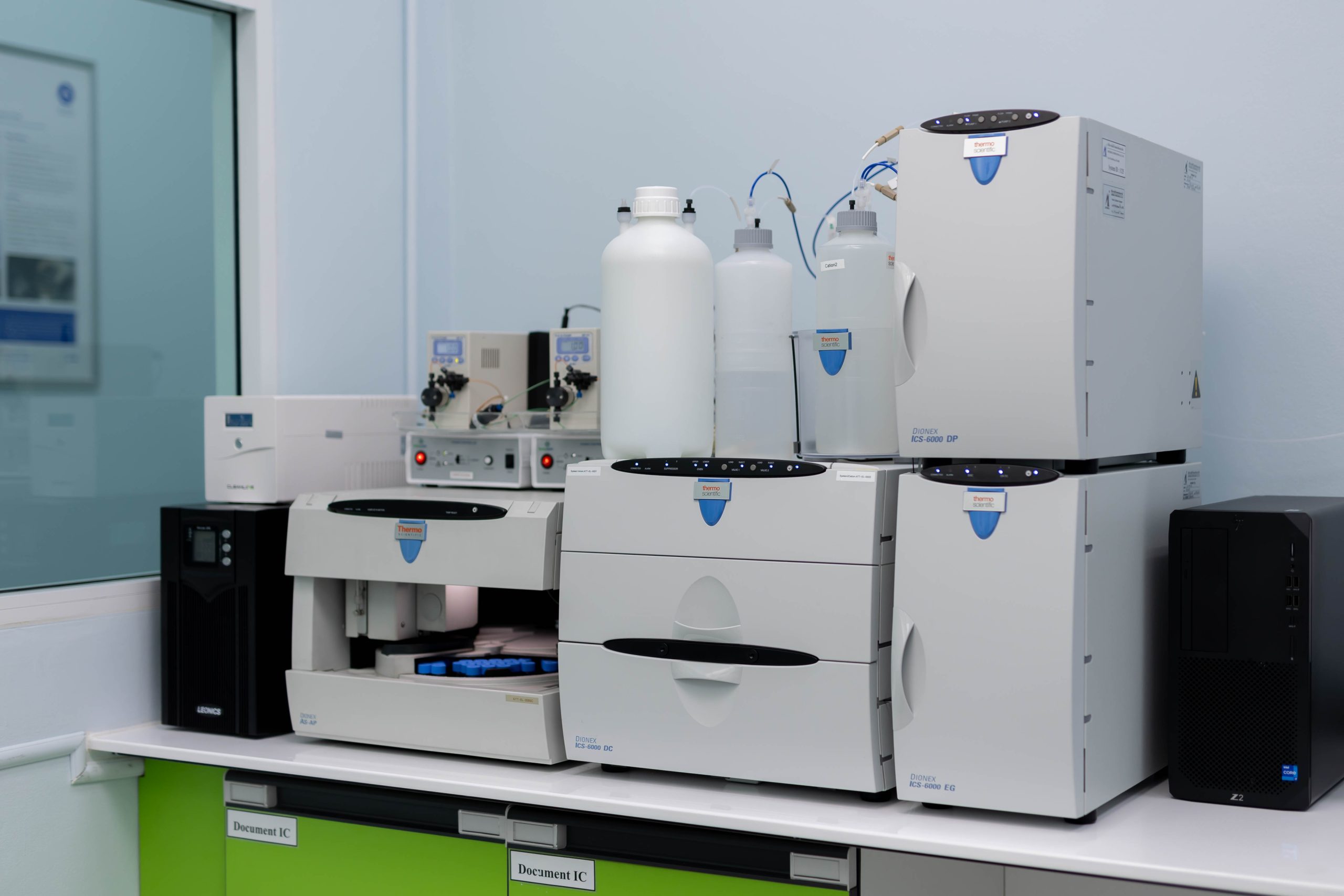
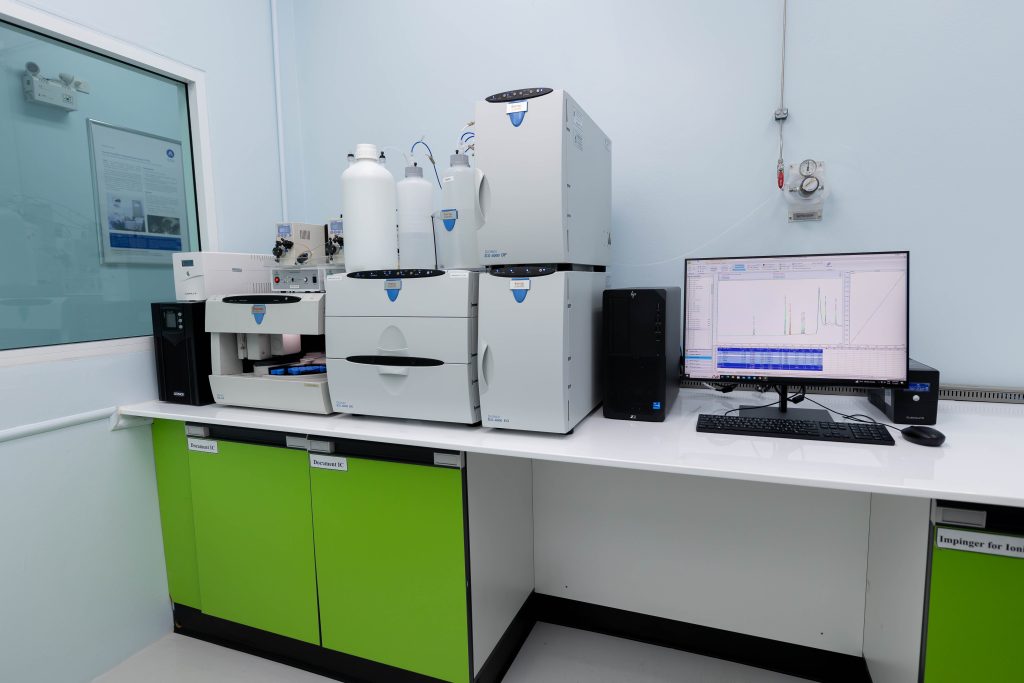
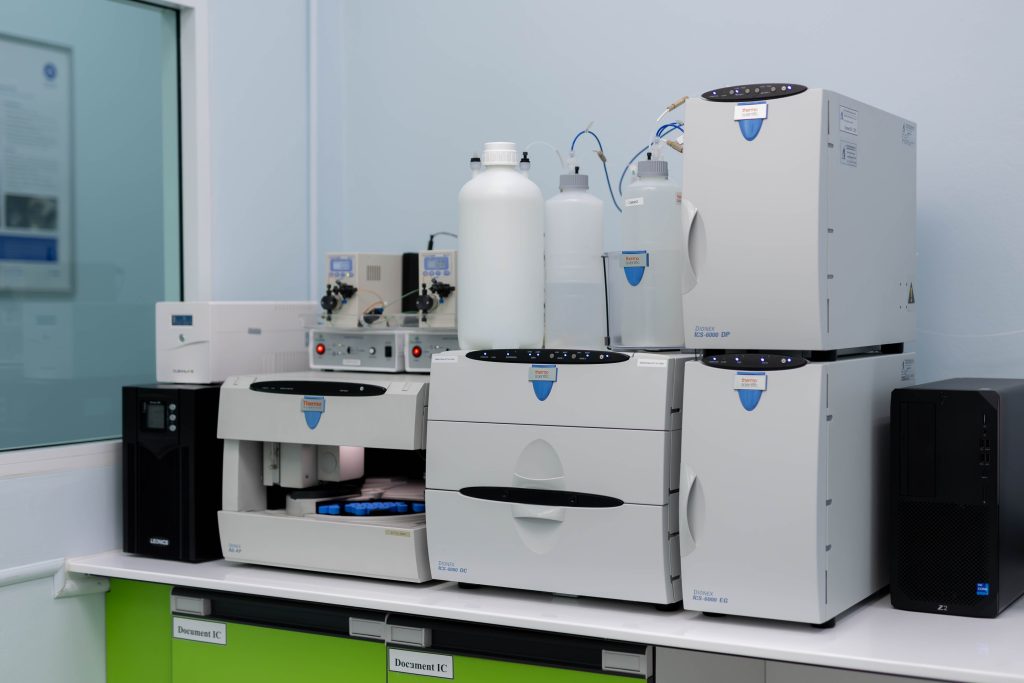
Ionic Cleanliness Testing (IC / ROSE)
Ionic Contamination (IC) testing and Resistivity of Solvent Extract (ROSE) testing measure the level of ionic contamination on a PCB surface — residues from flux, cleaning agents, or handling that can cause corrosion, current leakage, or dendritic growth over time.
Even trace ionic contamination can significantly shorten a PCB’s service life, particularly in high-humidity environments.
Advanced Instrumental Analysis: FT-IR & SEM/EDX
FT-IR (Fourier Transform Infrared Spectroscopy) Identifies organic compounds, polymer residues, contaminants, and coating materials on PCB surfaces. Ideal for pinpointing the chemical nature of unknown substances affecting board performance.
SEM/EDX (Scanning Electron Microscopy with Energy Dispersive X-ray Analysis) Delivers high-resolution surface imaging combined with precise elemental analysis — enabling detailed investigation of solder joint quality, surface contamination, corrosion mechanisms, and coating integrity at the microscale.
IPC-TM-650 Test Methods
A comprehensive set of standardized test procedures covering mechanical, chemical, electrical, and environmental properties of PCB materials and assemblies — the industry’s definitive testing reference.
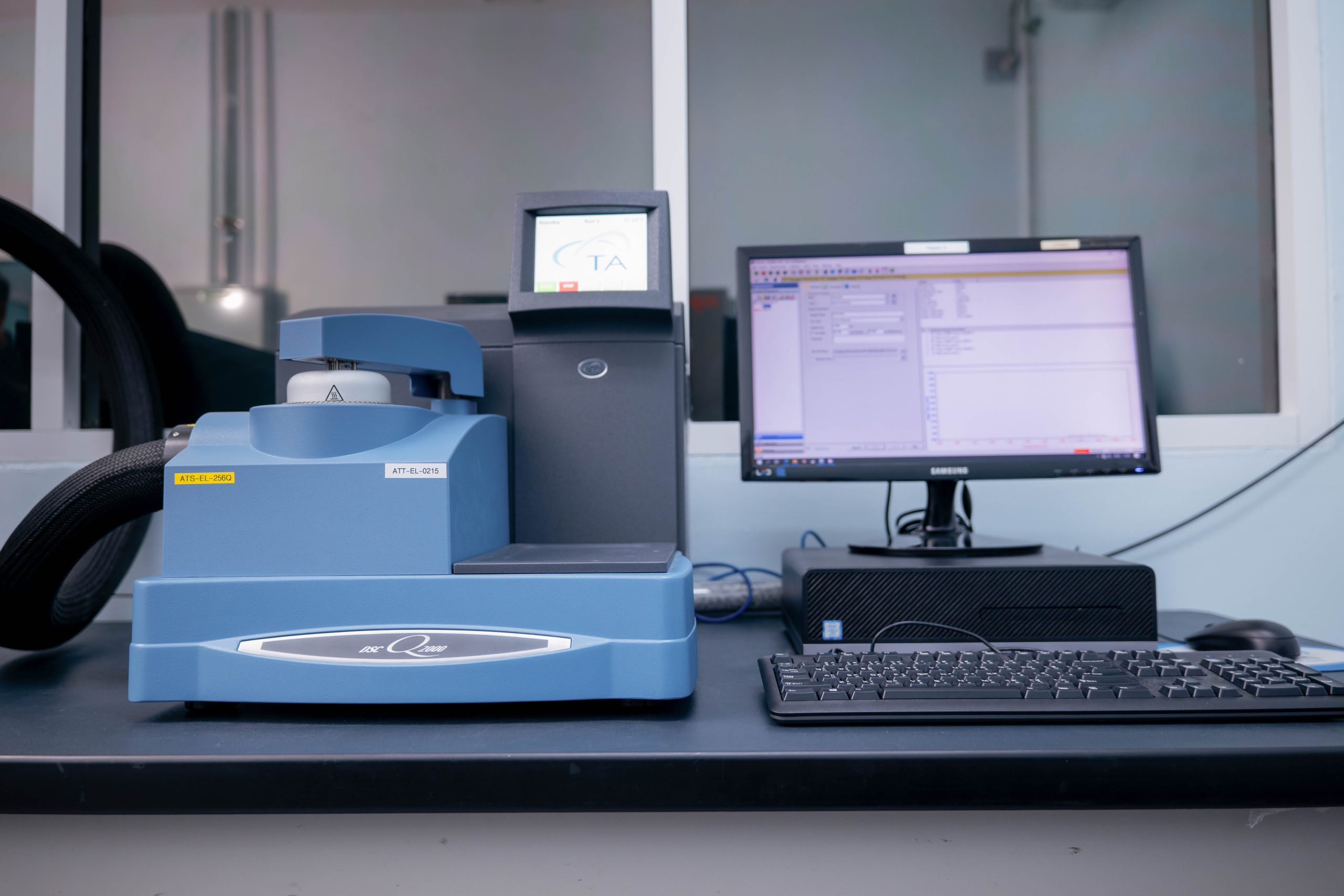
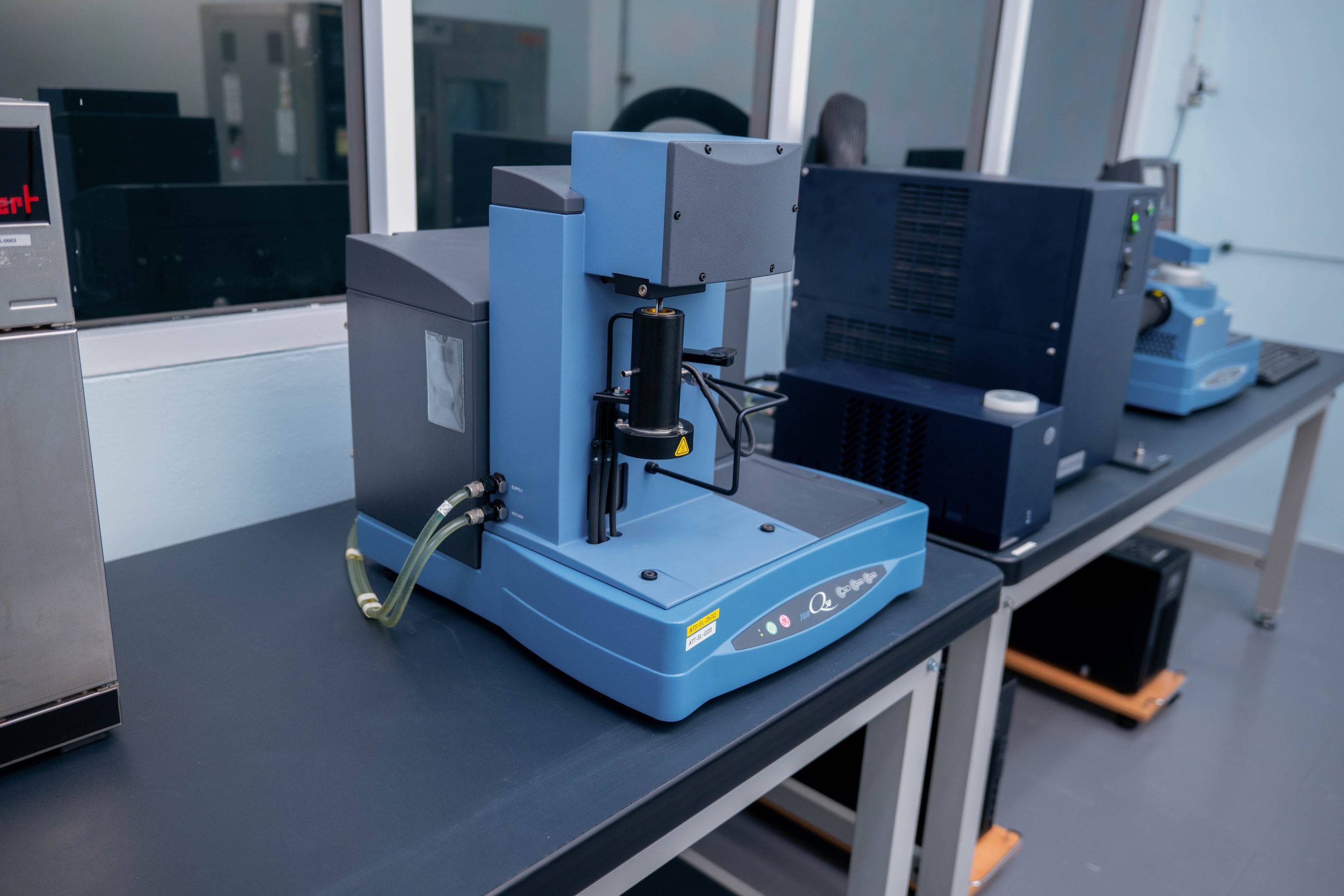
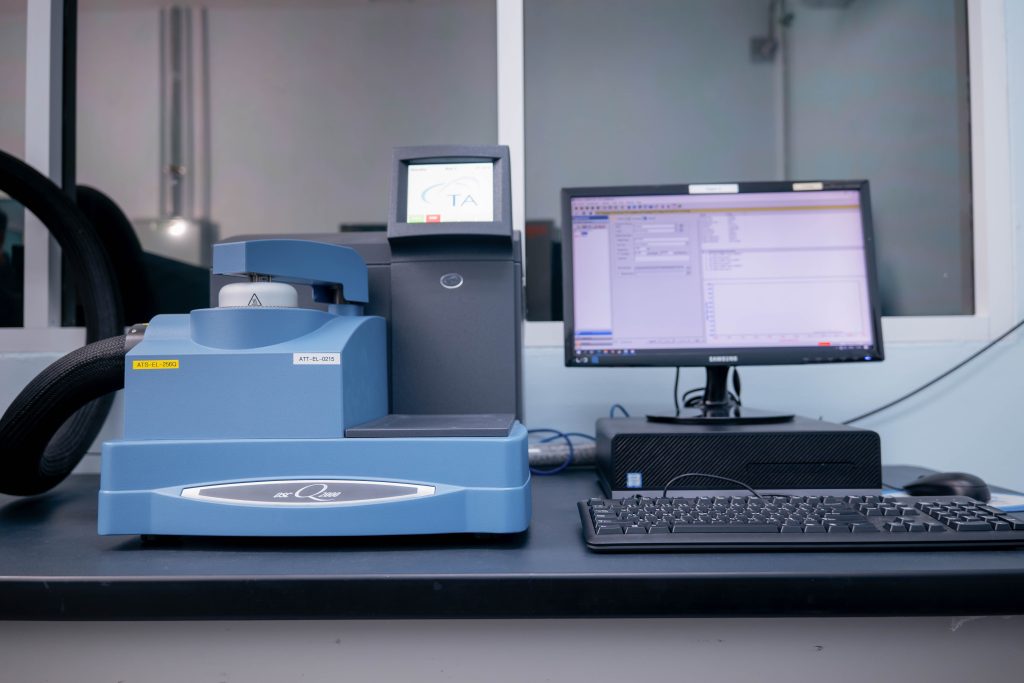
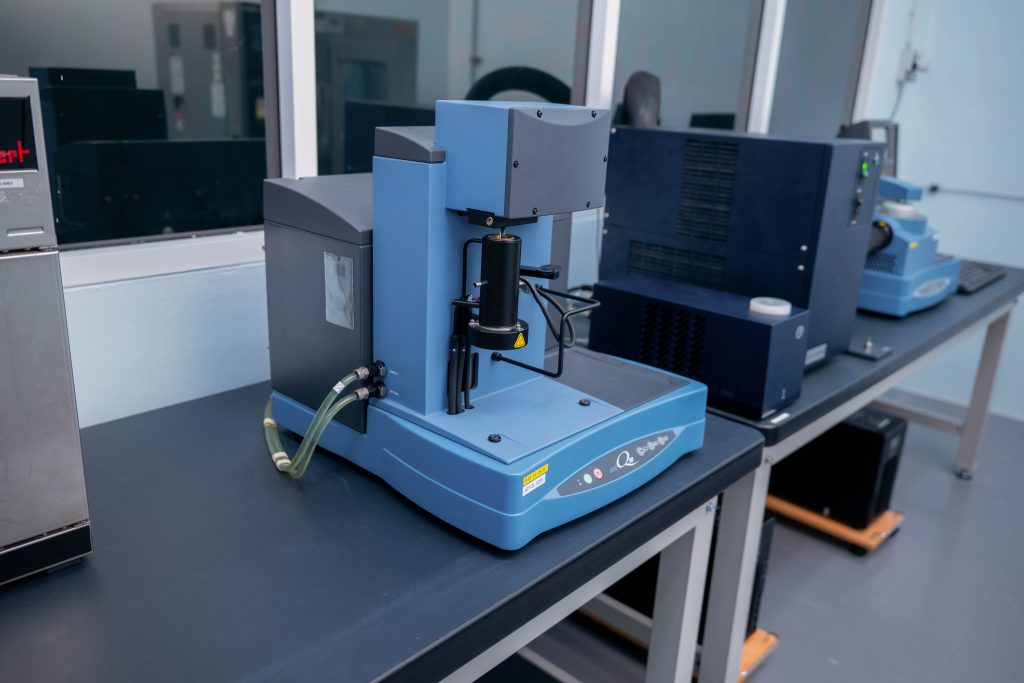
️ Thermal Analysis: DSC & TGA
DSC (Differential Scanning Calorimetry) Measures thermal properties such as glass transition temperature (Tg), melting point, and cure state of PCB laminates — critical data for predicting how a board will behave at operating temperatures.
TGA (Thermogravimetric Analysis) Evaluates material stability and decomposition behavior under heat — essential for understanding the long-term thermal durability of PCB materials.
Cross-Section Analysis
One of the most revealing techniques in PCB failure investigation. Cross-sectioning exposes the internal structure of through-holes, vias, solder joints, and plating layers — allowing direct visual assessment of manufacturing quality and the root cause of failures that aren’t visible from the surface.
The ALS Advantage: Experience You Can Rely On
ALS Testing has been delivering PCB quality testing for many years, building deep expertise across a wide range of board types, standards, and failure scenarios.
When a problem is detected, our team doesn’t just report a result — we help you understand it. From evaluating overall board quality to conducting thorough failure analysis, ALS provides the scientific insight and technical guidance needed to resolve issues efficiently and prevent them from recurring.
Summary: Build Boards You Can Trust
PCB testing is one of the highest-return investments in electronics manufacturing. It protects your product quality, reduces costs, ensures regulatory compliance, and — most importantly — ensures that the products you put into the world work reliably for the people who depend on them.
Whether you’re qualifying new materials, investigating a field failure, or implementing ongoing quality control, ALS Testing has the accreditation, the instruments, and the expertise to deliver results you can act on.
ALS Testing Services (Thailand) Co., Ltd. Advanced chemical analysis and materials testing
— powered by modern technology and specialist expertise.
Tel: +(66) 2700 9665
Email: pathumthani@alsglobal.com
Let’s make sure your PCBs perform exactly as designed — every time. Reach out to our team today.


