

Salt Spray Testing for Metal Products

SEM-EDX: The Microscopic Eye That Reveals What Your Materials Are Really Made Of
May 13, 2026
Material Testing: The Foundation of Industrial Excellence
May 13, 2026Salt Spray Testing for Metal Products
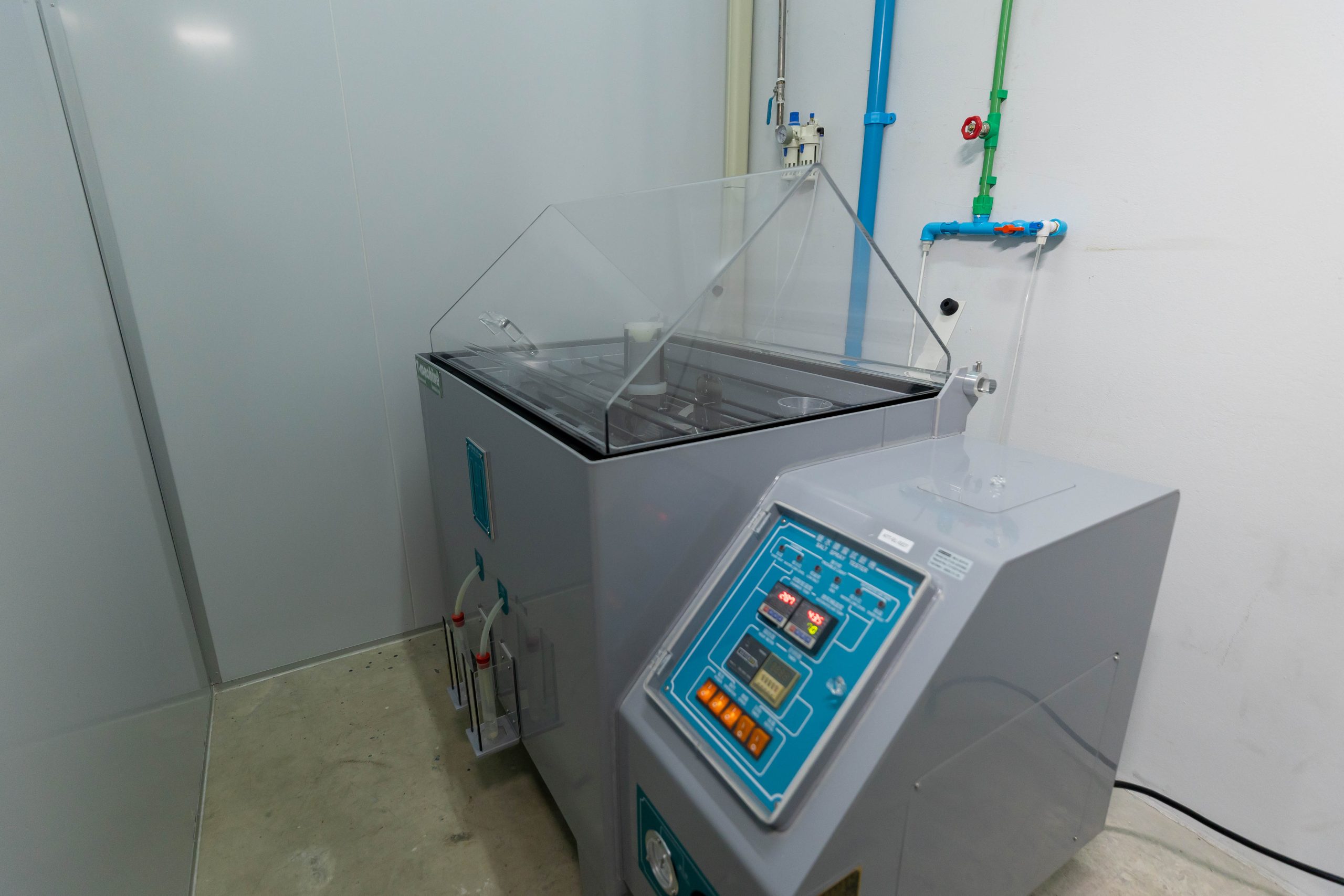
Salt Spray Test: The Quality Check Your Metal Products Can’t Afford to Skip
What Is a Salt Spray Test?
Picture this: instead of waiting years to find out whether your metal product will rust in the real world, you get a reliable answer in a matter of hours. That’s the power of the Salt Spray Test.
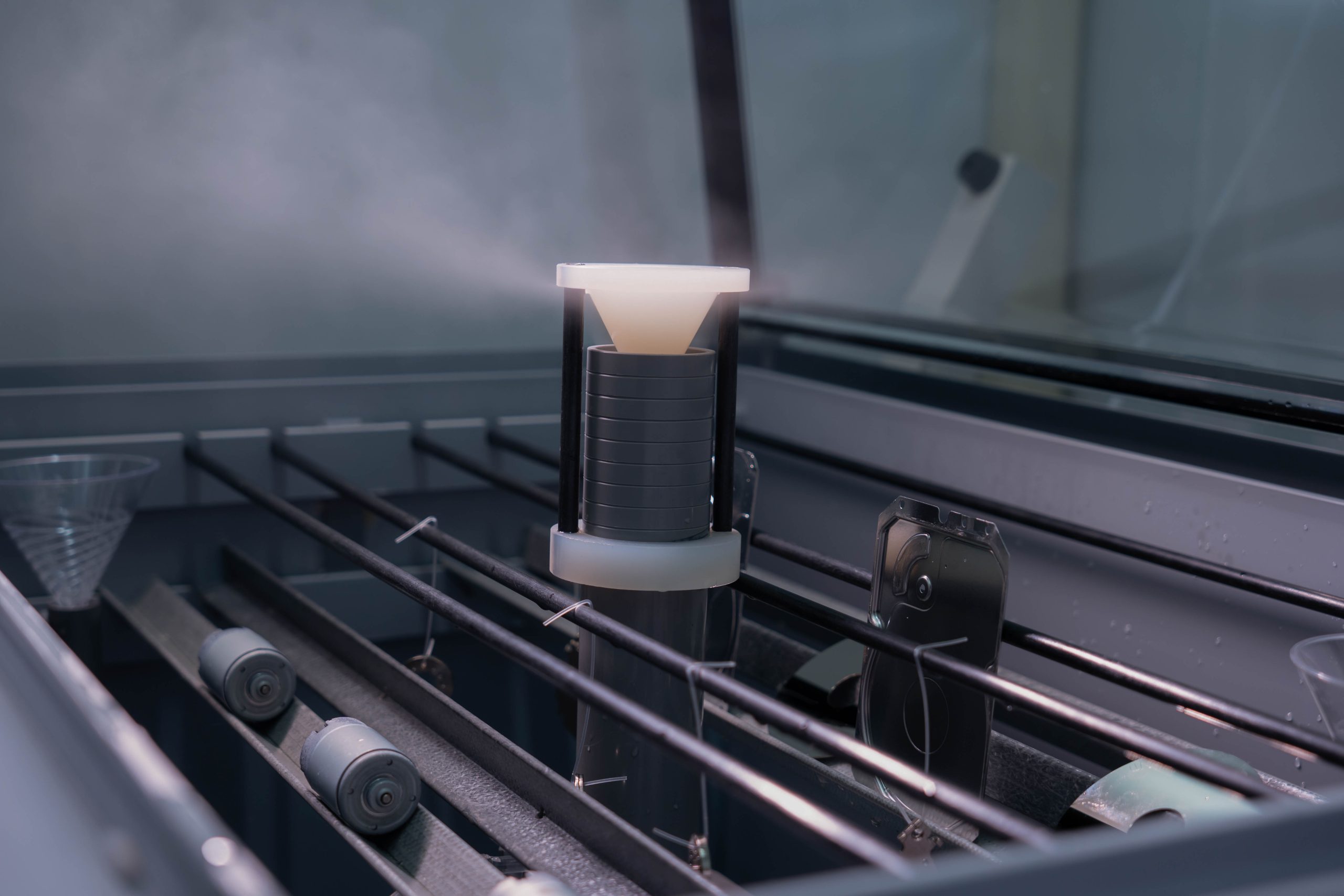
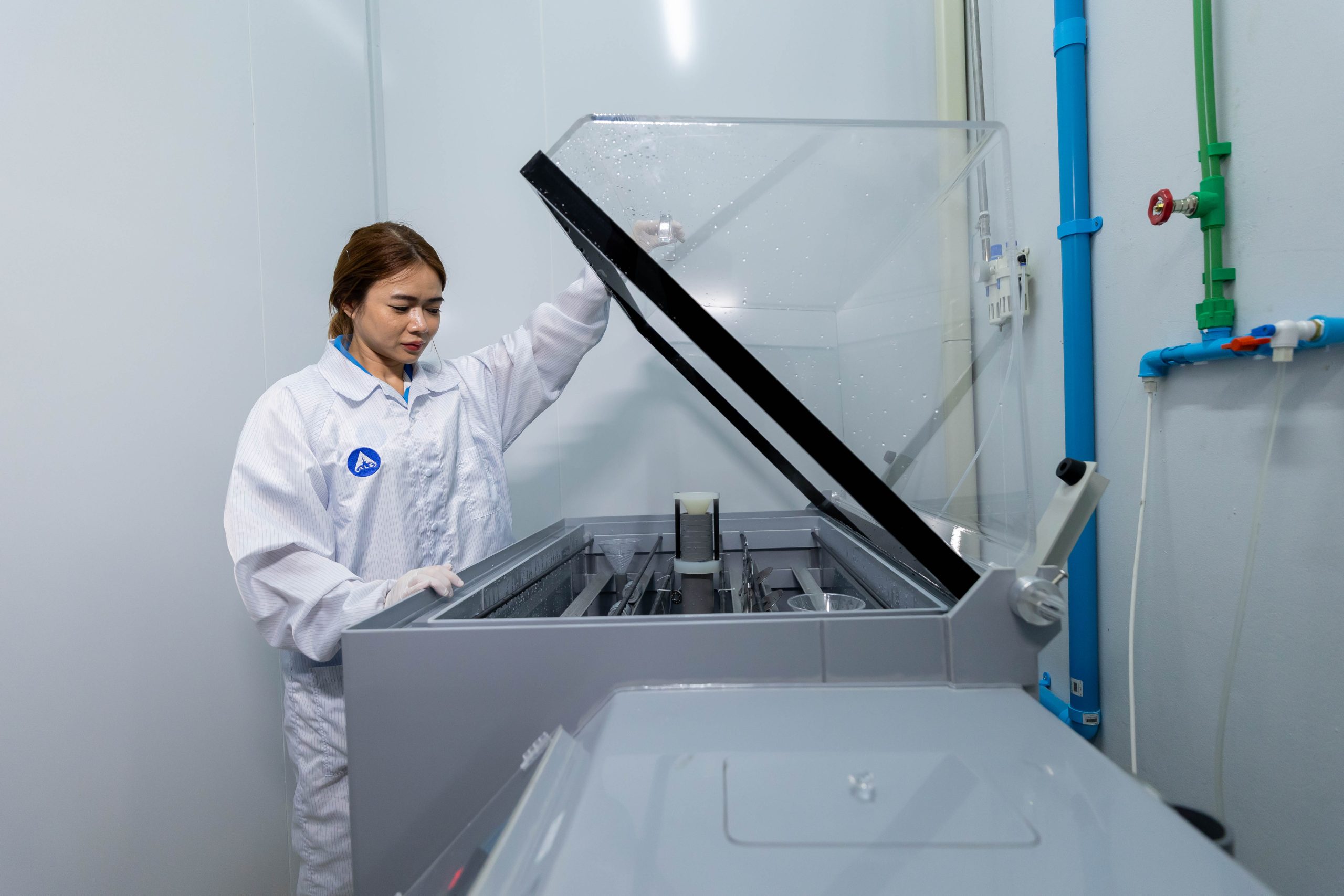
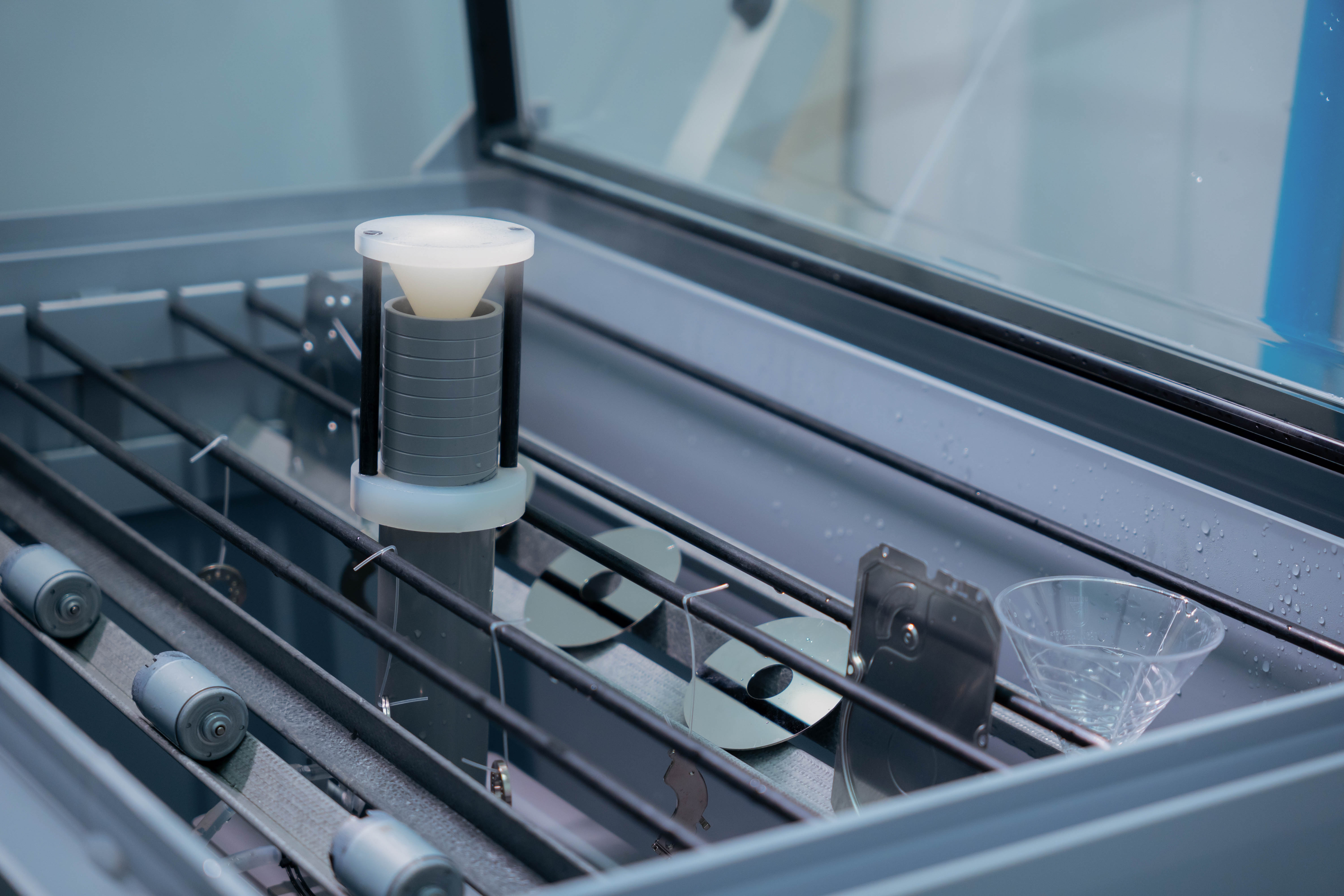
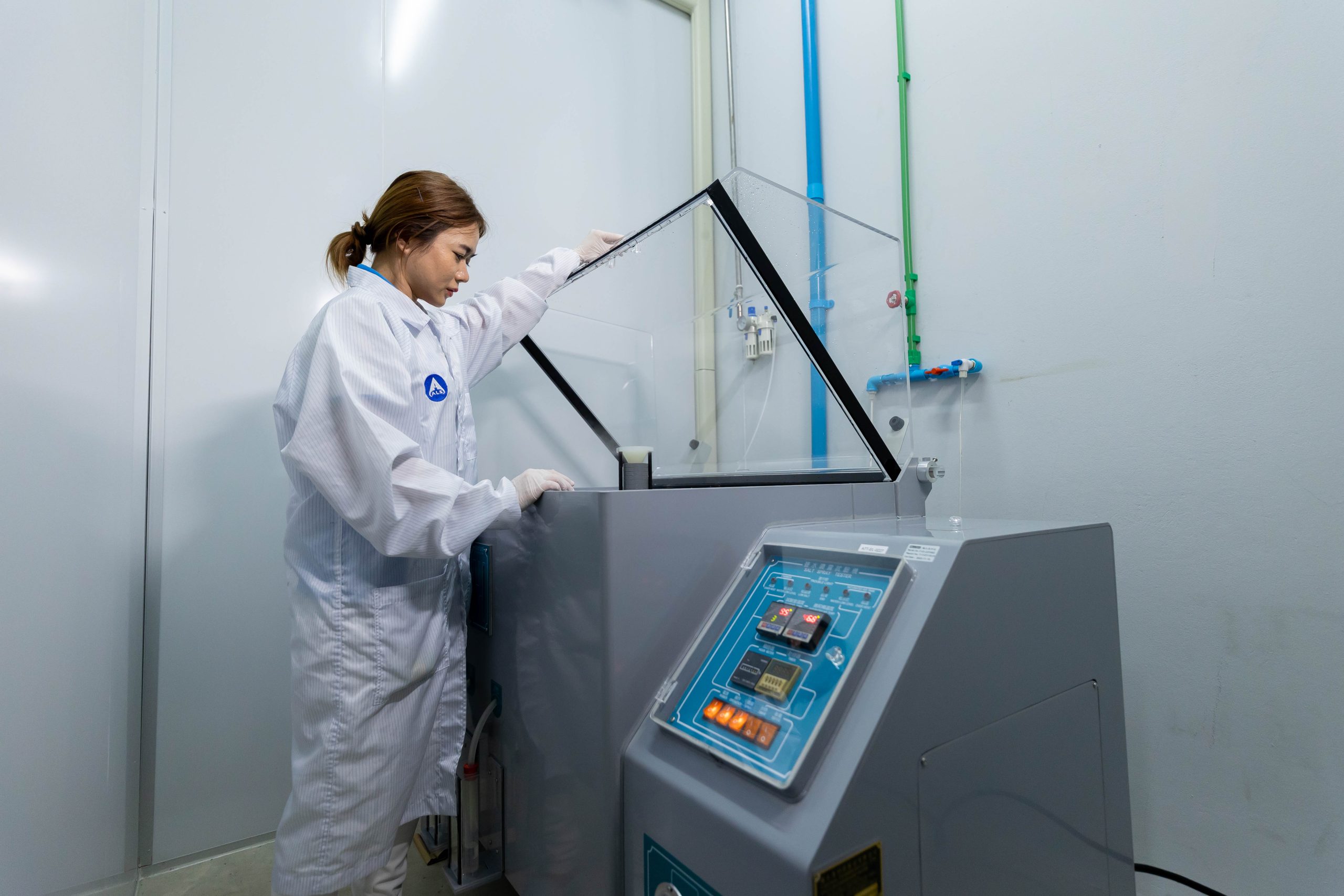
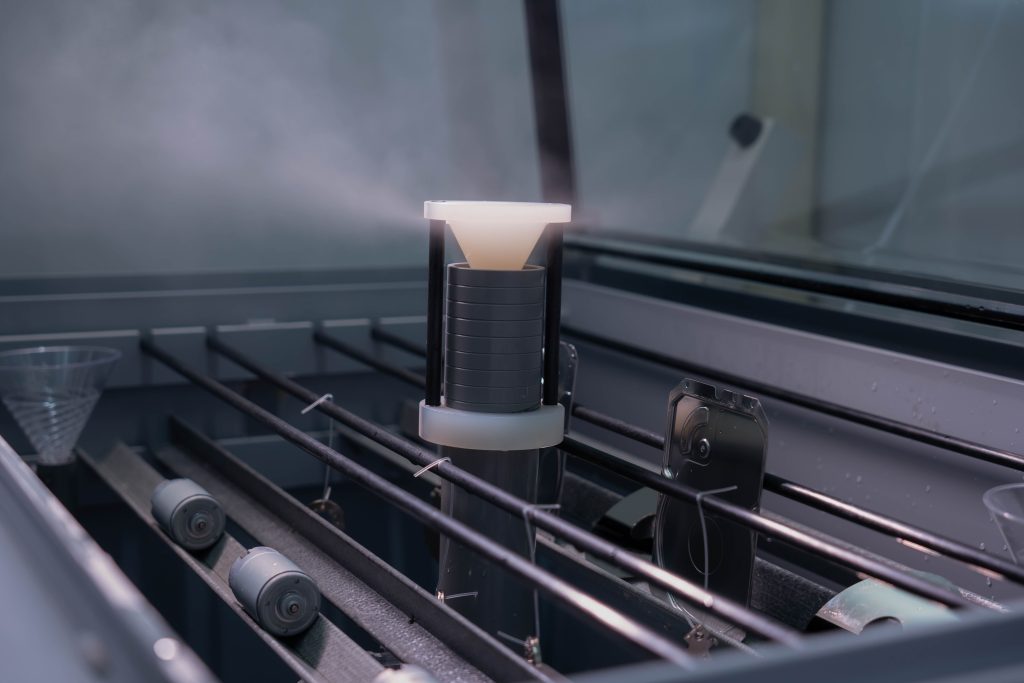
This internationally recognized standard method evaluates how well metals and surface coatings resist corrosion — and it’s a non-negotiable quality checkpoint for products like fasteners, automotive components, and structural engineering materials. By recreating a highly concentrated salt fog environment inside a controlled test chamber, the test artificially accelerates the corrosion process — delivering in hours what nature would take months or years to produce.
The result? A clear, data-backed prediction of how your product will hold up in the real world.
Why Metal Products Need This Test
Every metal — regardless of how well it’s manufactured — is vulnerable to rust and degradation when exposed to moisture and corrosive agents. This is especially relevant in Thailand, where a hot, humid climate and extensive coastal regions mean that salt-laden air is a daily reality for many products.
And rust isn’t just a cosmetic problem. Corrosion attacks the core mechanical properties that make metal products reliable:
- ️ Structural strength
- Tensile resistance
- ️ Impact durability
- ⏳ Overall service life
That’s why global standards bodies — ISO, ASTM, and JIS — have established strict Salt Spray Test requirements. Failing to meet these benchmarks doesn’t just mean a lower-quality product. It means market rejection, failed certifications, and significant financial consequences.
How the Test Works: A Step-by-Step Breakdown
The Salt Spray Test follows a precise, systematic process designed to ensure consistent and reliable results:
Step 1: Sample Preparation
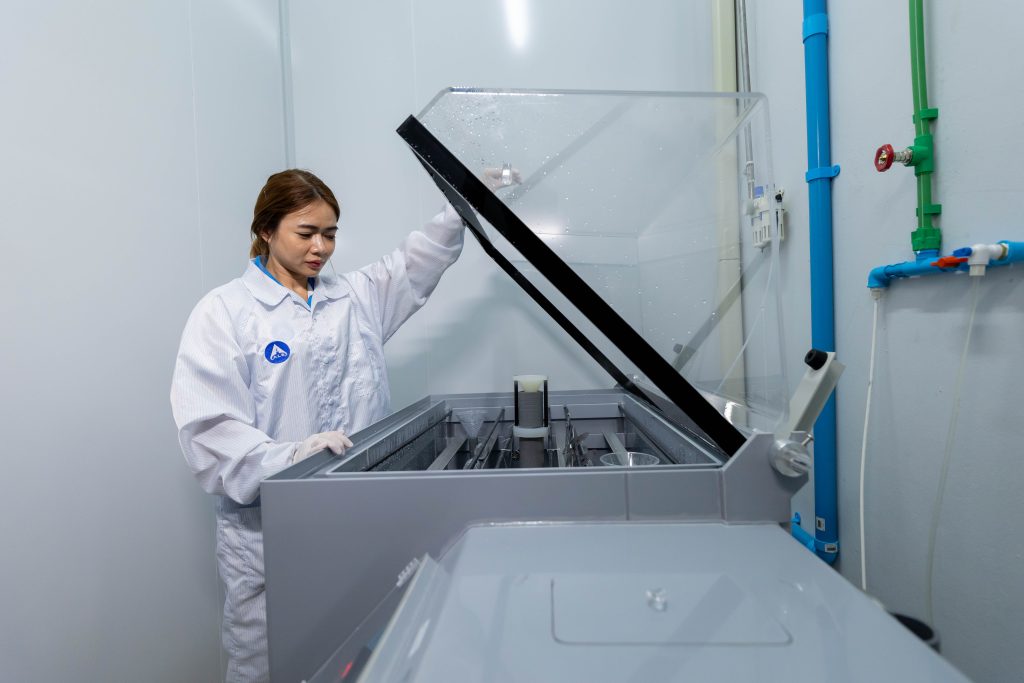
Metal specimens are thoroughly cleaned per ISO 8407 to remove any contaminants that could skew results. They’re then carefully positioned inside the Salt Spray Chamber at the correct angle for uniform exposure.
⚙️ Step 2: Controlled Test Conditions
The chamber maintains tightly regulated parameters throughout the test:
- NaCl concentration: 5% ± 0.5%
- Temperature: 35°C ± 2°C
- pH level: 6.5 – 7.2
These conditions create a standardized corrosive environment that is repeatable and comparable across laboratories worldwide.
⏱️ Step 3: Test Duration by Standard
Test duration depends on the product’s intended application and the applicable international standard:
Table
| Duration | Standard | Application |
|---|---|---|
| 48 hours | ISO 9227 | General consumer products |
| 96 hours | ASTM B117 | Industrial-grade components |
| 240+ hours | JIS Z 2371 | Harsh environment, high-durability products |
Step 4: Evaluation and Analysis
Once the test concludes, every specimen is assessed against strict criteria:
- Rust coverage — must not exceed the allowable threshold
- Coating adhesion — no peeling, blistering, or delamination permitted
- Remaining coating thickness — must not fall below the minimum requirement
- Post-test mechanical properties — strength and durability must be retained

What Happens When Products Fail the Test?
In today’s export-driven manufacturing landscape, failing a Salt Spray Test carries consequences that go far beyond a rejected sample:
❌ Lost Certifications
Products that fail cannot obtain international quality certification — locking them out of markets with strict quality requirements.
Entire Shipments Rejected
Real-world cases from metal parts exporters show that non-compliant products can lead to full-batch rejections — with manufacturers bearing the cost of return shipping on top of lost revenue.
Long-Term Reputation Damage
A track record of delivering below-standard products erodes client trust — and trust, once lost, is difficult to rebuild. Future business opportunities quietly disappear.
Expensive Rework and Delays
Reworking rejected products means additional raw material costs, extra production time, and delayed delivery schedules — a compounding financial drain that hits your bottom line hard.
Choosing the Right Testing Partner
Not all test results are created equal. The credibility of your Salt Spray Test depends heavily on the laboratory conducting it. Here’s what to look for — and why ALS Testing delivers on every count:
Why ALS Testing?
ALS Testing is an ISO/IEC 17025 accredited laboratory — the international gold standard for testing and calibration facilities. Our Salt Spray testing services are purpose-built for the metals industry, offering:
Table
| What We Offer | What It Means for You |
|---|---|
| High-precision instruments | Regularly calibrated equipment ensures consistent, reliable results every time |
| 20+ years of expertise | Scientists and engineers with deep, hands-on knowledge of metals and corrosion |
| Internationally recognized reports | Test certificates accepted by global buyers, auditors, and regulatory bodies |
| Technical consultation | Expert guidance on how to improve your product based on test findings |
The Bottom Line
The Salt Spray Test isn’t just a bureaucratic checkbox — it’s a strategic safeguard for your product quality, your export credentials, and your business reputation.
In a competitive global market, partnering with an accredited, trusted laboratory like ALS Testing gives you the confidence that your products are built to last — and the certified proof to back it up.
Don’t wait for the market to find your product’s weaknesses. Find them first.
Contact ALS Testing today to schedule your Salt Spray Test and take the next step toward internationally certified quality.


